

Applied Behavior Analysis (ABA) therapy has become a widely recognized and effective approach for supporting children with developmental challenges. Despite its increasing popularity and proven results, ABA therapy is often surrounded by misconceptions. Whether you’re a parent exploring options or a caregiver researching treatments, it’s crucial to separate fact from fiction. In this article, we’ll debunk seven common myths and reveal the truth about ABA therapy in Utah, helping you make informed decisions for your child’s growth and development.
Myth 1: ABA Therapy Is Only for Severe Cases
Reality: One of the most common misunderstandings about ABA therapy is that it’s only suitable for children with extreme behavioral difficulties. In truth, ABA therapy is highly adaptable and beneficial for individuals with a wide range of developmental needs. Whether a child struggles with basic communication, social interactions, or daily routines, ABA therapy offers structured strategies to support development.
In Utah, families seek ABA services not just for high-need cases, but also for children who benefit from extra support in learning new skills, improving focus, and building independence. ABA therapy in Utah continues to grow as more families recognize its versatility and potential.
Myth 2: ABA Therapy Is Rigid and Robotic
Reality: Critics often claim that ABA therapy uses rigid procedures, turning children into “robots” who only follow commands. While early forms of ABA therapy decades ago may have been more structured, modern practices are far more naturalistic and individualized.
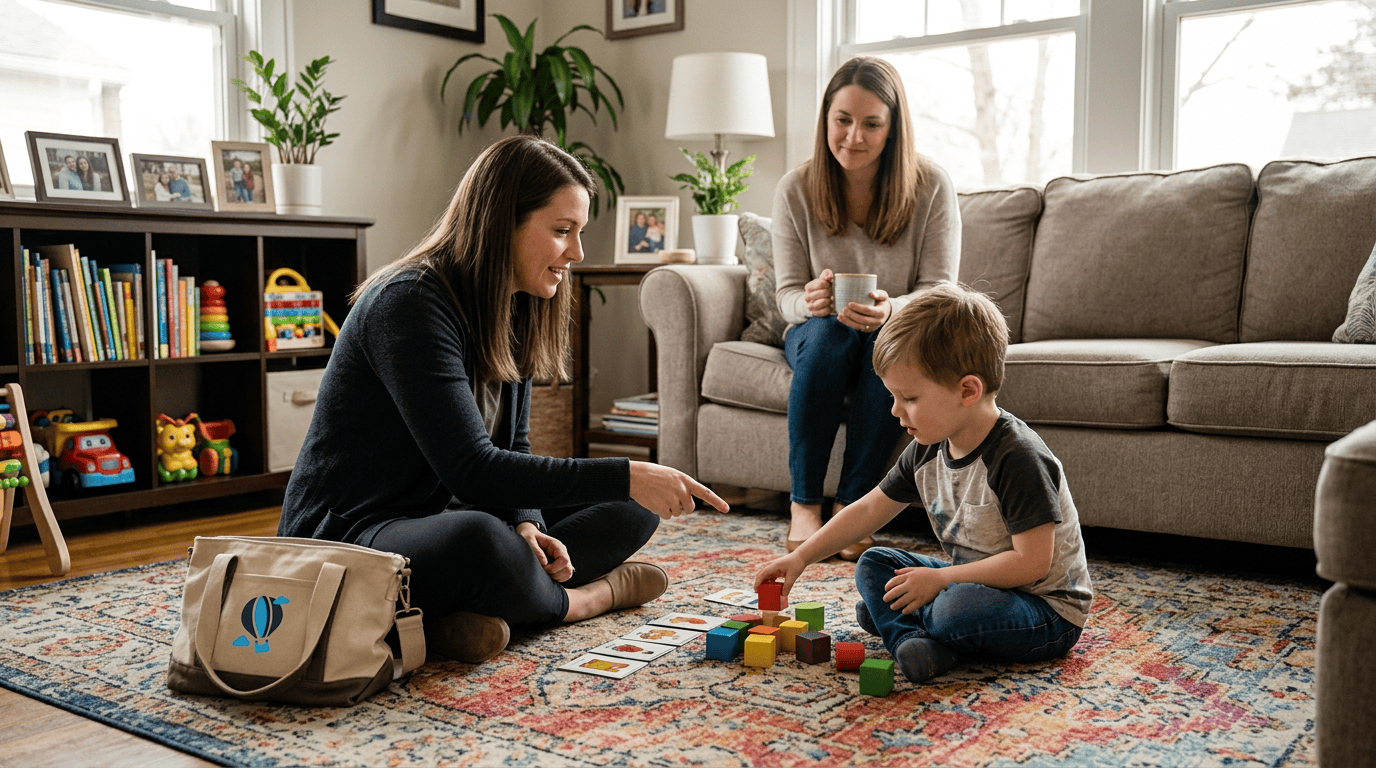
Today’s ABA therapists in Utah use a child-centered approach that focuses on motivation, play, and natural learning environments. Therapy sessions are engaging, interactive, and personalized based on each child’s unique interests and needs. The goal isn’t mechanical behavior—it’s meaningful growth that generalizes to real-world situations.
Myth 3: ABA Is All About Punishment
Reality: A persistent myth is that ABA therapy relies heavily on punishment to modify behavior. This couldn’t be further from the truth. In reality, ABA therapy emphasizes positive reinforcement—rewarding desired behaviors to encourage repetition. Punitive measures are avoided and only used under strict ethical guidelines, and even then, only when absolutely necessary and safe.
Parents seeking ABA therapy in Utah will find that the best providers focus on nurturing positive behaviors, empowering children to make good choices through consistent encouragement and support.
Myth 4: ABA Therapy Ignores Emotions and Relationships
Reality: Some believe that ABA therapy solely targets behavior without considering emotional well-being or personal connections. However, modern ABA practices recognize the importance of emotional health, trust, and therapeutic rapport.
A skilled ABA therapist doesn’t just track behavior—they build relationships. They observe how emotions impact learning and incorporate that understanding into therapy. In top ABA services near me, including those in Utah, emotional regulation, trust, and empathy are essential components of a successful treatment plan.
Myth 5: All ABA Therapists Are the Same
Reality: The quality of ABA therapy can vary greatly depending on the therapist’s training, experience, and approach. Just like with any other profession, not all providers are equal. Families in Utah have access to a wide range of ABA therapy options, and it’s crucial to choose a provider whose philosophy and methods align with your child’s needs.
A professional, compassionate team makes a significant difference. Leading ABA therapists in Utah not only have certification and clinical expertise but also demonstrate empathy, creativity, and a deep commitment to each child’s progress.
Myth 6: ABA Therapy Delivers Quick Fixes
Reality: ABA therapy is not a quick solution. It’s a long-term, evidence-based process focused on steady and sustainable improvement. While some children may show progress within weeks, most require months or even years of consistent therapy to achieve lasting results.
Families seeking ABA therapy in Utah should be prepared for a journey of gradual milestones. The most successful outcomes come from ongoing collaboration between therapists, parents, and educators, all working toward shared developmental goals.
Myth 7: ABA Therapy Replaces Parenting or School Support
Reality: ABA therapy is not a replacement for parenting, school education, or other forms of support—it’s a supplement. ABA therapists work closely with families and educators to create consistency across settings, which is vital for lasting change.

By partnering with parents, ABA professionals ensure that strategies learned during sessions are applied at home and in the classroom. In Utah, many ABA programs even offer parent training and school consultation, bridging the gap between therapy and everyday life.
What to Look for in Quality ABA Therapy in Utah
As ABA therapy continues to expand in Utah, it’s important to choose providers who are transparent, ethical, and committed to best practices. Here’s what to look for when evaluating ABA services:
- Credentialed Staff: Look for Board Certified Behavior Analysts (BCBAs) and trained Registered Behavior Technicians (RBTs).
- Individualized Plans: Each child should receive a custom treatment plan based on their strengths, needs, and goals.
- Parental Involvement: The best ABA therapy programs actively involve families in goal-setting, progress tracking, and ongoing learning.
- Ongoing Assessment: Progress should be measured regularly and adjustments made based on data and observations.
- Collaborative Culture: Effective programs prioritize teamwork among therapists, families, and educators.
Why Families in Utah Are Turning to ABA Therapy
Utah is home to a growing network of ABA providers who are making a positive difference in children’s lives. From large cities to smaller communities, ABA therapy in Utah is helping children improve communication, reduce challenging behaviors, and build essential life skills.
Families searching for ABA services near me often choose ABA because it’s a flexible, individualized, and research-backed approach. With the right team, ABA therapy becomes more than just a treatment—it becomes a pathway to confidence, independence, and success.
About Us: EverReach ABA
Great therapy happens when strong relationships are at its heart. Our dedicated staff makes sure every client is supported and making progress. Together, we navigate challenges and celebrate achievements.
At EverReach ABA, we’re about people, not just the data and numbers. Our focus is to create an environment based on open communication, where families and staff are heard and happy. When we’re all reaching together for the same goals, real growth can happen.
We serve families throughout Utah with a commitment to excellence, compassion, and transparency. Whether you’re just beginning your search or looking for new support, our team at EverReach ABA is here to guide you every step of the way.
Conclusion: Knowing the Truth Empowers Families
Believing myths about ABA therapy can prevent families from accessing a life-changing service. The truth is, ABA therapy in Utah offers a compassionate, personalized, and evidence-based path to progress. By understanding what ABA really is—and isn’t—parents and caregivers can confidently explore this option with clarity and confidence.
If you’re ready to learn more or start your journey with ABA, don’t let outdated myths hold you back. Reach out to qualified professionals, ask questions, and find the right support system that aligns with your child’s needs and your family’s goals.
FAQs
What is ABA therapy, and how does it work?
ABA (Applied Behavior Analysis) therapy is a scientific, evidence-based approach that helps individuals learn positive behaviors and reduce those that may interfere with daily life. It uses techniques such as reinforcement, prompting, and skill-building tailored to each person’s needs. If you’re looking for support in your area, ABA therapy in Utah is widely available through reputable service providers.
Is ABA therapy only used for children with extreme behavioral issues?
No. This is a common myth. ABA therapy supports individuals with a wide range of developmental and behavioral needs. It’s used to improve communication, social skills, daily living tasks, and more. Many families in Utah benefit from ABA therapy regardless of the severity of their child’s challenges.
How is modern ABA therapy different from the early methods?
Modern ABA therapy is more naturalistic and child-centered than earlier models. It emphasizes motivation, positive reinforcement, and learning in real-life contexts. ABA therapists in Utah now use techniques that are interactive, compassionate, and focused on long-term success in everyday environments.
Does ABA therapy use punishment as part of its process?
No, today’s ABA therapy primarily relies on positive reinforcement to encourage desired behaviors. Punishment-based approaches are rarely used and only under strict ethical guidelines. Families searching for ABA therapy in Utah can expect programs that focus on building up skills through encouragement and consistent support.
Can ABA therapy replace parenting or school education?
ABA therapy is designed to support, not replace, parenting or education. Therapists work closely with families and teachers to ensure strategies are consistent across home and school environments. Quality ABA services near me often include parent training and collaboration with educational professionals to maximize impact.
How do I know if an ABA provider in Utah is reputable?
Look for licensed professionals such as Board Certified Behavior Analysts (BCBAs) and trained Registered Behavior Technicians (RBTs). Reputable providers of ABA therapy in Utah offer individualized treatment plans, involve families in the process, and regularly assess and adjust strategies based on progress.
How long does it take to see progress with ABA therapy?
ABA therapy is not a quick fix. Some children show progress within weeks, while others may take months or even years. Consistency and collaboration are key. The best outcomes from ABA therapy Utah programs come from long-term commitment and strong communication between families and therapists.





 Website by
