

Applied Behavior Analysis (ABA) therapy has emerged as one of the most effective approaches for supporting individuals with developmental challenges. Across the country, families are turning to ABA therapy to enhance communication, behavior management, and social skills in their loved ones. In particular, ABA therapy in North Carolina has seen rapid innovation, making it more accessible, person-centered, and effective than ever before.
In this article, we will uncover the latest techniques shaping ABA therapy today, including data-driven insights, play-based methods, technology integration, and family-centered practices. These innovative approaches are not only transforming outcomes but also ensuring more compassionate and inclusive care for individuals and their families.
Understanding the Foundations of ABA Therapy
Before diving into new approaches, it’s important to understand the foundation of ABA therapy. ABA is based on principles of behavior science, focusing on how behavior works and how learning takes place. Through consistent observation, data collection, and reinforcement strategies, therapists work with clients to build positive behaviors and reduce those that interfere with development or learning.
Traditionally, ABA therapy involves structured programs broken down into smaller, manageable tasks. The therapist evaluates a client’s needs, designs a personalized treatment plan, and uses reinforcement to teach new skills or behaviors. This method has helped countless individuals develop meaningful life skills over time.
Innovative ABA Therapy Approaches Making a Difference
As ABA continues to evolve, several new methodologies and delivery models have been integrated into practice, especially in regions like North Carolina. These advancements reflect a broader understanding of what makes therapy not only effective but enjoyable and empowering for those receiving it.
1. Naturalistic Teaching and Play-Based Learning
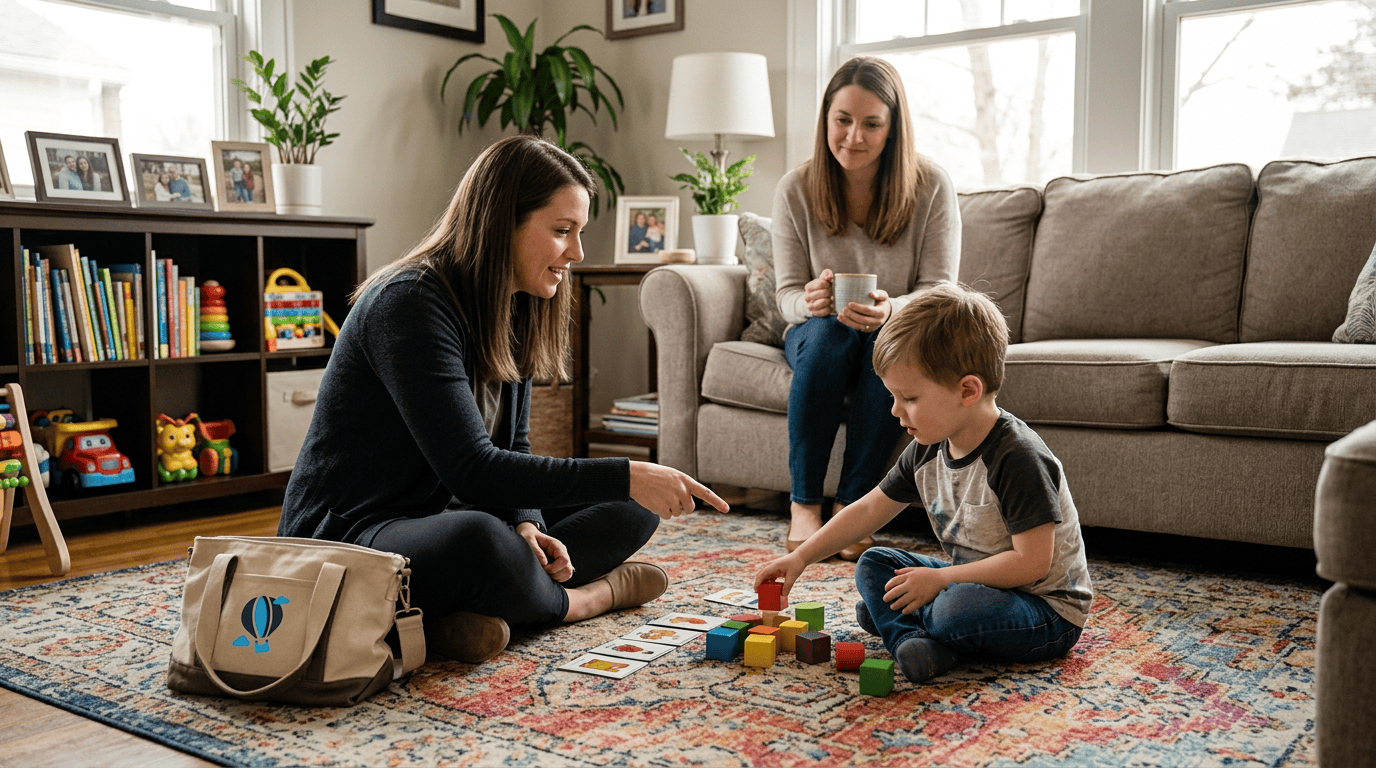
One of the biggest shifts in modern ABA therapy is the move toward naturalistic teaching methods. Instead of relying solely on structured table-top activities, therapists are now incorporating everyday environments and play scenarios into sessions.
In ABA therapy in North Carolina, naturalistic teaching is increasingly popular for its ability to generalize skills to real-world settings. For example, therapists may use a child’s favorite toys to encourage communication, turn-taking, or requesting behaviors. This approach keeps the individual engaged and helps the learned skills stick over time.
2. Technology Integration and Virtual Support
Technology is playing a growing role in ABA therapy. From electronic data collection to virtual consultations, the use of digital tools allows for more efficient tracking, communication, and collaboration.
Telehealth sessions are now widely available, particularly beneficial for families in remote parts of the state. While not a complete replacement for in-person therapy, virtual support extends reach and provides families with greater flexibility. Parents seeking ABA therapy in North Carolina are increasingly benefiting from hybrid therapy models that include both face-to-face and virtual components.
Moreover, therapists are now using apps and digital programs to engage clients in learning. These tools can gamify the experience, helping individuals stay motivated while working on communication, behavior regulation, or academic skills.
3. Emphasis on Collaboration and Family Involvement
Another major innovation in ABA therapy is the growing emphasis on family collaboration. Therapy is no longer limited to therapist-client sessions. Parents, caregivers, and even teachers are now active participants in the process.
Many ABA therapists in North Carolina encourage regular caregiver training and family meetings to ensure that progress continues outside of therapy hours. Parents are coached on how to respond to challenging behaviors, support learning at home, and reinforce therapy goals.
This team-based approach leads to better generalization of skills, increased confidence for caregivers, and a more cohesive support system for the individual receiving therapy.
4. Community-Based ABA Services
Delivering therapy in community settings such as schools, parks, or home environments is another innovative model that has gained traction. Community-based services make therapy more relevant and contextual, helping clients learn how to behave in social settings they encounter daily.
Rather than relying solely on clinic-based environments, providers across the state are now tailoring services to the individual’s natural routines. This personalized support makes ABA more impactful, especially for individuals who benefit from learning in the environments where they live and play.
5. Culturally Responsive ABA Practices
As North Carolina grows increasingly diverse, ABA providers are adapting their services to meet cultural, linguistic, and individual differences among clients. This includes incorporating culturally relevant examples in programming, employing bilingual therapists, and respecting family values and traditions during treatment planning.
ABA therapy in North Carolina now includes greater emphasis on equity and inclusion, ensuring that every family, regardless of background, feels understood and supported. Culturally responsive practices help build trust between families and therapists, ultimately resulting in better outcomes.
Custom-Tailored Treatment Plans
Modern ABA therapy no longer fits into a one-size-fits-all box. Every individual is unique, and their therapy should reflect that.
Therapists are now designing dynamic treatment plans that adjust as progress is made. They frequently review data and make real-time changes to reinforce successful strategies or address new challenges. Some plans may emphasize language development, while others might focus more on behavior management, academic readiness, or daily living skills.
Many families looking for aba services near me are finding that flexible, adaptive therapy is key to seeing consistent growth. This personalization ensures that therapy remains meaningful and aligned with long-term developmental goals.

Making ABA Accessible and Affordable
As the demand for ABA services grows, so does the conversation around accessibility and affordability. While the cost of therapy can be significant, many providers in North Carolina are working to make care more attainable.
Insurance coverage for ABA therapy has improved, especially with mandates that require policies to include behavioral health services. Additionally, organizations are partnering with schools and government programs to reduce out-of-pocket costs for families.
Some families are still in search of affordable ABA therapy near me, and providers are responding by offering sliding-scale fees, grants, and financial assistance programs. These options aim to ensure that no family is left behind when it comes to quality support.
Training the Next Generation of ABA Professionals
To meet rising demand, there’s also a push to train and retain skilled ABA professionals. North Carolina is home to several universities and training centers that prepare individuals for certification and licensure in ABA.
Quality aba therapists in North Carolina are committed to lifelong learning, attending workshops, staying current with best practices, and receiving ongoing supervision. This dedication to excellence ensures families receive high-quality, evidence-based support that evolves with science.
The Future of ABA Therapy in North Carolina
The future of ABA therapy is bright, particularly in communities across North Carolina where innovation and compassion go hand in hand. As therapy becomes more naturalistic, inclusive, and family-centered, the outcomes for individuals are becoming more meaningful and sustainable.
From incorporating modern technology to empowering caregivers, today’s ABA therapy is more than a treatment — it’s a collaborative journey toward independence, growth, and connection.
About Us
Great therapy happens when strong relationships are at its heart. Our dedicated staff makes sure every client is supported and making progress. Together, we navigate challenges and celebrate achievements.
At EverReach ABA, we’re about people, not just the data and numbers. Our focus is to create an environment based on open communication, where families and staff are heard and happy. When we’re all reaching together for the same goals, real growth can happen.
Final Thoughts
As we’ve uncovered, ABA therapy today is not just about modifying behavior — it’s about empowering individuals, supporting families, and building lifelong skills through personalized and innovative approaches. If you’re exploring options for ABA therapy in North Carolina, rest assured that an evolving landscape of compassionate, high-quality care is ready to support your family’s journey.
FAQs
What is ABA therapy, and how is it used in North Carolina?
Applied Behavior Analysis (ABA) therapy is a structured, evidence-based approach used to teach meaningful skills and reduce interfering behaviors. In North Carolina, ABA therapy is used by trained professionals to help individuals reach developmental milestones and improve daily functioning. Programs are customized and may include home-based, clinic-based, or community-based sessions depending on the individual’s needs.
What makes ABA therapy in North Carolina innovative compared to other regions?
ABA therapy in North Carolina incorporates several modern practices such as naturalistic teaching, digital tools for progress tracking, telehealth sessions, and family involvement. Providers in the state are also emphasizing culturally responsive care and flexible service models, allowing therapy to take place in home, school, or virtual settings.
How do I find ABA therapists in North Carolina who are right for my family?
Look for providers who are Board Certified, offer personalized treatment plans, and emphasize communication with families. Reading reviews, visiting clinics, and asking about therapist training and supervision can help you choose qualified ABA therapists in North Carolina. Many families begin by searching online or asking pediatricians for referrals.
Can ABA therapy in North Carolina be provided at home or in schools?
Yes. Many ABA therapy providers in North Carolina offer in-home or school-based services. This approach allows individuals to practice skills in familiar environments, helping them generalize what they’ve learned into daily routines. Home-based sessions are especially useful for families looking for flexible and consistent therapy options.
How is progress measured in ABA therapy?
ABA therapy is highly data-driven. Therapists collect data during each session to track progress on targeted goals. These metrics are used to adjust treatment strategies as needed. Families receive regular updates and are often part of the decision-making process, ensuring that therapy remains effective and relevant.
What age groups can benefit from ABA therapy in North Carolina?
While ABA therapy is often started in early childhood, it can be effective for individuals of all ages. Providers in North Carolina design programs that match developmental levels, whether the goal is learning communication skills, building independence, or improving social behaviors.





 Website by
