

Key Points:
- Functional Communication Training (FCT) helps children with autism develop practical communication skills to express their needs effectively.
- FCT focuses on replacing challenging behaviors with more appropriate, communicative alternatives.
- Parents and caregivers play a critical role in supporting the application of FCT techniques in daily life.
Struggling with communication can lead to frustration in children with autism. Functional communication training autism focuses on teaching kids alternative, positive ways to express their needs, desires, and feelings. This builds essential communication skills, enhancing their social interactions and promoting a more fulfilling, independent life.
What is Functional Communication Training for Autism?
Functional Communication Training (FCT) is an evidence-based intervention used to teach children with autism how to communicate effectively. The goal of FCT is to replace challenging behaviors (such as aggression or tantrums) with more appropriate, functional communication skills. These can include using words, gestures, sign language, or communication devices.
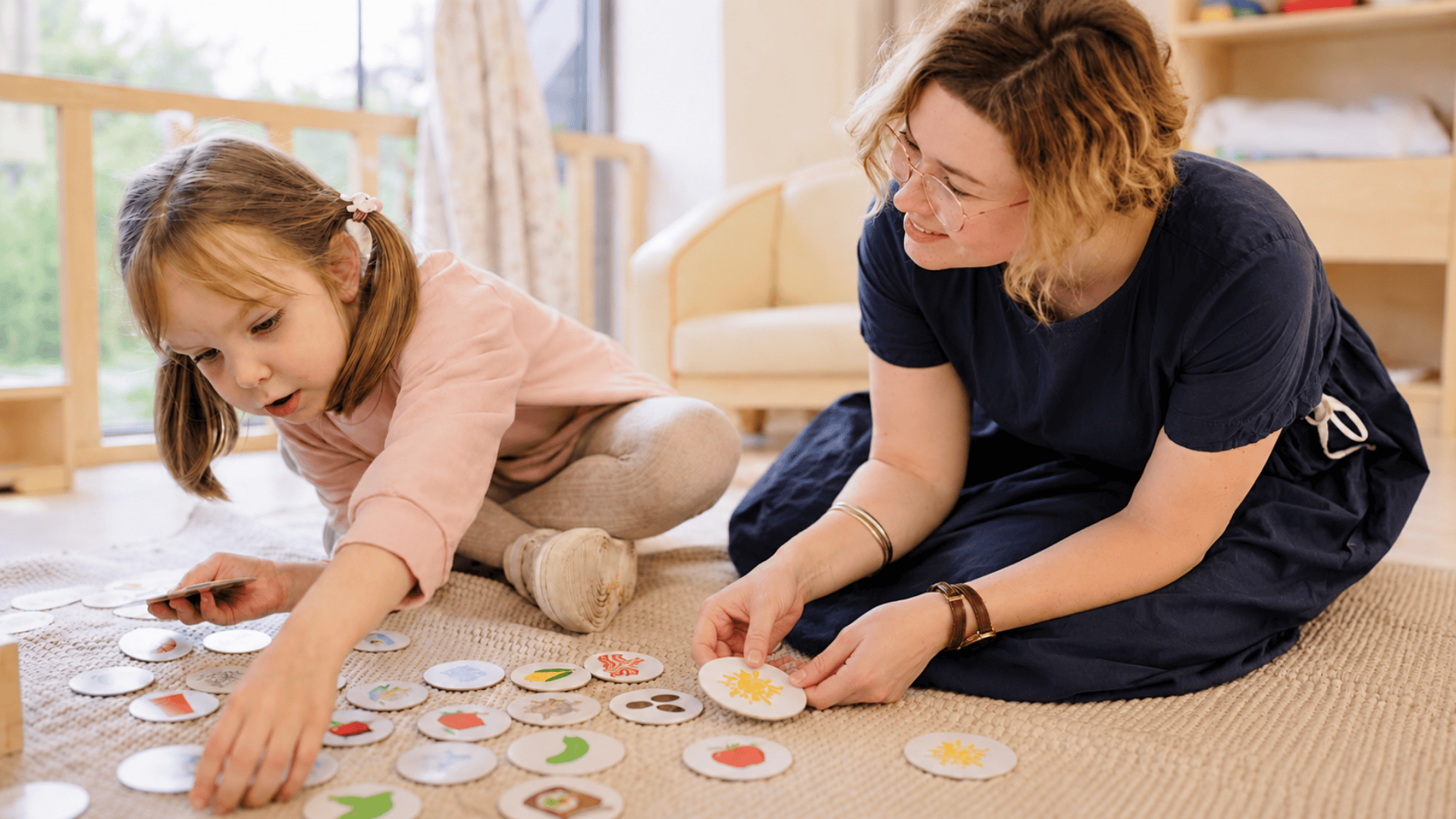
FCT helps children express their needs, wants, and emotions in a way that others can understand. For instance, instead of having a meltdown to ask for help, a child might learn to say, “Can you help me?” or use a picture of a toy to indicate what they want. The focus is on teaching communication that serves a practical purpose in everyday life.
Why is Functional Communication Training Important for Children with Autism?
Functional Communication Training is crucial because it helps children with autism express their needs and wants in an effective way. Without communication skills, they often resort to frustration-driven behaviors like aggression or tantrums to get attention.
By teaching children how to communicate appropriately, FCT helps reduce these challenging behaviors. Children can use words, gestures, or other communication tools to express their desires, making it easier for parents and caregivers to understand and respond to their needs.
This type of training also promotes independence. As children learn to communicate effectively, they can handle more situations on their own, boosting their self-confidence and encouraging them to take on new challenges.
How Does Functional Communication Training Work?
Functional Communication Training works by identifying the reason behind challenging behaviors and teaching a more functional form of communication that meets the same need. For example, if a child is having tantrums to request a snack, they may be taught to ask, “Can I have a snack?” instead of using disruptive behaviors.
The process involves several key steps:

Examples of Functional Communication Training in Autism
Functional Communication Training can be used in a variety of situations to teach different forms of communication. Here are some examples:
- Requesting Help: A child may be taught to use the phrase “Can I have help?” or use a gesture to ask for assistance rather than having a meltdown.
- Expressing Needs and Wants: Instead of engaging in disruptive behaviors when they want a toy or snack, children can be taught to say, “I want a toy” or point to a picture of the desired item.
- Indicating Discomfort or Pain: If a child is in pain or feeling uncomfortable, they might learn to say, “My tummy hurts” or show a picture of a sad face, enabling caregivers to address their needs.
- Requesting Breaks: For children who struggle with transitions or demand situations, they may be taught to use a specific word or card to request a break.

How Can Parents Support Functional Communication Training at Home?
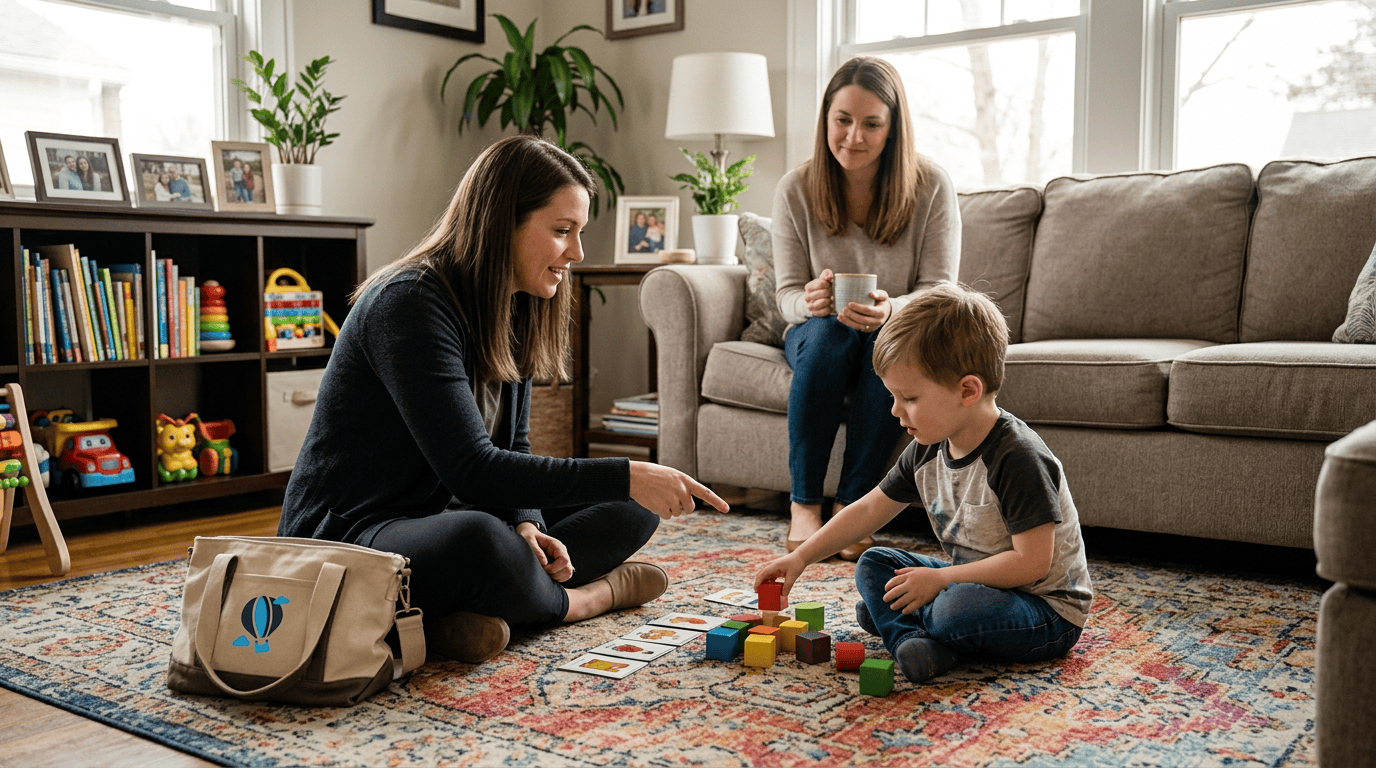
Parents play a crucial role in reinforcing functional communication training autism outside therapy sessions. Consistency is key, so it’s important to use the same communication methods (words, pictures, or gestures) that are being taught in therapy to avoid confusion.
Creating opportunities for communication is another effective strategy. For example, parents can encourage their child to ask for items, help, or breaks using their new communication skills. This makes the child actively practice what they’re learning, increasing confidence and fluency in their communication.
It’s also essential to immediately reinforce communication when it happens. This could mean offering praise, a preferred item, or attention to celebrate successful attempts. Positive reinforcement strengthens the connection between effective communication and desired outcomes.
Lastly, parents should be patient and persistent. Mastering new communication skills takes time, so celebrating small successes and maintaining a calm, supportive approach can help children remain motivated. Patience and consistency are essential for long-term progress in functional communication training autism.
Get Support from Ever Reach ABA
Incorporating functional communication training autism into your child’s routine can make a profound difference in their ability to communicate effectively and reduce problem behaviors. This is crucial for their emotional development and overall well-being.
If you’re looking for expert support in implementing FCT, Ever Reach ABA is here to help. We specialize in personalized ABA therapy in Utah and North Carolina that focuses on building essential communication skills, reducing frustration, and improving social interactions.Contact us today to learn more about how Functional Communication Training can transform your child’s communication skills and life!




 Website by
