

Living independently is a significant milestone for any adult, and for adults with autism, this journey can come with unique challenges and opportunities. Supporting adults with autism to live independently involves a multifaceted approach tailored to their individual strengths, needs, and goals. With the right guidance, tools, and therapies, many adults with autism can successfully manage daily living, maintain employment, and build meaningful social connections. In this article, we’ll explore effective strategies and resources available to help adults with autism achieve independence, with a particular focus on the role of Applied Behavior Analysis therapy and in-home support services.
Understanding the Independence Journey for Adults with Autism
Adults with autism often experience varying levels of ability and require different types of support when it comes to living independently. Independence doesn’t mean living completely alone without any assistance, but rather having the skills and confidence to manage one’s life to the greatest extent possible. This includes:
- Managing personal care and hygiene
- Preparing meals and managing nutrition
- Budgeting and handling finances
- Navigating transportation and community involvement
- Finding and maintaining employment
- Building and maintaining social relationships
- Managing health appointments and medications
For many adults with autism, learning and strengthening these skills can be achieved with consistent support, coaching, and therapeutic interventions.
The Role of ABA Therapy in Promoting Independence
Applied Behavior Analysis (ABA) therapy is widely recognized as an effective intervention that can benefit individuals across the lifespan. ABA therapy uses principles of learning and behavior modification to teach new skills and reduce barriers to independent living.
For adults with autism, ABA therapy focuses on functional life skills such as:
- Communication and social interaction
- Daily living skills (e.g., cooking, cleaning, personal hygiene)
- Problem-solving and decision-making
- Employment readiness and job skills
- Self-management and emotional regulation
By breaking down complex tasks into manageable steps and providing positive reinforcement, ABA therapy helps adults with autism build confidence and competence in critical areas of independence.
Accessing ABA Therapy in North Carolina
In North Carolina, ABA therapy services are increasingly available to adults with autism who seek to enhance their independent living skills. There are several options depending on individual needs and circumstances:
Home Based ABA Therapy North Carolina
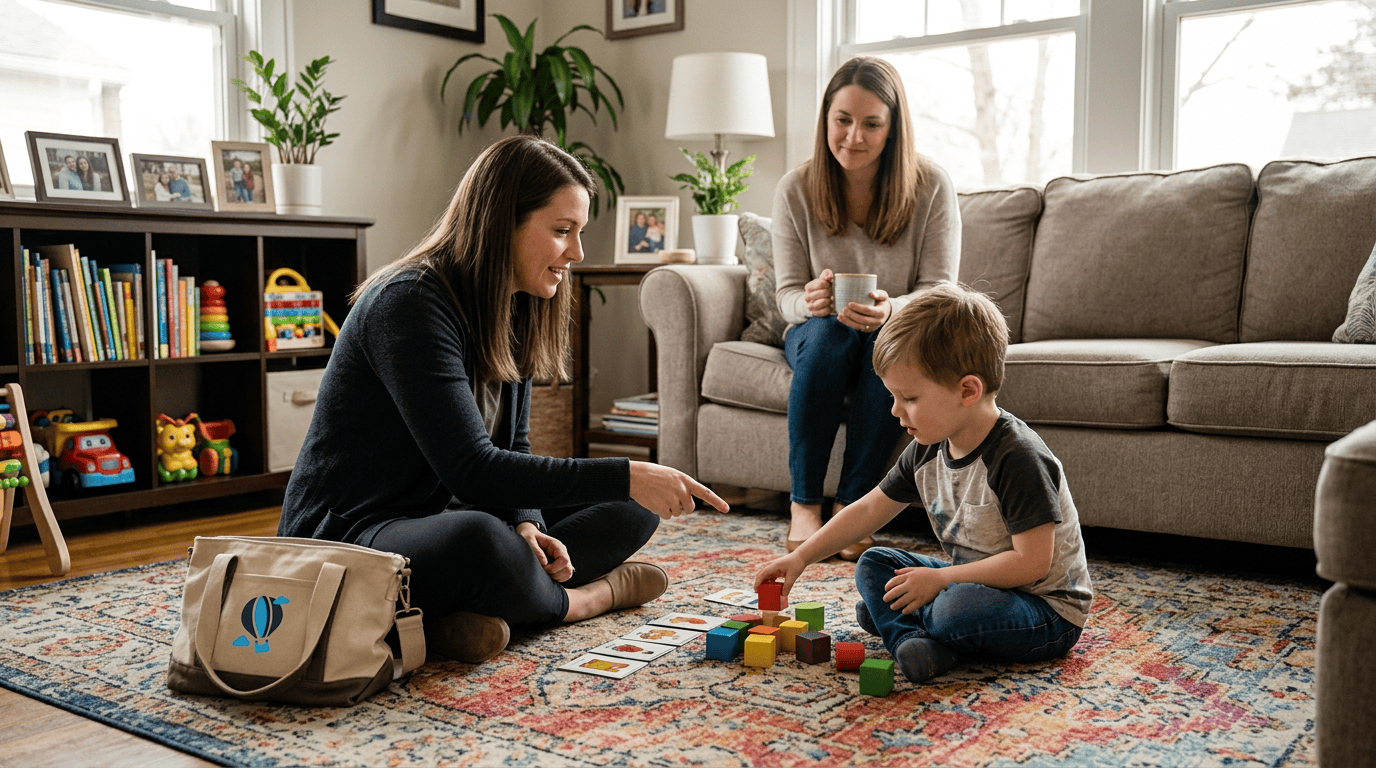
Home based ABA therapy North Carolina programs deliver therapy directly in the individual’s living environment. This approach allows therapists to customize interventions in the real-world setting where the adult lives and practices daily skills. Home based services are particularly effective because they provide hands-on support in activities like meal preparation, household chores, and community navigation.
In-Home ABA Therapy North Carolina
Similar to home based ABA therapy, in-home ABA therapy North Carolina emphasizes convenience and personalized attention by providing therapy in the client’s residence. This method ensures continuity and reduces stress that might occur in unfamiliar clinical settings. In-home ABA therapy also allows for direct collaboration with family members or caregivers, facilitating a team approach to independence.
Finding In-Home ABA Therapy Near Me
For adults with autism or their families looking for local support, searching for “in-home ABA therapy near me” is an excellent first step. Many providers now offer tailored in-home services that focus on fostering independence, communication, and life skills. Local therapists can assess individual needs, create customized programs, and track progress closely, ensuring effective and meaningful outcomes.
The Importance of Community and Social Support
Living independently is not only about managing daily tasks; social inclusion and community engagement are essential aspects of a fulfilling life. Adults with autism benefit greatly from social support networks, whether through peer groups, community centers, or recreational activities.
Building social connections helps adults with autism:
- Develop interpersonal skills
- Increase confidence in social settings
- Reduce feelings of isolation
- Find opportunities for employment and volunteering
Community programs designed for adults with developmental differences can offer safe environments for social interaction and skill-building.
Employment and Vocational Training
One of the pillars of independence is meaningful employment. Adults with autism often have unique talents and strengths that can be channeled into rewarding careers. Vocational training programs tailored to adults with autism can help develop workplace skills such as punctuality, task completion, teamwork, and communication.
ABA therapy also plays a vital role in employment readiness by teaching job-specific skills and providing support with workplace behaviors. Supported employment programs can provide job coaching, helping adults maintain jobs and build long-term career paths.
Financial Management and Daily Living Skills
Managing finances is a critical skill for independence. Adults with autism may require guidance in budgeting, paying bills, and understanding financial responsibilities. ABA therapy can include practical lessons on these topics, often delivered through in-home sessions that simulate real-life situations.

Daily living skills like cooking, cleaning, and transportation are similarly essential. Through consistent practice and reinforcement, adults can gain confidence in these areas, which improves their quality of life and self-sufficiency.
The Role of Families and Caregivers
Families and caregivers remain a vital part of the independence journey. They often provide emotional support, assist with decision-making, and coordinate services. However, encouraging autonomy is equally important. Caregivers should aim to foster independence by:
- Allowing adults to try tasks themselves before stepping in
- Celebrating progress and milestones
- Encouraging problem-solving and self-advocacy
- Collaborating with therapists and service providers
Balancing support with independence helps adults build essential life skills while feeling safe and supported.
Using Technology to Enhance Independence
Technology can also be a powerful tool for adults with autism living independently. From smartphone apps that provide reminders for medications and appointments, to devices that assist with navigation and communication, technology increases accessibility and confidence.
Many ABA therapy programs incorporate technology to engage adults and personalize learning. Virtual coaching sessions and telehealth services also expand access to ABA therapy, especially in rural or underserved areas.
How to Find ABA Therapy Near Me
When searching for ABA therapy near me, it’s important to consider the following:
- Provider credentials and experience with adults
- Availability of in-home or home-based services
- Customized program options
- Positive reviews and client testimonials
- Insurance coverage and affordability
Local directories, healthcare providers, and autism support organizations can be excellent resources to find reputable ABA therapy providers in your area.
Conclusion
Helping adults with autism live independently is a collaborative and personalized process that requires patience, commitment, and access to the right resources. ABA therapy, particularly home based ABA therapy North Carolina and in-home ABA therapy North Carolina, offers effective, evidence-based strategies to teach essential life skills. By focusing on communication, daily living, vocational training, and social involvement, adults with autism can thrive and lead fulfilling, self-directed lives.
If you or a loved one are seeking support, consider exploring in-home ABA therapy near me or ABA therapy near me options to find the best fit for your needs. With the right support, adults with autism can gain the skills and confidence needed for true independence.
At Ever Reach ABA, personalized therapy helps children with autism build skills that last a lifetime. We focus on people, not just numbers. By creating a space of open communication, we ensure families and staff feel understood and valued. Together, aligned in purpose, real progress is achievable.
FAQs
What is ABA therapy and how does it help adults with autism?
ABA therapy, or Applied Behavior Analysis, is a therapeutic approach that uses behavioral principles to teach new skills and improve existing ones. For adults with autism, ABA therapy helps develop essential life skills like communication, daily living tasks, social interaction, and employment readiness, promoting greater independence.
Is ABA therapy effective for adults or only for children?
ABA therapy is effective across all ages, including adults with autism. While it is commonly associated with children, many adults benefit from ABA’s structured approach to learning skills necessary for independent living and social engagement.
What is home based ABA therapy North Carolina and who can benefit from it?
Home based ABA therapy North Carolina involves providing therapy services in the adult’s own home environment. This is especially beneficial for adults with autism who need support practicing skills in real-life settings, making the learning process more relevant and practical.
How can I find in-home ABA therapy near me?
Searching for “in-home ABA therapy near me” online or contacting local autism support organizations are good starting points. Many therapy providers offer in-home services tailored to adults with autism to teach life skills in a comfortable and familiar setting.
Can ABA therapy help adults with autism find and keep a job?
Yes. ABA therapy can include vocational training that focuses on job-specific skills, workplace behavior, and social interactions needed for employment. Many adults with autism have successfully maintained jobs with the help of ABA-supported coaching.
What daily living skills are taught through ABA therapy?
ABA therapy helps teach skills such as cooking, cleaning, personal hygiene, budgeting, medication management, and transportation. Learning these skills contributes significantly to living independently.
Is ABA therapy covered by insurance in North Carolina?
Coverage varies depending on the insurance plan. Many insurance providers in North Carolina now cover ABA therapy, especially for those diagnosed with developmental needs. It’s best to check directly with your insurance provider and therapy service for specifics.
How long does ABA therapy take to help adults live independently?
The duration varies by individual goals and progress. ABA therapy is highly personalized, and some adults may see significant improvement in a few months, while others may benefit from ongoing support over years.
Are there support groups or community programs for adults with autism?
Yes. Community programs, support groups, and recreational activities designed for adults with autism offer social opportunities and skill-building environments that complement ABA therapy.
How involved should family members be in ABA therapy?
Family involvement is crucial. Caregivers and family members can reinforce skills learned during therapy, provide encouragement, and help practice independent living tasks. ABA therapists often collaborate with families to ensure consistent support.





 Website by
