

Raising a child with developmental differences comes with unique challenges, especially for mothers who often serve as the primary caregivers. For many moms, navigating behavior issues, daily routines, and developmental delays can feel overwhelming without the right support system. One of the most impactful and scientifically supported approaches is ABA therapy—Applied Behavior Analysis. Moms across the country, and especially those accessing ABA therapy in North Carolina, are discovering how this structured, goal-oriented intervention not only helps their children grow but also significantly improves their own mental well-being and daily routines.
In this article, we explore how ABA therapy in North Carolina can be a lifeline for moms by fostering emotional relief, empowering parenting techniques, and building hope for the future.
What is ABA Therapy?
ABA therapy is a research-based approach that focuses on improving specific behaviors, including communication, social skills, attention, and daily living skills. It uses reinforcement strategies to encourage positive behavior and reduce challenging behavior. While it’s a structured and data-driven method, its real power lies in its ability to bring meaningful changes to a child’s day-to-day life.
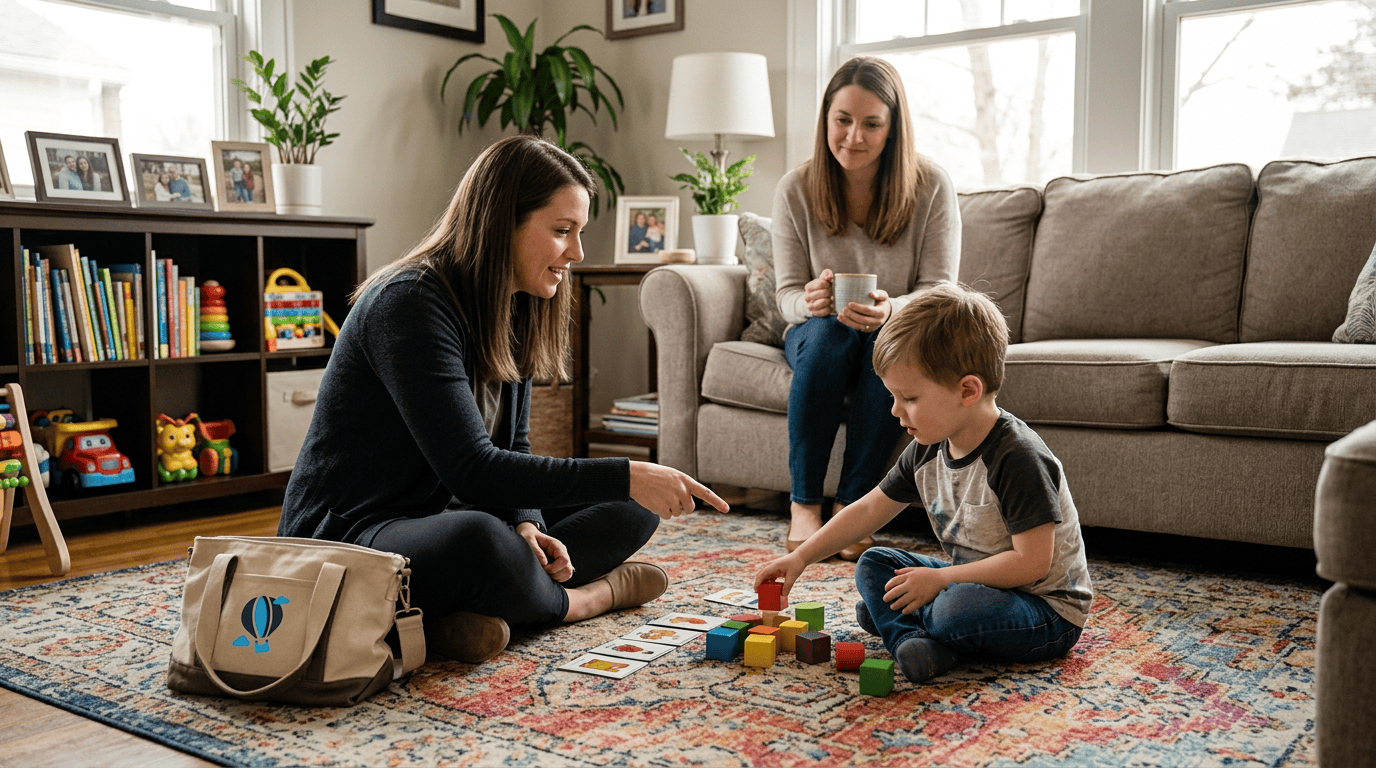
This therapy is typically customized to the unique needs of the child and can take place in different settings, including clinics, schools, and even at home. Home based ABA therapy is particularly beneficial for moms, as it integrates behavior support directly into daily routines.
Emotional Relief and Support for Moms
One of the most immediate benefits moms experience from ABA therapy in North Carolina is emotional relief. The constant effort of managing behaviors without professional guidance can lead to burnout, anxiety, and feelings of helplessness.
When a child begins ABA therapy, moms are no longer alone in managing every aspect of their child’s behavior. They become part of a supportive team that includes Board Certified Behavior Analysts (BCBAs) and behavior technicians. This shift allows mothers to regain a sense of control and stability, knowing their child is supported by professionals with clear goals and proven methods.
Enhancing Parenting Skills and Confidence
Moms often feel unsure about how to handle certain behaviors or how to support their child’s development effectively. ABA therapy provides them with clear, data-driven strategies that they can use daily. These strategies may include:
- Positive reinforcement techniques
- Structured routines for challenging situations
- Communication systems such as PECS (Picture Exchange Communication System)
- Behavior intervention plans tailored to specific needs
By learning and applying these techniques, mothers develop greater confidence in their parenting. They can approach each day with tools that have been tested and refined by professionals, which can significantly reduce feelings of helplessness or guilt.
Improved Family Dynamics
When a child begins showing improvement through ABA therapy, the benefits ripple across the entire family. Moms often notice less tension at home, more cooperative sibling relationships, and an overall calmer environment. Having a structured plan in place reduces chaos and uncertainty, making it easier for all family members to understand the child’s needs and behavior.
Moreover, home based ABA therapy allows siblings and other family members to become part of the support system. Parents can involve everyone in creating a nurturing, consistent environment, which improves family bonding and communication.
Support Through Insurance and Accessibility
One common question among moms is: “Does insurance cover ABA therapy?” The good news is that in many cases, yes. In North Carolina, most insurance plans are required by law to cover ABA therapy under mental health and behavioral health services for individuals diagnosed with developmental conditions. This includes both private insurance and Medicaid, making therapy more accessible than ever.
Understanding the financial aspect can relieve a significant burden. Moms no longer have to choose between getting help and maintaining financial stability. Providers who offer ABA therapy in North Carolina often have dedicated staff to help families navigate insurance requirements and ensure coverage is maximized.

Consistency and Structure at Home
Moms thrive on routines that support their families, and ABA therapy adds to that stability. With home based ABA therapy, children practice desired behaviors in the actual environment where they occur. This setting enhances generalization and ensures that progress made in therapy sessions translates to real-life situations.
For moms, it means fewer behavioral surprises, smoother transitions, and more peaceful moments. Therapists work with parents to build visual schedules, reward systems, and coping strategies that become part of the family’s daily life.
Empowering Long-Term Development
One of the most rewarding aspects for moms is watching long-term growth. ABA therapy isn’t a short-term fix—it’s a step-by-step journey tailored to the child’s pace and potential. Over time, moms witness real progress in areas like communication, independence, and social interaction.
They also become skilled in tracking their child’s development through goal sheets and session notes. This transparency builds trust and hope, giving moms measurable proof that their efforts—and those of the therapy team—are making a real difference.
Building a Community of Support
When moms choose ABA therapy in North Carolina, they also gain access to a broader community of professionals and other parents. This community creates opportunities for:
- Parent training workshops
- Group therapy for siblings
- Online support groups and educational resources
- Respite care and in-home assistance
Connecting with other moms who share similar journeys can be uplifting. These shared experiences reduce isolation and provide a network of empathy, advice, and encouragement.
Customization Based on Family Needs
No two families are the same, and good ABA providers know this. Many ABA therapy programs in North Carolina offer tailored services that align with the family’s schedule, priorities, and cultural values. Whether a mom prefers clinic-based sessions, school support, or home based ABA therapy, flexible options are available to suit her lifestyle.
Some providers also offer parent coaching, where moms receive one-on-one guidance to reinforce skills at home. This personalized attention helps maintain consistency and reinforces the therapy’s success beyond session hours.
A Brighter Future for Both Child and Parent
The journey of raising a child with special needs is not without its challenges, but it also comes with unique joys and victories. With the right support, moms can move from surviving to thriving. ABA therapy in North Carolina provides not only measurable progress for children but also peace of mind for moms who want the best for their families.
By equipping them with tools, reducing emotional burden, and creating opportunities for support, ABA therapy becomes more than a clinical approach—it becomes a transformative experience for the whole household.
Conclusion
Moms of children with developmental delays carry an immense responsibility, and they deserve support that empowers them to succeed. ABA therapy offers that support by creating meaningful change in a child’s behavior, strengthening the parent-child bond, and restoring balance at home. Whether through clinic-based services or home based ABA therapy, families in North Carolina can access high-quality interventions designed to uplift and empower.
And for mothers wondering “does insurance cover ABA therapy?”—the answer is often yes, especially with the right provider guiding the process.
At EverReach ABA, we’re about people, not just the data and numbers. Our focus is to create an environment based on open communication, where families and staff are heard and happy. When we’re all reaching together for the same goals, real growth can happen.
FAQs
How does ABA therapy in North Carolina benefit moms specifically?
ABA therapy in North Carolina provides structured support that helps moms manage their child’s behavior, develop effective parenting techniques, and reduce daily stress. It also allows mothers to be part of a collaborative team that supports both the child and the family.
Does insurance cover ABA therapy in North Carolina?
Yes, in many cases, insurance does cover ABA therapy in North Carolina. Both private insurance plans and Medicaid may offer coverage for eligible children with a formal diagnosis. Always consult with your provider or therapy center to understand specific coverage and requirements.
What is home based ABA therapy, and how does it help moms?
Home based ABA therapy brings professional behavior support directly into the child’s natural environment. This makes it easier for moms to implement therapy strategies in daily routines, track progress, and build consistency across all areas of the child’s life.
Can ABA therapy reduce parental stress?
Absolutely. ABA therapy equips moms with practical tools and strategies to handle behavior challenges confidently. Having a structured plan and professional support helps reduce emotional overload and provides reassurance that progress is being made.
Is ABA therapy only for children with severe behavioral challenges?
No. ABA therapy is beneficial for a wide range of behavioral and developmental concerns. It can be tailored to focus on communication, social skills, independence, and more—making it useful for many different family situations.
How do moms stay involved in ABA therapy sessions?
Most providers of ABA therapy in North Carolina actively involve parents through coaching, observations, and regular updates. Moms often receive training on behavior techniques so they can support progress outside of scheduled sessions.
How is ABA therapy personalized for each family?
ABA therapy programs are individualized based on the child’s strengths, needs, and family goals. Providers work with moms to build a schedule, therapy plan, and reinforcement strategies that align with the family’s lifestyle—whether it’s clinic-based, school support, or home based ABA therapy.
What kind of progress can moms expect to see with ABA therapy?
With consistency and proper implementation, moms can see improvements in their child’s communication, behavior regulation, self-care abilities, and interaction skills. The process takes time, but many families in North Carolina report meaningful changes.





 Website by
