

In today’s digital era, screen time has become a significant part of children’s daily lives. This includes children with autism, who may find screens engaging and often use digital devices for learning, communication, and recreation. However, balancing screen time is crucial to ensure it supports healthy development rather than hindering it. Parents, caregivers, and therapists often seek effective strategies to manage screen exposure while fostering growth and social interaction. This article explores practical ways to balance screen time for children with autism, incorporating insights about ABA therapy, especially within North Carolina, and how home-based or in-home ABA therapy options can play a pivotal role in this process.
Understanding the Role of Screen Time in Children with Autism
Children with autism frequently have unique ways of engaging with the world. Screens, whether tablets, smartphones, or computers, can provide a controlled and predictable environment that is comforting and educational. Many apps and programs designed for children with autism help develop communication, cognitive, and social skills.
However, excessive screen time can lead to challenges such as reduced physical activity, delayed social interactions, and difficulty managing transitions away from digital devices. For children with autism, who may already face hurdles in social and adaptive behaviors, unregulated screen time might exacerbate these difficulties.
Therefore, a balanced approach is essential to harness the benefits of screen time while minimizing any negative impacts.
Why Balancing Screen Time Matters
Balanced screen time helps children with autism in several ways:
- Encourages Social Interaction: Too much screen time can reduce opportunities for face-to-face communication and play.
- Supports Physical Health: Regular breaks from screens encourage movement and physical activity, critical for overall health.
- Enhances Learning: Screen time dedicated to educational content can be beneficial but needs to be integrated with real-world experiences.
- Promotes Routine and Structure: Setting limits creates predictable daily routines, which is important for children with autism.
Effective Strategies to Balance Screen Time for Children with Autism

Set Clear and Consistent Limits
Establishing screen time boundaries is one of the most important steps. Define how much time per day is appropriate, considering the child’s age, interests, and therapeutic needs. The American Academy of Pediatrics suggests no more than 1 to 2 hours of recreational screen time daily for children, but this can be tailored with professional guidance.
Communicate these limits clearly with your child using simple rules or visual schedules. Consistency helps children anticipate transitions and reduces resistance when it’s time to stop screen activities.
Prioritize Quality Content
Not all screen time is equal. Choose high-quality, educational, and interactive programs designed to support learning and communication development. Many apps complement therapeutic goals and can reinforce skills taught in ABA therapy.
Parents can work closely with therapists to identify recommended digital resources that align with their child’s individual needs.
Incorporate ABA Therapy to Manage Screen Time
ABA therapy, which is widely recognized as an effective intervention for children with autism, can be instrumental in helping manage screen time. Therapists in North Carolina and beyond use ABA techniques to teach children how to regulate their use of devices, follow rules, and engage in alternative activities.
For example, behavioral reinforcement strategies can reward children for taking breaks from screens or participating in social interactions. Families can benefit from home-based ABA therapy North Carolina providers who offer customized programs that include screen time management as part of overall behavioral goals.
Use Screen Time as a Reward or Incentive
ABA therapy professionals often recommend using screen time as a motivational tool. Instead of allowing unrestricted access, screen time can be given as a reward for completing tasks, engaging in physical activity, or practicing communication skills.
This approach helps children understand that screen use is earned and not an automatic privilege, encouraging positive behaviors and self-control.
Plan Screen-Free Zones and Times
Creating specific times and places where screens are not allowed can help balance usage. For example, meal times, family gatherings, and before bedtime should ideally be screen-free. This encourages more family interaction and better sleep hygiene.
Consistent routines like these also support children with autism in developing healthier habits around technology.
Encourage Alternative Activities
Encouraging children to participate in other engaging activities helps reduce dependency on screens. This can include outdoor play, arts and crafts, reading, or interactive games that involve social skills.
Families can collaborate with ABA therapy professionals to identify interests and strengths to build a balanced activity schedule.
Monitor and Adapt Screen Time Regularly
Regularly reviewing the child’s screen habits and their impact on behavior and development is crucial. Screen time guidelines should evolve as the child grows and their therapeutic needs change.
Parents should communicate openly with ABA therapy providers in North Carolina or wherever they are located to adjust strategies and ensure screen time remains balanced and purposeful.
Utilize In-Home ABA Therapy Options for Personalized Support
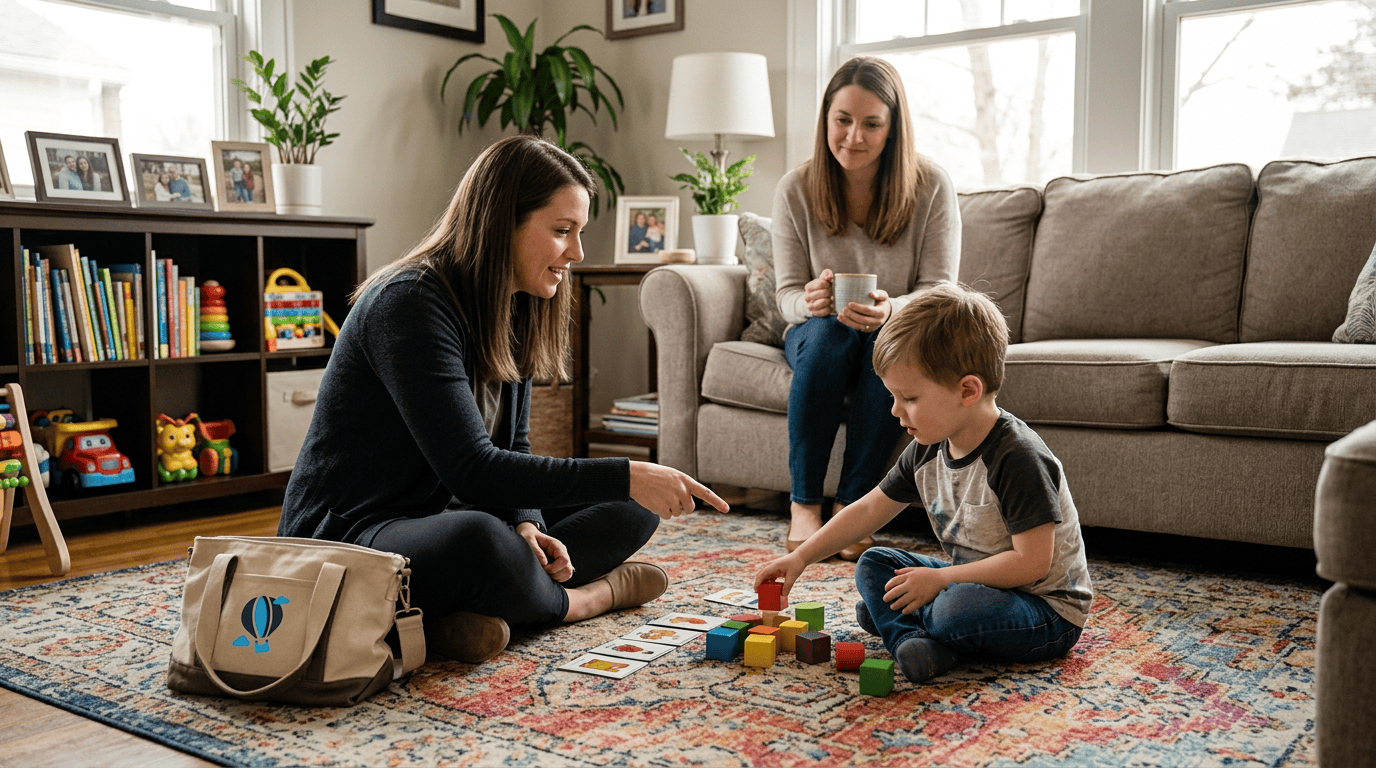
In-home ABA therapy North Carolina services offer the advantage of personalized, convenient support for families managing screen time challenges. In-home ABA therapy allows therapists to observe the child’s natural environment and tailor interventions accordingly.
Finding “in-home ABA therapy near me” or “ABA therapy near me” can connect families with professionals who provide hands-on guidance for managing screen time alongside other developmental goals.
Benefits of Combining ABA Therapy with Screen Time Management
ABA therapy’s structured, evidence-based approach helps children learn new skills and modify behaviors. When combined with balanced screen time practices, it provides several benefits:
- Improved Communication: ABA therapy techniques can help children use screens to practice language and social skills more effectively.
- Behavioral Regulation: Children learn to manage impulses and transitions related to screen use.
- Family Involvement: ABA therapy includes training for parents, empowering them to implement screen time strategies consistently.
- Holistic Development: Balancing screens with other activities promotes well-rounded growth.
Finding ABA Therapy Support in North Carolina
For families looking for specialized help, North Carolina offers many reputable ABA therapy providers. Whether seeking center-based programs or more flexible options like home-based ABA therapy North Carolina families value, access to expert guidance is key to success.
Home-based ABA therapy North Carolina programs offer the comfort and convenience of receiving therapy in familiar surroundings. This setup is especially beneficial for managing routines like screen time, as therapists can model and coach strategies in real-life contexts.
Searching “ABA therapy near me” or “in-home ABA therapy near me” online can help families find local resources tailored to their child’s unique needs.
Practical Tips for Parents and Caregivers
- Model Healthy Screen Use: Children learn by example, so parents should demonstrate balanced screen habits.
- Use Visual Aids: Picture schedules or timers can help children understand and follow screen time limits.
- Create Engaging Alternatives: Offer interesting non-screen activities to reduce resistance.
- Communicate with Therapists: Regularly update ABA providers on screen time habits and challenges.
- Stay Patient and Flexible: Balancing screen time is an ongoing process requiring adjustments as the child grows.
Conclusion
Balancing screen time for children with autism is a vital part of supporting their overall development and well-being. By setting clear limits, prioritizing educational content, integrating ABA therapy techniques, and using in-home therapy options, families can create a healthy digital environment that complements therapeutic goals.
North Carolina families have access to excellent ABA therapy resources that assist in managing screen time effectively, making the journey smoother for both children and caregivers. With thoughtful planning, consistency, and professional support, screen time can become a valuable tool rather than a hurdle in the developmental path of children with autism.
Ever Reach ABA delivers customized therapy designed to equip children with autism for lifelong achievements. We prioritize people over statistics, fostering a supportive space where families and staff feel valued and heard. Together, we strive toward shared goals to create meaningful progress.
FAQs
Why is it important to balance screen time for children with autism?
Balancing screen time is essential because excessive use can limit opportunities for physical activity, social interaction, and communication development. Proper balance ensures that screen time supports learning and growth without interfering with daily routines and therapy goals.
How can ABA therapy help manage screen time for children with autism?
ABA therapy uses behavioral techniques to teach children self-regulation and healthy screen habits. Therapists reinforce positive behaviors, help establish clear rules around screen use, and promote alternative activities that support social and cognitive skills.
What is the benefit of home-based ABA therapy North Carolina families?
Home-based ABA therapy North Carolina programs provide personalized, flexible support in a familiar environment. This approach allows therapists to address screen time challenges directly within the child’s daily routine, making interventions more practical and effective.
How do I find reliable ABA therapy near me?
To find ABA therapy near me, parents can search online directories, consult healthcare providers, or contact local autism support organizations. Many providers also offer in-home ABA therapy near me options for convenience and personalized care.
How much screen time is recommended for children with autism?
While recommendations vary, many experts suggest limiting recreational screen time to no more than 1 to 2 hours per day. The focus should be on quality content and ensuring that screen time does not replace essential physical activity or social interaction.
Can screen time be used as a reward in ABA therapy?
Yes, many ABA therapy programs incorporate screen time as a motivational tool. Children earn screen time by completing tasks, engaging in therapeutic activities, or practicing social skills, which helps promote positive behavior and self-control.
What are some effective alternatives to screen time for children with autism?
Effective alternatives include outdoor play, hands-on activities like arts and crafts, reading, interactive games, and social activities. ABA therapy professionals can help identify engaging alternatives tailored to the child’s interests and strengths.
What should I do if my child resists stopping screen time?
Using ABA therapy strategies such as visual schedules, timers, and positive reinforcement can ease transitions away from screens. Consistency and patience are key, and working with ABA therapists can provide families with customized tools and techniques.
Are there ABA therapy options that come to my home in North Carolina?
Yes, many providers offer in-home ABA therapy North Carolina services, allowing therapy sessions to take place in a comfortable and familiar setting. This can be especially helpful for managing daily routines like screen time.
How do I integrate screen time limits with ongoing ABA therapy?
Communicate regularly with your child’s ABA therapy team about screen time habits. Therapists can incorporate screen time management into behavioral goals and provide coaching on consistent limit-setting and alternative activities.





 Website by
