

Autism spectrum disorder is a complex neurodevelopmental condition that affects communication, behavior, and social interaction. Finding effective interventions is crucial to helping individuals achieve their fullest potential and improve their quality of life. In recent years, science-based treatment for autism has gained prominence due to its emphasis on evidence, research, and measurable outcomes. Among these treatments, Applied Behavior Analysis (ABA) therapy stands out as a cornerstone intervention, widely recognized for its effectiveness.
This article explores the most reliable, science-backed approaches that have demonstrated significant positive impact in managing autism. Whether you’re seeking ABA therapy North Carolina, home based ABA therapy North Carolina, or looking for ABA therapy near me, understanding these treatments will help you make informed decisions.
What is Science-Based Treatment for Autism?
A science-based treatment for autism refers to interventions that have been rigorously tested through scientific research and clinical trials. These treatments focus on measurable improvements in communication, social skills, and adaptive behavior, providing a structured framework to support development.
Science-based approaches differ from anecdotal or experimental methods by their reliance on data and consistent results across diverse populations. This ensures families and caregivers can trust the intervention’s effectiveness and safety.
Applied Behavior Analysis (ABA) Therapy: The Gold Standard
ABA therapy is one of the most widely accepted and researched science-based treatments for autism. It focuses on improving specific behaviors, communication skills, and social interaction by breaking down complex tasks into manageable steps and rewarding positive behaviors.
How ABA Therapy Works
ABA therapy utilizes principles of learning theory, such as reinforcement, to encourage desired behaviors and reduce those that may interfere with learning or social functioning. The therapy is highly individualized, designed to meet the unique needs of each person.
Key components include:
- Assessment: Identifying strengths and areas for improvement.
- Goal Setting: Establishing clear, measurable objectives.
- Intervention: Applying targeted strategies to teach new skills.
- Data Collection: Monitoring progress to adjust techniques as needed.
Types of ABA Therapy
- Traditional ABA: Conducted in clinics or therapy centers.
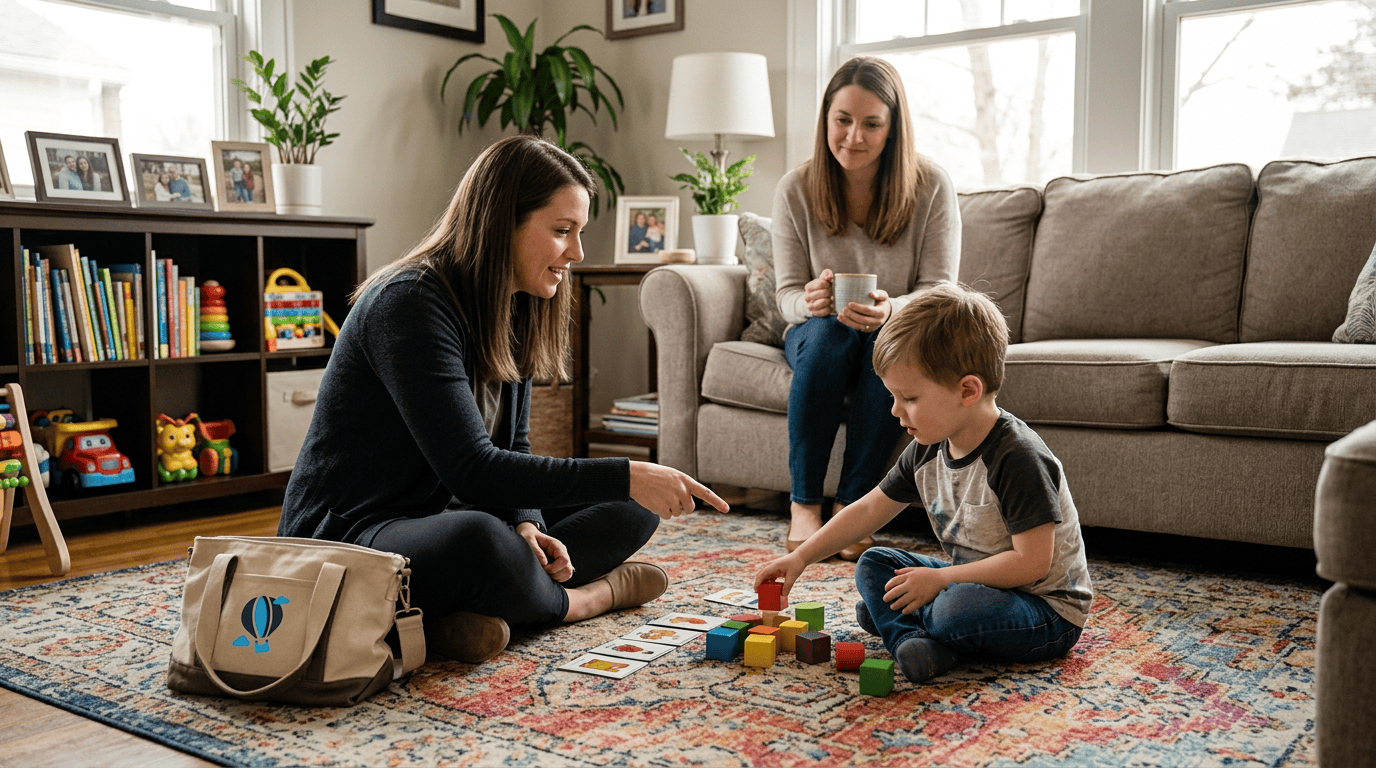
- Home Based ABA Therapy: Delivered in the individual’s natural environment, such as the home, to enhance comfort and real-life skill application.
- In-Home ABA Therapy Near Me: Finding qualified therapists who come to the home allows personalized care and consistent support.
Benefits of ABA Therapy
Research shows that ABA therapy can lead to:
- Improved communication abilities.
- Enhanced social skills.
- Reduction in challenging behaviors.
- Increased independence in daily tasks.
For those searching for ABA therapy North Carolina or home based ABA therapy North Carolina, numerous licensed providers specialize in delivering these services with fidelity to scientific principles.
The Importance of Early Intervention
One of the most critical aspects of effective treatment is starting as early as possible. Early intervention harnesses the brain’s plasticity during childhood, which allows for greater gains in language, cognitive, and social skills.
Children who receive in-home ABA therapy North Carolina or similar services early often experience more significant progress than those who start later. Early science-based treatment for autism ensures that interventions align with developmental stages and maximize outcomes.
Other Science-Based Approaches Complementing ABA
While ABA remains a primary intervention, several other science-based therapies support development and skill-building:
Speech and Language Therapy
Many individuals on the autism spectrum experience challenges with communication. Speech and language therapy is often recommended alongside ABA to enhance expressive and receptive language skills. It focuses on improving vocabulary, sentence structure, and pragmatic language use (how language is used socially).
Occupational Therapy (OT)
Occupational therapy addresses functional skills necessary for daily living, such as dressing, eating, and fine motor coordination. OT can complement ABA therapy by improving physical abilities that support independence and self-care.
Social Skills Training
Social skills training teaches appropriate ways to interact with others, recognize social cues, and develop meaningful relationships. This type of training is often integrated into ABA programs or provided separately to address specific social challenges.
Finding Quality ABA Therapy Near You
If you’re seeking ABA therapy near me, it’s essential to find providers with credentials and experience in delivering science-based treatment for autism. Here are some tips to consider:
- Check Credentials: Look for Board Certified Behavior Analysts (BCBAs) or licensed professionals.
- Ask About Experience: Providers with experience in early intervention and individualized programs tend to deliver better outcomes.
- Consider Location and Format: Decide whether clinic-based, home-based, or in-school therapy suits your needs best. For families in North Carolina, in-home ABA therapy North Carolina offers convenience and personalized care.
- Review Treatment Plans: Quality programs use data-driven, individualized plans and adjust strategies based on progress.
Benefits of Home-Based and In-Home ABA Therapy
Choosing home based ABA therapy North Carolina or in-home ABA therapy near me can be particularly beneficial. This approach allows therapists to work within the individual’s natural surroundings, which promotes:
- Comfort and familiarity.
- Generalization of skills to daily life.
- Consistency across routines.
- Family involvement in treatment.
Parents and caregivers often find this setting more accessible and flexible, enhancing overall participation and motivation.
Addressing Common Concerns
Families sometimes worry about the intensity or duration of therapy. Science-based treatments like ABA are adaptable and can range from a few hours a week to more intensive schedules, depending on individual needs and goals. The emphasis remains on quality and meaningful progress rather than quantity alone.
The Role of Caregivers and Families
Family involvement is critical in the success of any science-based treatment for autism. Caregivers participate actively by:
- Supporting carryover of skills between sessions.
- Reinforcing positive behaviors at home and in community settings.
- Collaborating with therapists to set realistic goals.
- Advocating for services and resources.
Programs that offer caregiver training and support, especially in home-based models, empower families to be effective partners in therapy.

Advances in Science-Based Treatment for Autism
Research continues to refine and expand the scope of effective treatments. Innovations include:
- Technology-assisted interventions, such as apps and teletherapy.
- Greater emphasis on individualized care plans.
- Integration of multiple therapies for comprehensive support.
- Ongoing outcome tracking to ensure effectiveness.
These advances help tailor science-based treatment for autism to diverse needs, making interventions more accessible and impactful.
Summary: Why Science-Based Treatments Matter
Choosing a science-based treatment for autism ensures that interventions rest on proven methods and reliable outcomes. Among these, ABA therapy stands out for its strong research backing and adaptability to different settings, including clinics, homes, and schools.
If you’re considering options, particularly in North Carolina, finding quality providers offering ABA therapy North Carolina or home based ABA therapy North Carolina can make a significant difference. Look for licensed professionals who emphasize data-driven, individualized care.
Early intervention, combined therapies, and family involvement form the foundation of successful outcomes. With continuous advancements in research, individuals with autism and their families have more effective tools than ever to support growth and development.
Ever Reach ABA provides personalized therapy designed to equip children with autism for lifelong success. At EverReach ABA, we value people over statistics. We foster an open, communicative environment where families and staff feel heard and supported. When we all work toward the same goals, meaningful growth becomes possible.
FAQs
What is meant by science-based treatment for autism?
Science-based treatment for autism refers to therapies and interventions that are supported by rigorous research and clinical evidence. These treatments focus on improving communication, behavior, and social skills using proven methods, ensuring reliable and measurable outcomes.
Why is ABA therapy considered an effective science-based treatment for autism?
ABA therapy is based on principles of behavior analysis and has been extensively researched over the past decades. It uses reinforcement strategies to teach new skills and reduce challenging behaviors, making it one of the most effective and widely recommended science-based treatments.
What are the benefits of home based ABA therapy North Carolina?
Home based ABA therapy North Carolina allows therapy to take place in a comfortable and familiar environment, which helps individuals apply skills in daily life. It also encourages family participation and provides flexibility in scheduling, enhancing the overall effectiveness of the treatment.
How do I find in-home ABA therapy near me?
To find in-home ABA therapy near you, search for licensed providers or Board Certified Behavior Analysts (BCBAs) who offer services in your area. Many clinics and agencies in North Carolina and other states provide in-home ABA therapy, making it accessible for families seeking personalized care.
Is ABA therapy near me available for all ages?
Yes, ABA therapy is effective for individuals of all ages, though early intervention often yields the best results. Providers offering ABA therapy near me typically tailor programs to fit the unique needs and developmental levels of each individual, regardless of age.
How soon should I start science-based treatment for autism?
Early intervention is highly recommended. Starting a science-based treatment for autism as early as possible takes advantage of the brain’s developmental potential and often leads to better long-term outcomes in communication, social skills, and independence.
Can ABA therapy be combined with other treatments?
Absolutely. ABA therapy can be integrated with speech therapy, occupational therapy, and social skills training to provide a comprehensive approach that addresses multiple developmental areas. This combination often enhances overall progress.
What should I expect during an ABA therapy assessment?
During an assessment, a qualified professional evaluates the individual’s strengths, needs, and behavior patterns. This helps develop a personalized, science-based treatment plan with clear goals and measurable outcomes to guide the therapy sessions.





 Website by
