

When families first begin searching for solutions to help their child improve communication, they often feel overwhelmed by the number of choices available. One approach that has consistently shown meaningful results is ABA Therapy. Rooted in evidence-based practices, this therapy provides structured methods for helping children and families enhance communication at home while building confidence and independence.
At EverReach ABA, our philosophy is simple: progress comes from people working together. We strive to create a supportive environment where families feel heard, respected, and equipped with the right tools to foster real change. In this article, we’ll explore how ABA Therapy strengthens communication at home, why it works so effectively, and how families can benefit from in-home support.
Understanding the Foundation of ABA Therapy
ABA Therapy, or Applied Behavior Analysis Therapy, focuses on teaching meaningful skills through reinforcement, practice, and consistency. Communication is often one of the biggest challenges families face, and ABA provides a clear framework to address this.
Therapists design individualized treatment plans that identify specific communication goals—whether that’s using more words, forming longer sentences, or improving non-verbal communication. Families are included in this process so that progress extends beyond therapy sessions and into everyday interactions at home.
Through structured techniques, ABA helps children:
- Learn to request what they want or need.
- Express emotions and feelings in healthier ways.
- Develop turn-taking and conversation skills.
- Strengthen non-verbal cues like eye contact or gestures.
The result is not only improved communication but also reduced frustration at home and more harmonious relationships between family members.
Why Communication at Home Matters
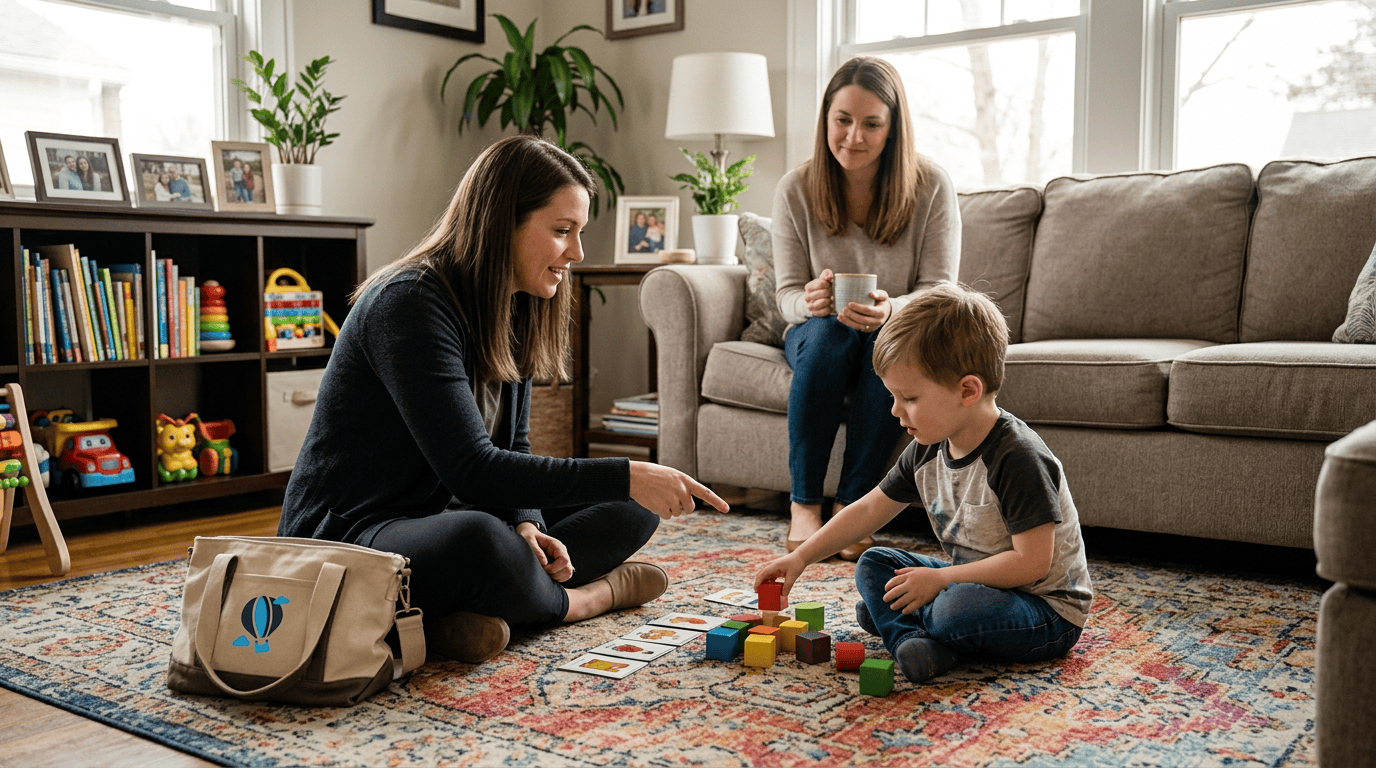
While communication growth in therapy sessions is important, the real test of progress is how well children use these skills at home. That’s where ABA in home therapy plays a vital role. Home is a natural environment where daily conversations, routines, and learning opportunities happen organically.
For example:
- During meals, children practice requesting food items.
- At playtime, they practice sharing toys or initiating games.
- Before bedtime, parents and children may work on storytelling or answering questions.
Every moment at home can become an opportunity to reinforce skills. By embedding communication into daily routines, ABA Therapy ensures that progress isn’t limited to a clinic—it becomes part of real life.
The Role of Families in ABA Therapy
One of the strengths of autism therapy services like ABA is the emphasis on family involvement. Parents and caregivers aren’t just observers; they’re active participants in therapy.
Families learn strategies from therapists to encourage communication throughout the day. For example:
- Using prompting techniques to guide responses.
- Offering choices to encourage decision-making and verbal expression.
- Reinforcing attempts at communication with praise or rewards.
This level of involvement not only accelerates skill development but also gives families the confidence to support their child independently. It also builds a stronger partnership between parents and the therapy team.
How ABA Therapy Builds Communication Skills Step by Step
ABA follows a systematic, step-by-step approach to improving communication at home:
- Assessment by a BCBA – A Board Certified Behavior Analyst (BCBA) conducts an initial assessment to identify communication strengths and areas of need.
- Individualized Plan Development – Goals are created based on the child’s unique abilities and the family’s priorities.
- Skill Breakdown – Large goals are broken down into manageable steps to make learning easier and less overwhelming.
- Reinforcement – Each attempt and success is reinforced, encouraging children to keep practicing.
- Generalization at Home – Skills are practiced in different settings at home to ensure children can use them consistently.
- Ongoing Monitoring – Progress is tracked and adjusted regularly, with the BCBA providing updates and modifications as needed.

This structured pathway ensures that communication skills are not only taught but also maintained and expanded over time.
The Benefits of ABA in Home Therapy for Communication
Many families find that ABA in home therapy offers a unique advantage over center-based sessions. Home-based therapy provides comfort, familiarity, and fewer distractions, making it easier for children to focus on learning.
Some key benefits include:
- Natural learning environment – Skills are taught where they’ll actually be used.
- Parent involvement – Families can observe and apply strategies in real time.
- Flexibility – Sessions can be scheduled around family routines.
- Immediate reinforcement – Children see the direct impact of communication in daily life.
These benefits explain why many families in Utah and beyond search for the best rated ABA services Utah when seeking in-home support. Quality therapy providers not only bring expertise but also prioritize the comfort and needs of each family.
Building Long-Term Success Beyond Communication
While communication is often the initial focus, ABA Therapy extends its impact to other areas of development. Improved communication leads to greater independence, better social interactions, and increased self-esteem.
Children who can clearly express themselves are more likely to:
- Participate in group activities.
- Form friendships.
- Handle challenges with greater resilience.
- Transition smoothly into school environments.
For parents, the improvement in communication brings peace of mind and a stronger sense of connection with their child. It transforms everyday routines into opportunities for bonding and learning.
The Importance of Skilled Professionals in ABA Therapy
Behind every successful ABA program is a dedicated team of professionals, including BCBAs who design treatment plans and guide therapy teams. These professionals play a critical role in helping families achieve their goals.
In fact, the demand for professionals in this field is growing, with many opportunities available through a BCBA job. Skilled analysts not only design effective therapy plans but also coach parents and therapists to implement strategies consistently. Their expertise ensures that therapy is not a one-size-fits-all approach but is instead personalized to each child.
Choosing the Right Autism Therapy Services
When selecting autism therapy services, families should look for providers who emphasize collaboration, communication, and personalized support. High-quality services often include:
- Thorough assessments conducted by experienced BCBAs.
- Flexible in-home and center-based therapy options.
- Ongoing training for parents and caregivers.
- A strong reputation within the community.
At EverReach ABA, we pride ourselves on offering compassionate, evidence-based therapy that puts families first. Our focus isn’t only on data and numbers but on creating a space where children and families can thrive together.
About EverReach ABA
At EverReach ABA, we believe progress begins with people. Our mission is to provide personalized therapy that empowers children with the tools they need for lifelong success. By prioritizing open communication and collaboration, we create an environment where families and staff feel supported and valued.
Whether families are searching for the best rated ABA services Utah or exploring in-home therapy options, EverReach ABA offers trusted solutions designed to make a real difference. Together, we can build communication skills that last a lifetime.
Final Thoughts
Improving communication at home is one of the most rewarding outcomes of ABA Therapy. By embedding strategies into daily routines, involving families in the process, and focusing on personalized goals, ABA helps children develop the skills they need to thrive.
With the right support, families can experience stronger connections, smoother daily routines, and the joy of watching their child’s voice grow stronger every day.
FAQs
How does ABA Therapy help improve communication at home?
ABA Therapy focuses on breaking down communication into manageable steps and reinforcing positive behaviors. At home, therapists use natural situations—like mealtime, playtime, or bedtime—to help children practice requesting, answering questions, and expressing emotions. This approach ensures that communication skills are learned in real-life settings where they’re most meaningful.
What is the difference between ABA in home therapy and clinic-based therapy?
Clinic-based therapy provides a structured environment with controlled conditions, while ABA in home therapy happens in the child’s natural setting. In-home therapy allows children to practice communication in familiar routines, encourages parent participation, and helps generalize skills across daily activities. Many families find in-home support to be especially effective for building lasting communication habits.
Why is family involvement important in ABA Therapy?
Family involvement is central to successful outcomes. Parents and caregivers learn strategies from the therapy team to encourage communication throughout the day. By reinforcing skills outside of therapy sessions, families help children apply what they’ve learned in everyday life. This collaborative approach also strengthens relationships and ensures long-term progress.
How can I choose the best autism therapy services for my child?
When selecting autism therapy services, consider providers that offer individualized treatment plans, experienced BCBAs, flexible in-home or clinic-based options, and parent training. Reading reviews, asking about provider experience, and looking for programs with a strong reputation—such as the best rated ABA services Utah—can guide families in finding the right fit.
What role does a BCBA play in improving communication through ABA Therapy?
A Board Certified Behavior Analyst (BCBA) is responsible for assessing communication needs, creating personalized treatment plans, and supervising therapy implementation. They coach parents, train therapists, and adjust strategies as needed. The demand for professionals in this field continues to grow, making a BCBA job both rewarding and impactful for helping families reach their goals.
How long does it take to see communication improvements with ABA Therapy?
The timeline varies depending on the child’s unique needs, the frequency of sessions, and family involvement. Some families notice small improvements within a few weeks, such as increased attempts at requesting or responding, while more complex communication goals may take several months of consistent practice. With ongoing support from ABA Therapy, progress continues to build steadily over time.




 Website by
