

Applied Behavior Analysis (ABA) therapy has become a widely recognized and effective approach for supporting individuals in improving essential life skills and behavior. For families and caregivers seeking ABA therapy in North Carolina, understanding the costs and coverage options available is crucial for planning and accessing quality care. This article explores the key aspects of North Carolina ABA services, focusing on the costs involved, insurance coverage, and available service options such as home-based and in-home ABA therapy.
What Are North Carolina ABA Services?
North Carolina ABA services refer to professionally guided therapy programs based on the principles of Applied Behavior Analysis. These services are designed to help individuals develop skills such as communication, social interaction, and daily living skills through structured behavioral interventions.
ABA therapy in North Carolina is offered in various settings, including clinics, schools, and increasingly, in-home environments. This flexibility allows families to choose the most suitable option based on their needs, convenience, and preferences.
The Cost of ABA Therapy in North Carolina

One of the first questions families often ask is: How much does ABA therapy cost in North Carolina? The answer varies depending on several factors:
1. Type of Service
- Clinic-based ABA therapy typically has a fixed rate per hour, which may include one-on-one sessions, group therapy, and parent training.
- Home-based ABA therapy North Carolina services often cost more due to travel time and individualized attention in the home setting.
- In-home ABA therapy North Carolina is particularly convenient but may come at a premium because it provides personalized therapy in a familiar environment, allowing therapists to tailor sessions to the client’s day-to-day routines.
2. Intensity and Duration
ABA therapy can range from a few hours per week to 40+ hours depending on the individual’s needs. The more hours required, the higher the overall cost.
3. Provider Qualifications
Therapists with Board Certified Behavior Analyst (BCBA) credentials may charge higher fees, but their expertise ensures a high-quality service.
4. Location
Costs may vary by region within North Carolina, with urban centers potentially having different rates compared to rural areas.
Typical Cost Range
On average, ABA therapy in North Carolina can range between $40 to $120 per hour. For intensive programs requiring 20-40 hours per week, families can expect substantial monthly costs without insurance support.
Insurance Coverage for ABA Therapy in North Carolina
Understanding how insurance coverage works is critical for families seeking ABA therapy.
1. North Carolina ABA Mandate
North Carolina has legislation requiring insurance companies to cover ABA therapy for eligible individuals under private insurance plans. This mandate ensures that many families have access to coverage for ABA therapy North Carolina without bearing the full cost out-of-pocket.
2. What Does Insurance Typically Cover?
- Diagnostic assessments by qualified BCBAs
- One-on-one therapy sessions
- Parent training and consultation
- Supervision by certified professionals
3. Limits and Caps
Insurance plans may impose limits on the number of covered hours or require prior authorization. It’s essential for families to review their specific policy details and work with providers knowledgeable about insurance billing.
4. Medicaid and Public Programs
Medicaid in North Carolina also offers coverage for ABA therapy, particularly for those who meet eligibility criteria based on income and need. Families enrolled in Medicaid should inquire about available ABA therapy benefits and how to access approved providers.
Home-Based and In-Home ABA Therapy in North Carolina
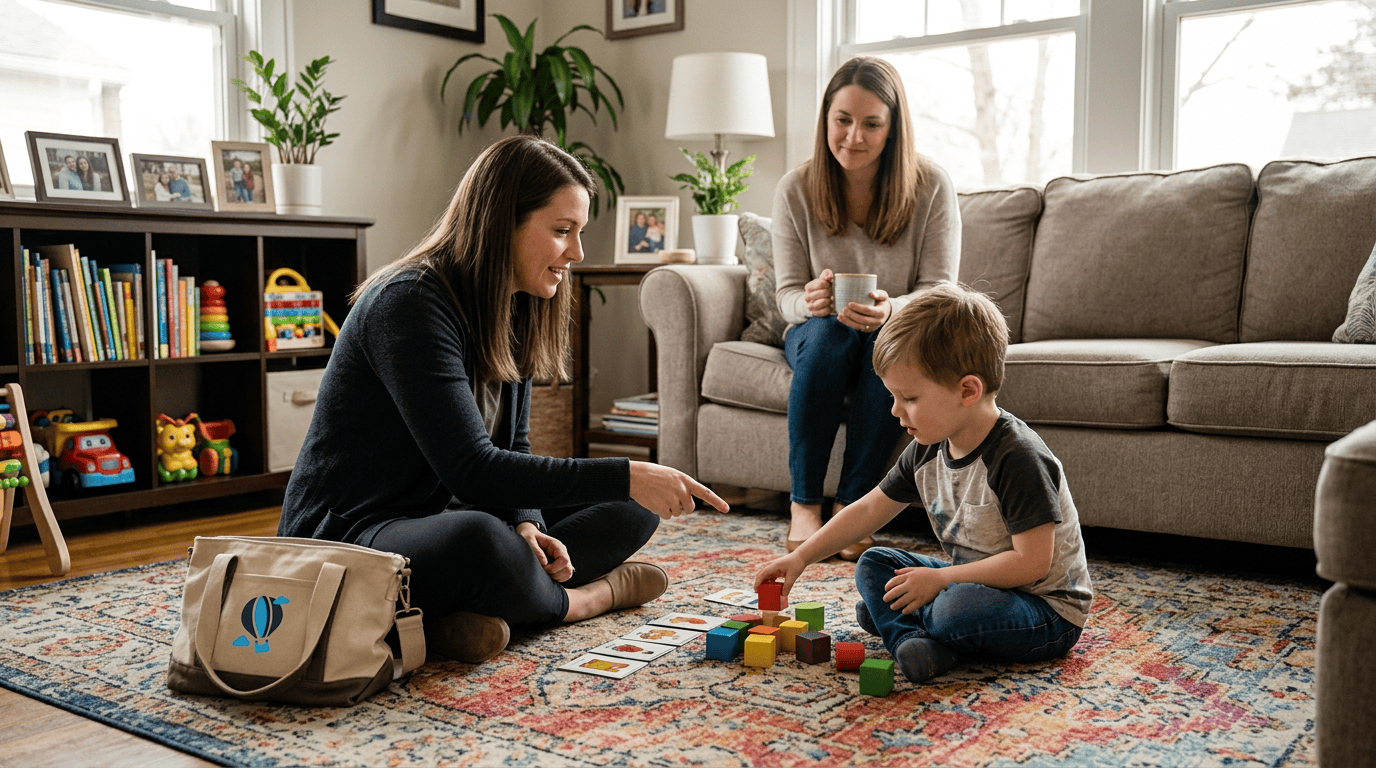
Home-based ABA therapy North Carolina and in-home ABA therapy North Carolina have gained popularity due to their convenience and ability to provide therapy in natural settings. These options allow therapists to observe and guide behavior in everyday environments, potentially improving generalization of skills.
Benefits of In-Home ABA Therapy
- Customized sessions based on family routines
- Reduced transportation challenges
- Increased comfort for the individual receiving therapy
- More opportunities for parent involvement and training
Cost Considerations
While in-home therapy may sometimes cost more per hour than clinic-based services, insurance coverage often applies equally, making it a viable option for many families.
Finding In-Home ABA Therapy Near Me
Families searching for “in-home ABA therapy near me” or “ABA therapy near me” in North Carolina can find providers through directories, insurance company networks, and local support organizations. It is advisable to verify providers’ credentials and insurance participation before beginning services.
How to Navigate Costs and Coverage
1. Consult with Providers
Before starting ABA therapy, discuss costs and insurance coverage with potential providers. Many therapy centers offer insurance verification services to help clarify what is covered.
2. Understand Your Insurance Policy
Review your insurance benefits handbook or speak to a representative to confirm coverage details for ABA therapy North Carolina.
3. Explore Financial Assistance
Some organizations and agencies may offer grants or sliding scale fees to help offset costs.
4. Plan for Ongoing Care
ABA therapy is often a long-term commitment. Budgeting for ongoing therapy and reassessing needs regularly ensures continuity of care.
The Role of Telehealth in ABA Therapy
In recent years, telehealth options have expanded access to ABA therapy in North Carolina. Virtual sessions can reduce costs related to travel and increase flexibility.
Families interested in telehealth services should check with providers about availability and insurance coverage for remote sessions.
Finding the Right ABA Therapy Provider in North Carolina
Choosing the right provider is as important as understanding costs and coverage. Here are some tips:
- Verify Board Certification and experience.
- Ask about experience with home-based and in-home ABA therapy.
- Confirm acceptance of your insurance plan.
- Request references or reviews from other families.
- Discuss therapy goals and how progress is measured.
Conclusion
Navigating the costs and coverage of North Carolina ABA services can seem overwhelming, but with the right information and resources, families can make informed decisions that support their loved one’s growth and development. Whether opting for clinic-based sessions or more flexible home-based and in-home options, understanding insurance mandates, costs, and coverage is key to accessing effective ABA therapy.
Families seeking ABA therapy near me in North Carolina should leverage insurance benefits, explore available service models, and connect with qualified providers to ensure comprehensive care.
If you are looking for home-based ABA therapy North Carolina or in-home ABA therapy near me, take the time to research and consult with multiple providers. This approach will help you find quality services that fit both your budget and therapeutic goals, making a meaningful difference in your journey.
At Ever Reach ABA, we provide tailored therapy that empowers children with autism to succeed throughout their lives. Our approach centers on people, not just metrics. We build a community of open communication, ensuring both families and staff are engaged and content. When everyone works together, real growth becomes possible.
FAQs
What is the average cost of ABA therapy in North Carolina?
The cost of ABA therapy in North Carolina typically ranges from $40 to $120 per hour, depending on factors such as the therapy setting, intensity, and provider qualifications.
Does insurance cover ABA therapy in North Carolina?
Yes, many private insurance plans in North Carolina cover ABA therapy due to state mandates. Coverage usually includes assessment, therapy sessions, and parent training, but it’s important to check the specific details of your policy.
Is ABA therapy covered by Medicaid in North Carolina?
Medicaid does provide coverage for ABA therapy for eligible individuals in North Carolina. Coverage criteria and approved providers can vary, so families should contact Medicaid or local agencies for specific information.
What is the difference between home-based and in-home ABA therapy?
Home-based and in-home ABA therapy generally refer to therapy provided in the individual’s residence. These services offer personalized support in a familiar environment and can sometimes cost more due to travel and individualized attention.
How do I find ABA therapy providers near me in North Carolina?
You can find ABA therapy providers by searching online directories, checking with your insurance network, or contacting local support organizations that specialize in behavioral services.
Does insurance cover in-home ABA therapy in North Carolina?
Many insurance plans that cover ABA therapy also cover in-home services. However, coverage limits and requirements may vary, so it’s important to verify with your insurance company.
Can I use telehealth for ABA therapy in North Carolina?
Yes, telehealth options for ABA therapy are becoming more available in North Carolina, providing flexible and often cost-effective ways to receive therapy remotely. Check with providers about availability and insurance coverage.
What should I look for when choosing an ABA therapy provider in North Carolina?
Look for certified professionals (such as BCBAs), experience with the specific needs of your loved one, insurance acceptance, and positive references. Also, ensure they offer the service settings you prefer, like in-home or clinic-based therapy.
How many hours of ABA therapy are typically recommended?
The recommended hours can vary widely depending on individual needs, ranging from a few hours per week to intensive programs of 20-40 hours per week. Your provider will help develop a tailored plan.
Are there financial assistance options for ABA therapy in North Carolina?
Some organizations and clinics offer sliding scale fees, grants, or other assistance programs to help families manage the cost of ABA therapy. It’s worth asking providers or local support groups for available resources.





 Website by
