

Starting Applied Behavior Analysis (ABA) therapy is an exciting step toward helping your child build new skills, improve communication, and thrive at home and beyond. At Ever Reach ABA, we understand that your child’s first in-home ABA session can bring a mix of emotions.
Knowing what the first session involves can help you feel confident and prepared as your child begins their ABA journey. Here’s what you can expect during that important first visit.
Preparing for the First Session
In-home ABA therapy in Utah are designed to take place in your child’s natural environment, making learning more comfortable and relevant to daily routines. Before your therapist arrives, you can take a few simple steps to help things run smoothly:
- Create a quiet, distraction-free space. Choose an area where your child can focus, away from loud noises or busy activity.
- Gather your child’s favorite items. Toys, snacks, or activities that your child enjoys can be used as reinforcers and positive rewards that encourage participation and success.
- Prepare any paperwork or information. You may be asked about your child’s routines, communication style, preferences, and areas of challenge.
Don’t worry about having everything perfect. The first session is about getting to know your child, not about structured learning just yet.
Meeting the Therapist and Building Rapport
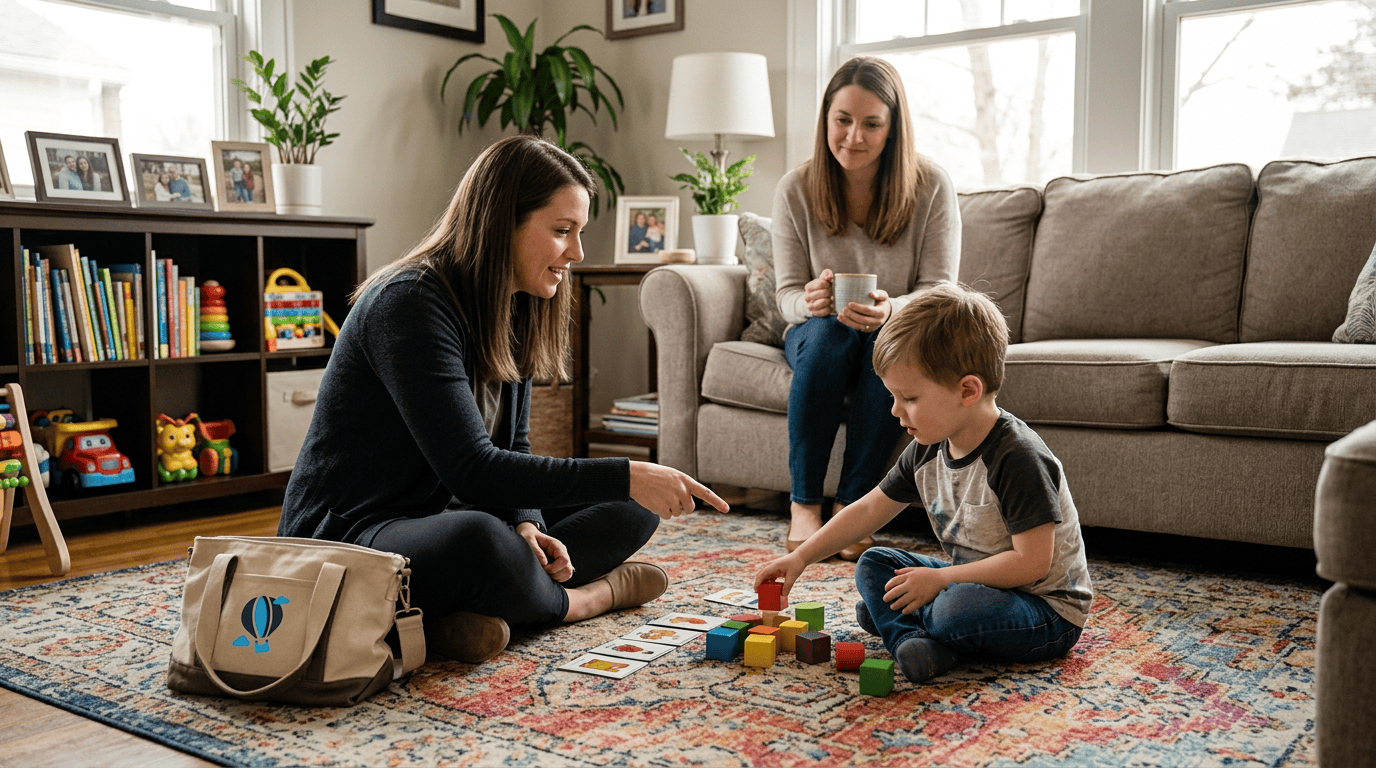
When your child’s therapist arrives, their first goal is to build a connection. They’ll spend time playing, talking, or engaging in simple activities that your child enjoys. This helps the child feel comfortable and safe, an essential foundation for successful therapy.
During this time, the therapist will also observe your child’s behavior or how they respond to instructions, interact with others, and communicate needs or emotions. These observations help the therapist understand your child’s strengths and areas for growth.
If you already have an assessment or behavior plan in place, the therapist may review it to ensure the strategies align with your child’s current needs.
Setting Goals and Expectations
ABA therapy is highly individualized. Once the therapist has gathered enough information, they’ll work with you to set clear and measurable goals for your child. These goals focus on areas that will make the biggest impact on your child’s everyday life.
For example:
- Improving communication, such as using words or gestures to ask for help
- Following simple directions or routines
- Reducing challenging behaviors like tantrums or self-stimulation
- Building social skills like sharing or turn-taking
You’ll be encouraged to share your priorities as a parent, ensuring that therapy goals align with your family’s values and daily challenges.
What Happens During the Session
Your child’s first in-home ABA session will include a mix of structured and play-based activities designed to keep learning fun and engaging. Here’s what that might look like:
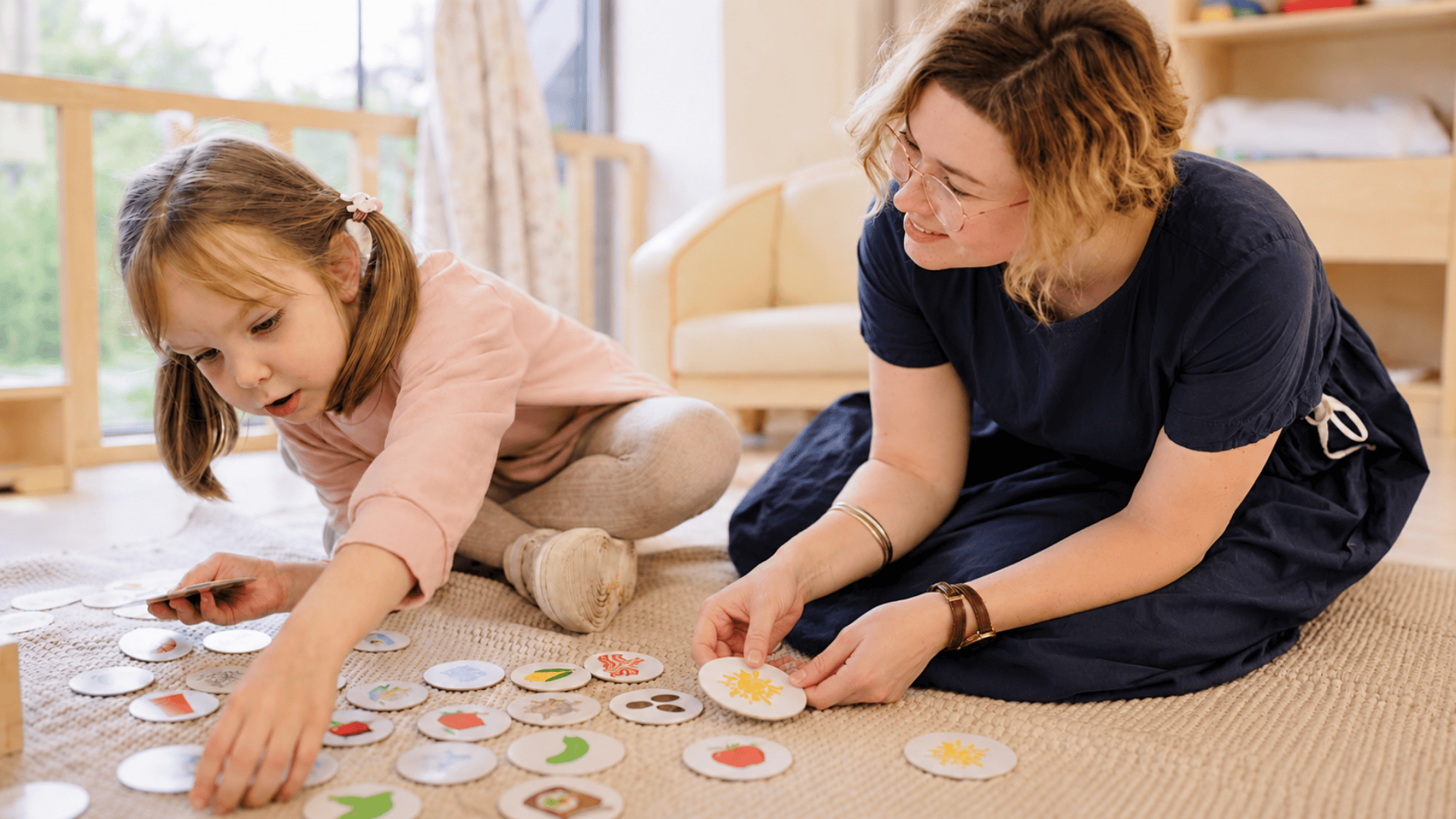
- Structured Activities: The therapist may introduce simple tasks or games that target specific skills. For instance, asking your child to identify colors or imitate sounds.
- Positive Reinforcement: Therapists use encouragement, praise, and rewards (like a favorite toy or snack) to reinforce desired behaviors and keep motivation high.
- Breaks and Flexibility: ABA sessions are dynamic. The therapist will balance focused learning with short breaks to prevent frustration or fatigue.
- Parent Observation: You may be invited to watch or participate. Seeing how the therapist interacts with your child helps you learn techniques to use throughout the week.
Remember, the first few sessions are about understanding your child’s learning style, not about achieving perfection.
Data Collection and Progress Tracking
Throughout the session, your therapist will take careful notes and record data on your child’s responses, engagement, and progress. This data might include:
- How often your child demonstrates a certain skill
- How long it takes to respond to instructions
- How consistent a behavior is across different situations
These observations form the foundation of your child’s treatment plan. As therapy continues, the data helps therapists identify what’s working and what strategies need adjustment.
At EverReach ABA, an ABA therapy in Utah, data collection isn’t just about numbers. It’s about understanding your child’s growth and celebrating each milestone.
After the Session: Debrief and Next Steps
Once the session ends, your therapist will take a few minutes to discuss the day with you. They may share:
- What went well during the session
- What goals were introduced or practiced
- How you can reinforce new skills between sessions
This collaboration ensures consistency between therapy sessions and daily routines.
You’ll also learn what to expect for upcoming sessions, such as how frequently therapy will occur, how goals will evolve, and how progress will be reviewed.
Tips for Parents
Starting ABA therapy is a learning process for both you and your child. Here are a few tips to help you make the most of the experience:
- Be patient. Every child learns at their own pace.
- Communicate openly. Share what’s working or what seems challenging. Your feedback is invaluable.
- Stay consistent. Reinforcing learned skills at home strengthens your child’s progress.
- Celebrate small wins. Even small steps forward are worth recognizing and celebrating.
Conclusion
Your child’s first in-home ABA session marks the beginning of an exciting journey toward growth and independence. While it may take time to adjust, each session brings your child closer to achieving meaningful milestones.
At EverReach ABA, we’re here to guide and support your family every step of the way with compassion, expertise, and a commitment to your child’s success. Contact us today to schedule your child’s first in-home ABA session and take the first step toward a brighter future.




 Website by
