

Key Points:
- Children with autism often struggle with social skills like conversation, eye contact, and making friends.
- Autism socialization issues vary widely, from difficulty understanding social cues to challenges in cooperative play.
- ABA therapy provides structured strategies to improve communication and interaction skills.
For many kids with autism, socializing feels like solving a puzzle without all the pieces. They might struggle to understand jokes, join conversations, or read facial expressions. These autism socialization issues can impact friendships, but with the right approach, kids can gain the confidence and skills they need to engage with others.

What Are Autism Socialization Issues?
Autism socialization issues refer to difficulties in engaging, interpreting, and responding to social interactions. Individuals with ASD may struggle with conversation skills, nonverbal communication, or understanding social norms.
Some common social challenges in autism include:
- Difficulty maintaining eye contact.
- Limited understanding of personal space.
- Trouble initiating or sustaining conversations.
- Difficulty interpreting facial expressions or tone of voice.
- Preference for solitary activities over group interactions.
While these challenges vary from person to person, they often impact friendships, school life, and daily interactions. Addressing social difficulties early can help children build essential skills for long-term success.

Why Do Individuals with Autism Struggle with Socialization?
Socialization issues in autism stem from differences in brain development that affect communication, sensory processing, and social understanding. Several key factors contribute to these difficulties:
- Challenges in Nonverbal Communication: Many children with ASD have difficulty interpreting body language, facial expressions, and tone of voice. They may miss subtle social cues that indicate emotions, making it harder to respond appropriately.
- Delayed or Atypical Speech Development: Some children with autism are nonverbal, while others develop speech later than their peers. Even verbal children may struggle with back-and-forth conversation, sarcasm, or abstract language.
- Rigid Thinking Patterns: Individuals with ASD often prefer routines and struggle with change. Social interactions, which are unpredictable and fluid, can be overwhelming or confusing.
- Sensory Processing Differences: Sensory sensitivities can make social environments—like loud classrooms or crowded playgrounds—uncomfortable. This discomfort may cause children to withdraw or avoid social situations.
- Difficulty with Empathy and Perspective-Taking: While people with autism experience emotions deeply, they may struggle with theory of mind—the ability to understand that others have different thoughts, feelings, and perspectives. This can make it harder to predict how others will react in conversations or group settings.
Understanding these underlying causes can help parents and educators develop targeted strategies to support children with ASD in social situations.
What Are Common Signs of Socialization Difficulties in Autism?
Children with autism experience social challenges in different ways, but certain behaviors are common. Recognizing these signs early can help parents and caregivers provide the right support.
- Limited Interest in Peers – Some children prefer solo activities and may not seek out friendships. They might watch others play but struggle to join in or engage meaningfully.
- One-Sided Conversations – A child may talk at length about their interests without noticing if the listener is engaged. They may also struggle with back-and-forth dialogue or changing topics.
- Difficulty with Nonverbal Cues – Facial expressions, body language, and tone of voice can be hard to interpret. This makes it challenging to understand emotions or respond appropriately in social situations.
- Struggles with Group Activities – Taking turns, sharing, and following unspoken social rules can be difficult. This may lead to frustration in structured environments like classrooms or playdates.
- Literal Interpretation of Language – Sarcasm, jokes, and implied meanings may be confusing. A child with autism may take phrases literally, which can make conversations harder to navigate.
- Repetitive Social Behaviors – Some children rely on scripted phrases or repeat lines from shows instead of engaging in spontaneous conversation. This can make interactions feel less natural or reciprocal.

How Can Parents Help a Child with Autism Improve Social Skills?
Helping a child with autism develop social skills takes time, patience, and consistent practice. Social interactions can feel overwhelming, but with the right support, children can learn to engage more comfortably. Parents play a crucial role in creating structured opportunities for their children to practice and grow.
1. Teach Social Skills Through Role-Playing
Practicing real-life social scenarios at home helps children prepare for interactions in the real world. Parents can role-play common situations, such as greeting a friend, ordering food, or asking for help. This method allows kids to practice responses in a safe, stress-free environment.
2. Encourage Small, Structured Playdates
Large groups can be overwhelming, so starting with one-on-one playdates can help. Choose a peer with shared interests and guide the interaction by setting up simple, structured activities. Supervise gently to encourage turn-taking, sharing, and conversation while keeping the experience positive.
3. Use Visual Supports and Social Stories
Social stories break down complex social situations into easy-to-understand steps. These stories, combined with visual aids like emotion charts, help children understand expectations and recognize social cues. Practicing these scenarios in advance increases confidence when faced with real interactions.
4. Model and Reinforce Positive Social Behaviors
Children learn by observing. Parents can model appropriate behaviors such as eye contact, active listening, and polite greetings. When a child makes an effort, positive reinforcement—like verbal praise or small rewards—can motivate them to keep practicing and improving.
How Can ABA Therapy Help with Socialization Issues?
Applied Behavior Analysis (ABA) is one of the most effective approaches for addressing social challenges in autism. ABA therapy helps children develop critical social skills in a structured and supportive environment. Here’s how:
- Teaches Social Cues: ABA breaks down complex social skills into simple, teachable steps, such as recognizing emotions or making eye contact.
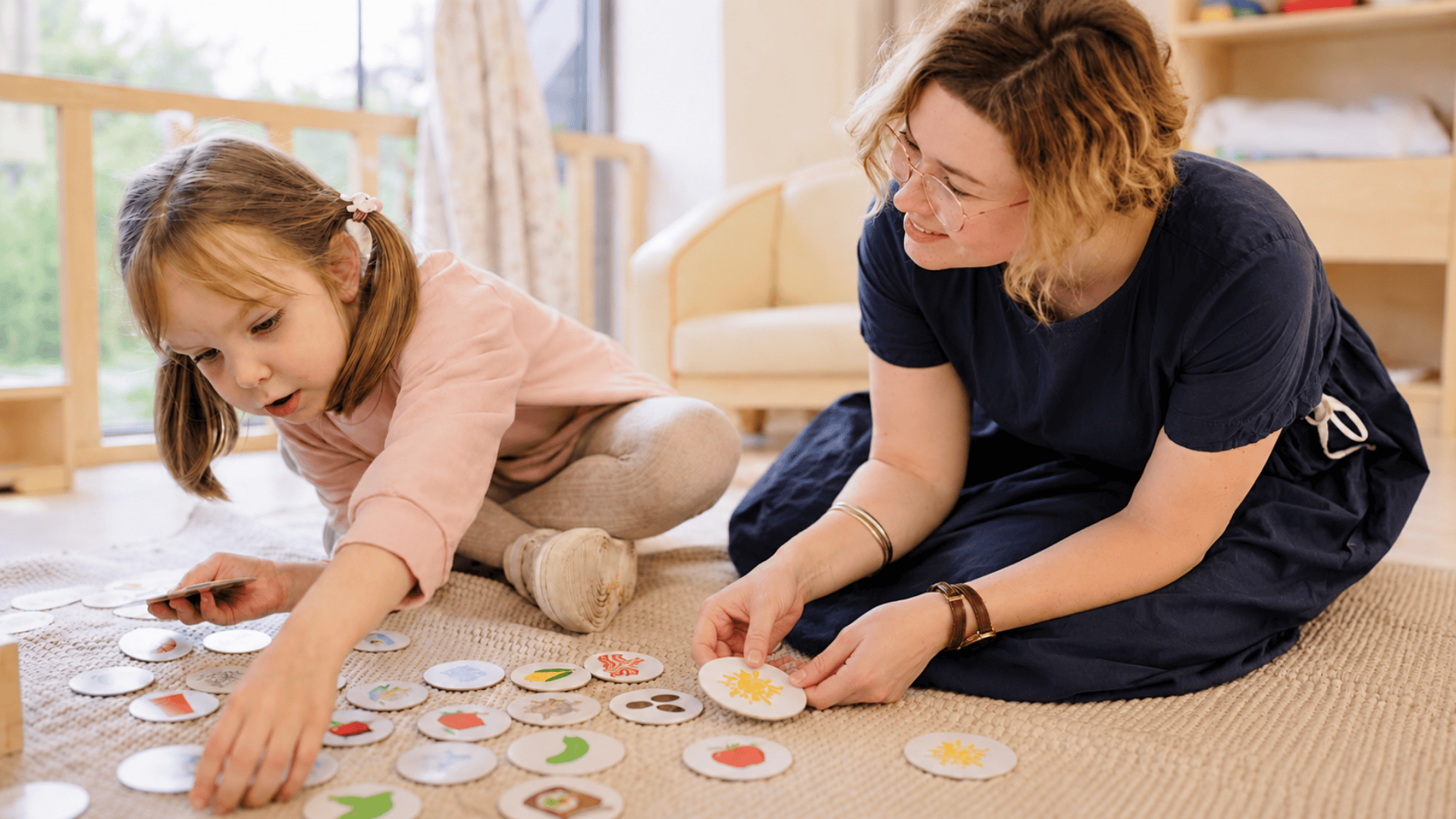
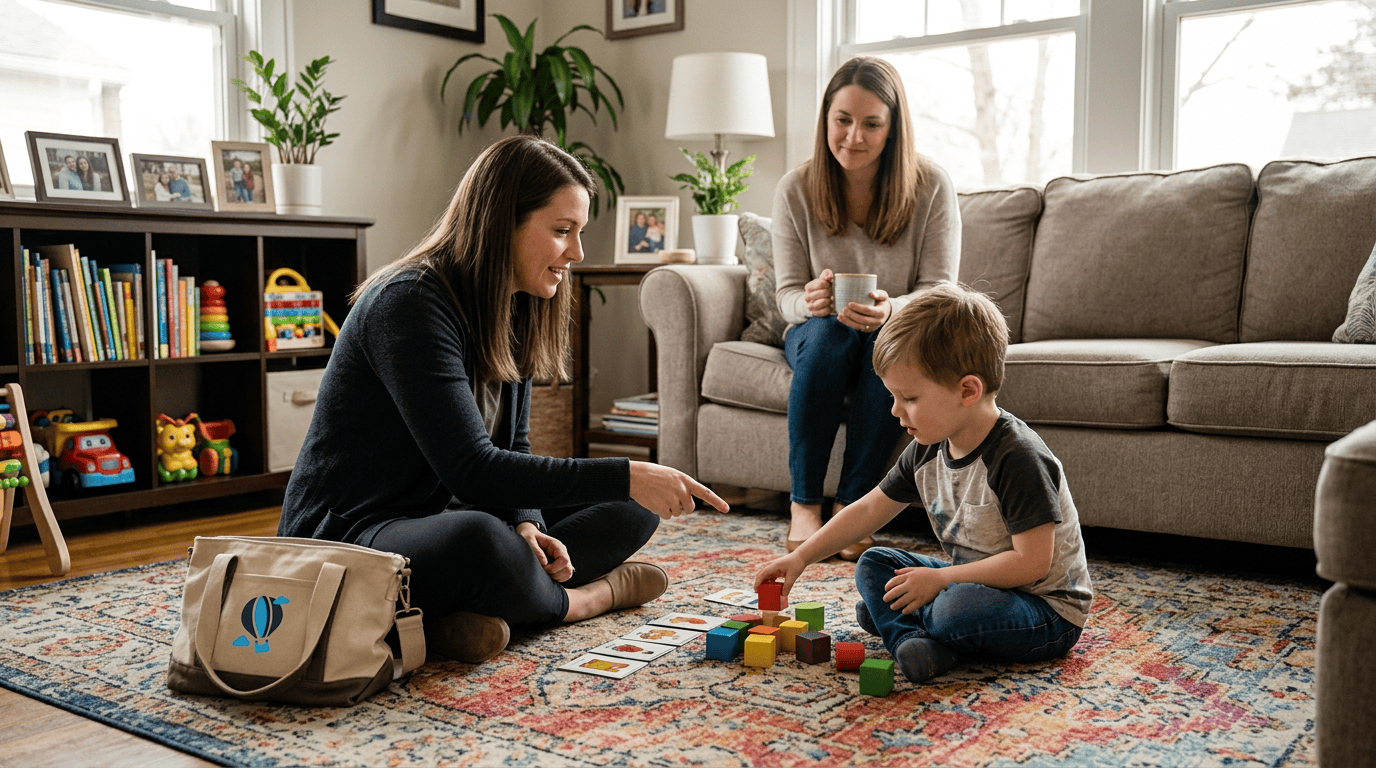
- Encourages Peer Interaction: Sessions often include guided play and role-playing to practice social engagement.
- Reinforces Positive Behavior: ABA therapists use positive reinforcement to encourage social participation.
- Customizes Support for Each Child: Individualized programs focus on each child’s specific needs and strengths.
Through consistent practice, children gain the tools they need to form meaningful connections and navigate social situations with more ease.
Support Your Child’s Social Growth with Ever Reach ABA
Socialization can be challenging for children with autism, but with the right support, progress is possible. Understanding autism socialization issues helps parents and caregivers implement effective strategies to build confidence and communication skills.
If your child struggles with social interactions, Ever Reach ABA is here to help. Our expert team provides individualized ABA therapy to teach essential social skills in a structured, engaging way. We focus on practical, real-world interactions to help children thrive in school, at home, and in the community.
We proudly offer ABA therapy services in Utah, North Carolina and surrounding areas. Contact us today to learn how our ABA therapy programs can support your child’s social development and overall success!




 Website by
