

For children with autism, everyday routines like getting dressed, eating breakfast, or going to bed can sometimes feel challenging. These moments are full of opportunities to build independence, confidence, and essential life skills. That’s where in-home ABA therapy comes in.
Applied Behavior Analysis (ABA) therapy helps children learn positive behaviors, communication skills, and social interactions through structured, evidence-based techniques. When therapy takes place at home, it becomes even more powerful because children get to practice these skills right where they live, play, and grow.
At EverReach ABA, our in-home ABA services in Utah are designed to help children thrive in their daily routines and develop the confidence they need to navigate everyday life.
Why Daily Routines Matter for Children with Autism
Daily routines provide a sense of comfort and predictability—something many children with autism deeply benefit from. Consistent schedules help reduce anxiety, improve transitions, and create a safe space where learning can happen naturally.
When children know what to expect whether it’s brushing their teeth after breakfast or reading before bed. Routines also help them practice important life skills repeatedly, turning small steps into lasting habits.
Through ABA therapy, these everyday moments become structured learning opportunities that support both independence and emotional well-being.
What Makes In-Home ABA Therapy Unique
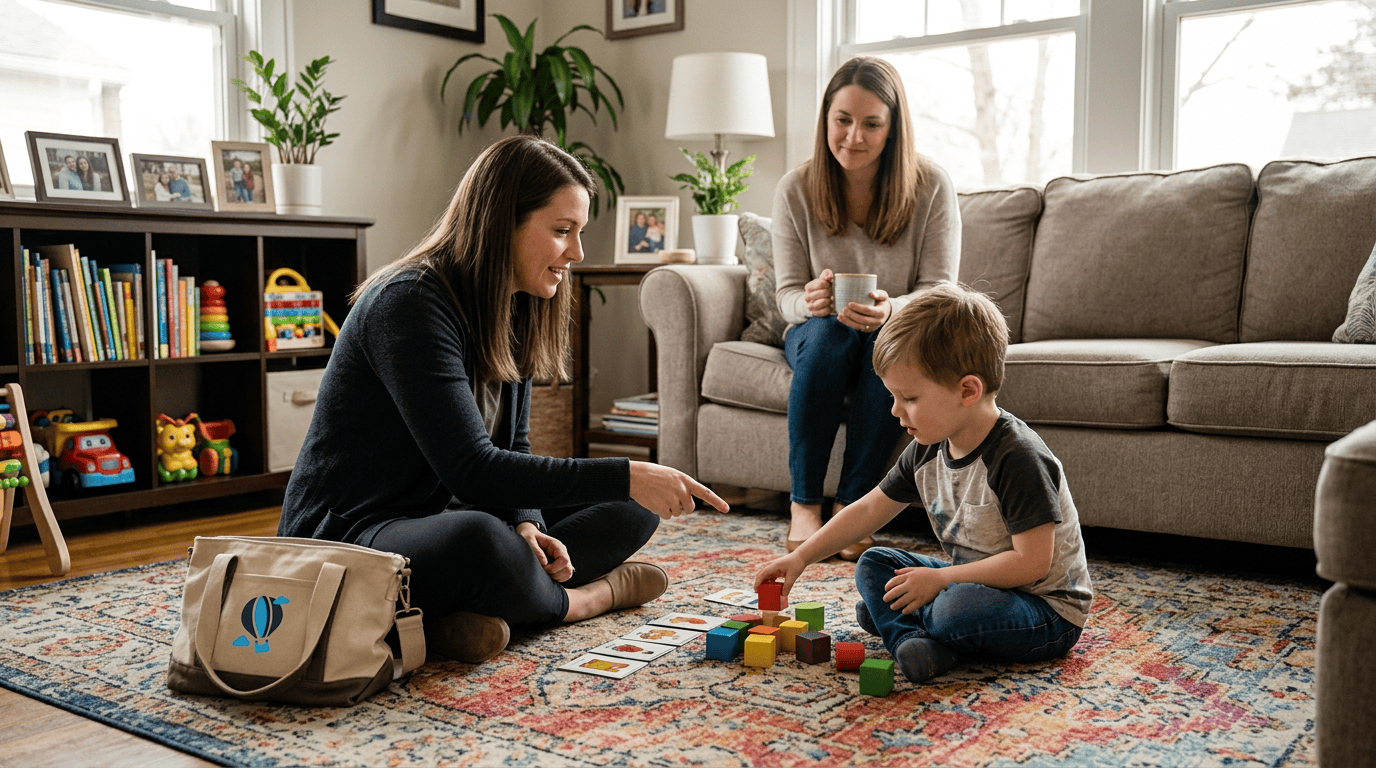
In-home ABA therapy offers a different experience from clinic-based sessions. While clinics provide structured environments, in-home therapy brings learning directly into the child’s natural setting.
Here are a few benefits that make in-home ABA unique:
- Familiar environment: Children learn best in spaces they recognize. At home, they can practice skills in real-life contexts, like getting ready in their own room or helping set the family table.
- Fewer distractions: Many children focus better when therapy takes place in a calm, familiar environment.
- Parent involvement: In-home therapy gives parents and caregivers a front-row seat to their child’s progress. Therapists coach families on how to apply ABA strategies during everyday activities, creating consistency and faster growth.
How Utah ABA Therapists Support Daily Routines at Home
Utah ABA therapists use positive reinforcement, structured teaching, and natural play to help children master daily living skills. Each child’s therapy plan is customized to their unique goals, abilities, and needs.
Here’s how in-home ABA can support various parts of the day:
1. Morning Routine Skills
Mornings can be one of the most hectic times for families. ABA therapists help children develop independence through step-by-step guidance.
For example, a therapist might use visual schedules or prompts to help the child:
- Brush their teeth
- Get dressed independently
- Pack their school bag
- Eat breakfast calmly
By breaking down tasks and rewarding effort, therapists make mornings smoother and more manageable for both children and parents.
2. Mealtime Skills
Mealtime can be stressful for families of children with autism, especially when picky eating or sensory sensitivities come into play.
In-home ABA sessions address these challenges by teaching:
- How to sit at the table and use utensils
- Trying new foods gradually
- Communicating preferences or requests using words or gestures
Therapists also work with parents to establish consistent mealtime routines that reduce frustration and encourage positive behavior.
3. Playtime and Social Interaction
Play is a natural and enjoyable way for children to learn communication and social skills.
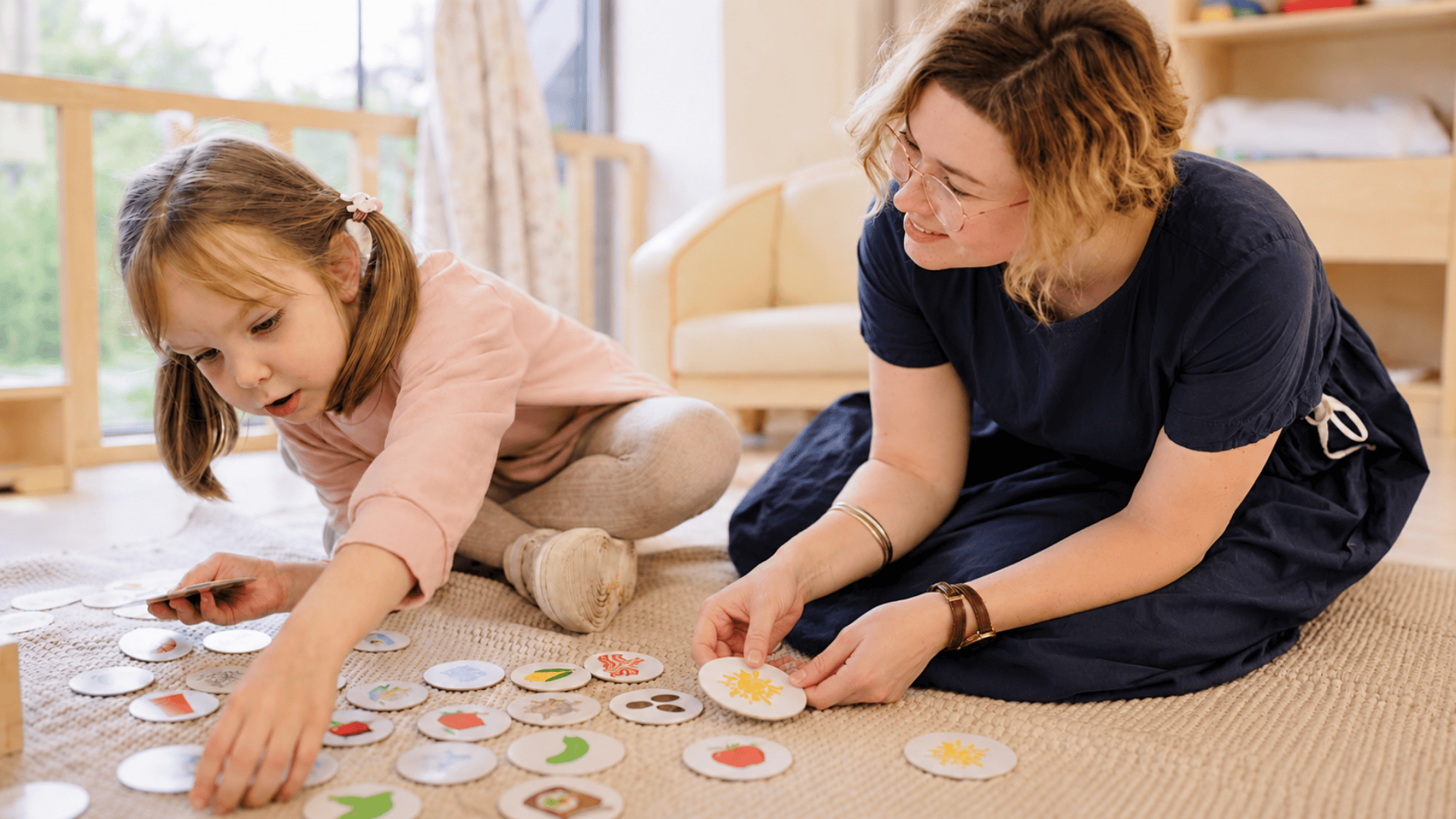
Through in-home ABA, therapists use play to teach essential skills like:
- Sharing and taking turns
- Asking for help
- Following directions
- Engaging in pretend play
Because the sessions happen at home, these skills easily transfer into everyday family playtime and interactions with siblings.
4. Homework or Learning Time
For school-age children, completing homework can sometimes lead to frustration or resistance.
ABA therapists help children improve attention, follow multi-step instructions, and stay motivated through reinforcement techniques. They may create structured learning areas at home and teach self-regulation strategies that make focusing easier.
These skills not only help with homework but also support success in school environments.
5. Bedtime Routine
A peaceful bedtime is essential for a child’s rest and overall well-being. ABA therapists help establish consistent nighttime routines that make transitions smoother.
They might use visual cues, calm-down strategies, and reinforcement systems to teach:
- Putting on pajamas
- Brushing teeth
- Reading or quiet time before bed
When bedtime becomes predictable and positive, children fall asleep more easily and families enjoy a calmer evening.
The Role of Parents and Caregivers in In-Home ABA
Parent involvement is one of the strongest predictors of success in ABA therapy. In-home sessions allow parents and caregivers to observe techniques in action and learn how to apply them outside therapy hours.
Therapists often coach families on:
- Using consistent reinforcement for good behavior
- Creating visual schedules and checklists
- Encouraging communication throughout the day
- Handling challenging behaviors calmly and effectively
This partnership ensures that progress continues even when the therapist isn’t present, helping skills become part of the child’s everyday life.
Why Utah Families Benefit from In-Home ABA
Utah families are discovering the advantages of in-home ABA therapy more than ever. With busy family schedules and the wide variety of environments across the state, having therapy come directly to the home makes care more accessible and personalized.
In-home ABA eliminates the need for travel, allows therapy to fit naturally into daily life, and provides families with hands-on tools to support their child’s development. It’s a flexible, family-centered approach that meets children where they are.
Helping Children Thrive Beyond Therapy
The ultimate goal of ABA therapy is not just learning skills but building confidence and independence that last a lifetime. By mastering daily routines, children gain a sense of accomplishment and self-reliance that helps them thrive in school, social situations, and beyond.
Every small success is a meaningful step toward independence and joy.
Conclusion
In-home ABA therapy in Utah provides a nurturing, familiar setting where children can learn essential life skills and practice them in real time. By focusing on everyday routines, therapists help children with autism grow more independent, confident, and capable of handling life’s daily challenges.
If you’re ready to help your child build independence and confidence at home, Ever Reach ABA is here to support your family every step of the way. Contact EverReach ABA today to learn how our in-home ABA therapy in Utah can help your child thrive every day.




 Website by
