

The first Applied Behavior Analysis (ABA) therapy session for your child is an exciting milestone, but it can also feel overwhelming. Many parents have questions: What will happen? How should I prepare? What if my child is anxious? Preparing ahead of time can make the experience smoother for both you and your child, ensuring the session is productive and comfortable.
This guide offers practical steps to help parents prepare for the first ABA session and set the stage for a positive, successful therapy journey.
Understand What ABA Therapy Involves
ABA therapy is a structured, evidence-based approach designed to teach children new skills, improve communication, and reduce challenging behaviors. Sessions are typically one-on-one, led by a trained therapist, and guided by data-driven goals tailored to your child’s needs.
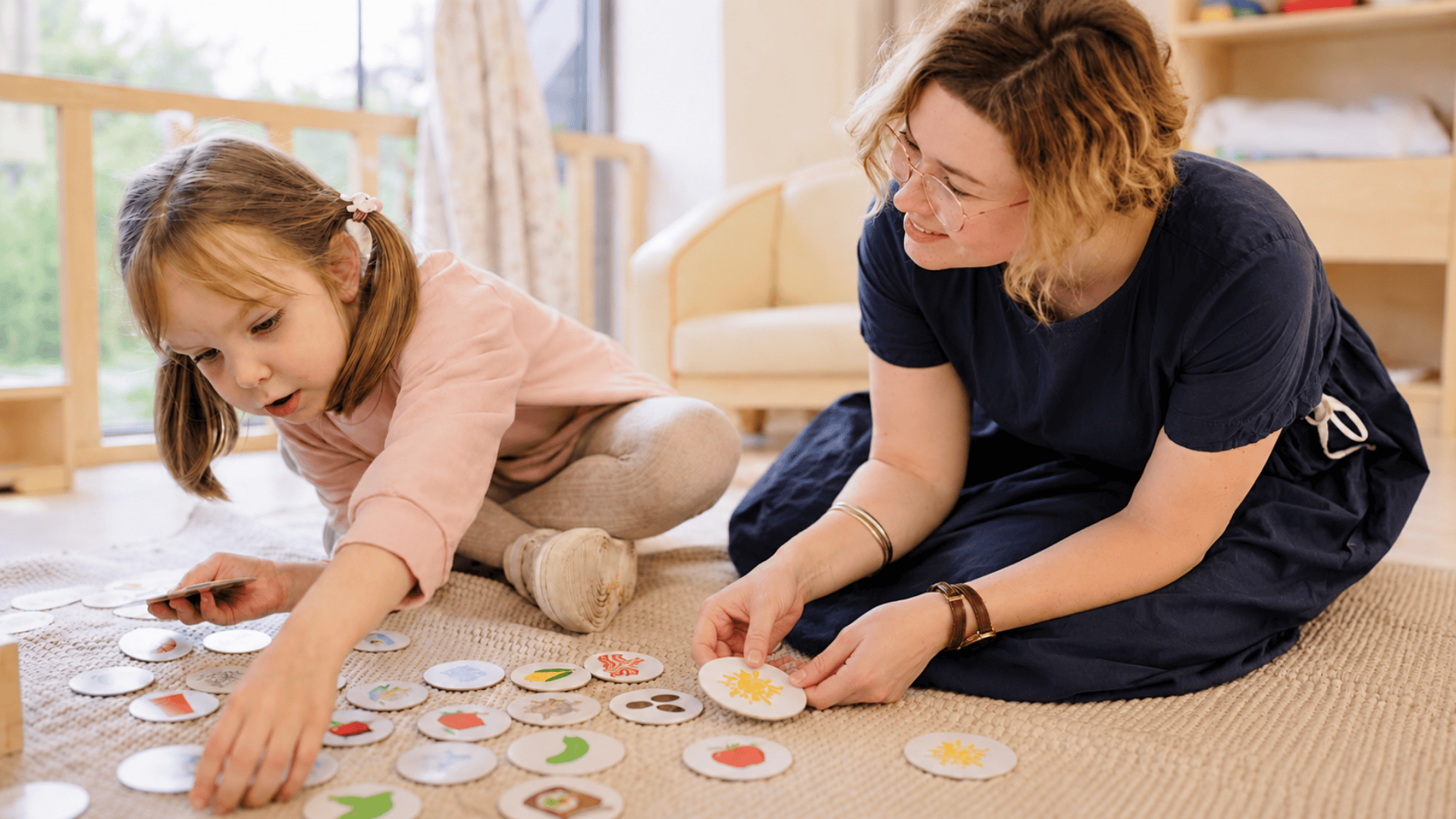
It’s important to understand that each ABA session may include a combination of activities such as skill-building exercises, behavioral reinforcement, and observation. Some activities may look like play, while others are more structured learning tasks. Parents who understand these components can better support their child’s experience.
Before your first session, consider doing a little research or speaking with the therapist about their approach. Knowing what to expect can help reduce anxiety and allow you to advocate for your child effectively.
Gather Relevant Information About Your Child
Every child is unique, and the more information the therapist has, the more personalized and effective the session will be. Bring any relevant documents, such as medical records, developmental assessments, or school reports, to the first session. These materials give the therapist insight into your child’s strengths, challenges, and learning history.
In addition, make a note of your child’s daily routines, likes and dislikes, triggers, and comfort items. Sharing these details helps the therapist tailor activities to your child’s preferences, creating a more positive experience. For instance, if your child is motivated by a particular toy or snack, the therapist can use it as a reinforcement tool during the session.
Think about any specific goals or concerns you’d like the therapist to focus on. Whether it’s improving communication, managing meltdowns, or learning a new self-care skill, clear priorities guide the session planning and ensure progress from the start.
Set Realistic Expectations
It’s natural to want immediate results, but ABA therapy is a gradual, individualized process. The first session is often about observation, building rapport, and collecting baseline data rather than teaching new skills.
Parents should focus on their child’s engagement, comfort, and willingness to participate rather than expecting instant progress. Each child’s pace is different, and small successes over time are the true markers of growth.
Remember, the first session is also an opportunity for you to learn about the therapy process, see the therapist’s methods in action, and ask questions. Keeping expectations realistic can reduce anxiety and foster a positive experience for everyone involved.
Prepare Your Child Emotionally and Practically
Helping your child feel ready for the first session can make a huge difference. Use simple, positive language to explain what ABA therapy is and what they can expect. You might say, “You’ll play some fun learning games with a new friend who will help you practice new skills.” Social stories or role-playing activities at home can also help reduce anxiety and familiarize your child with the routine.
On the day of the session, ensure your child is well-rested, fed, and dressed comfortably. These practical considerations can help them focus and participate fully. Some children benefit from bringing a favorite toy or comfort item, which can provide reassurance during new experiences. Check with the therapist beforehand to see if this is appropriate.
By preparing your child emotionally and practically, you set the stage for a smoother, more enjoyable first session.
Plan for Parent Involvement
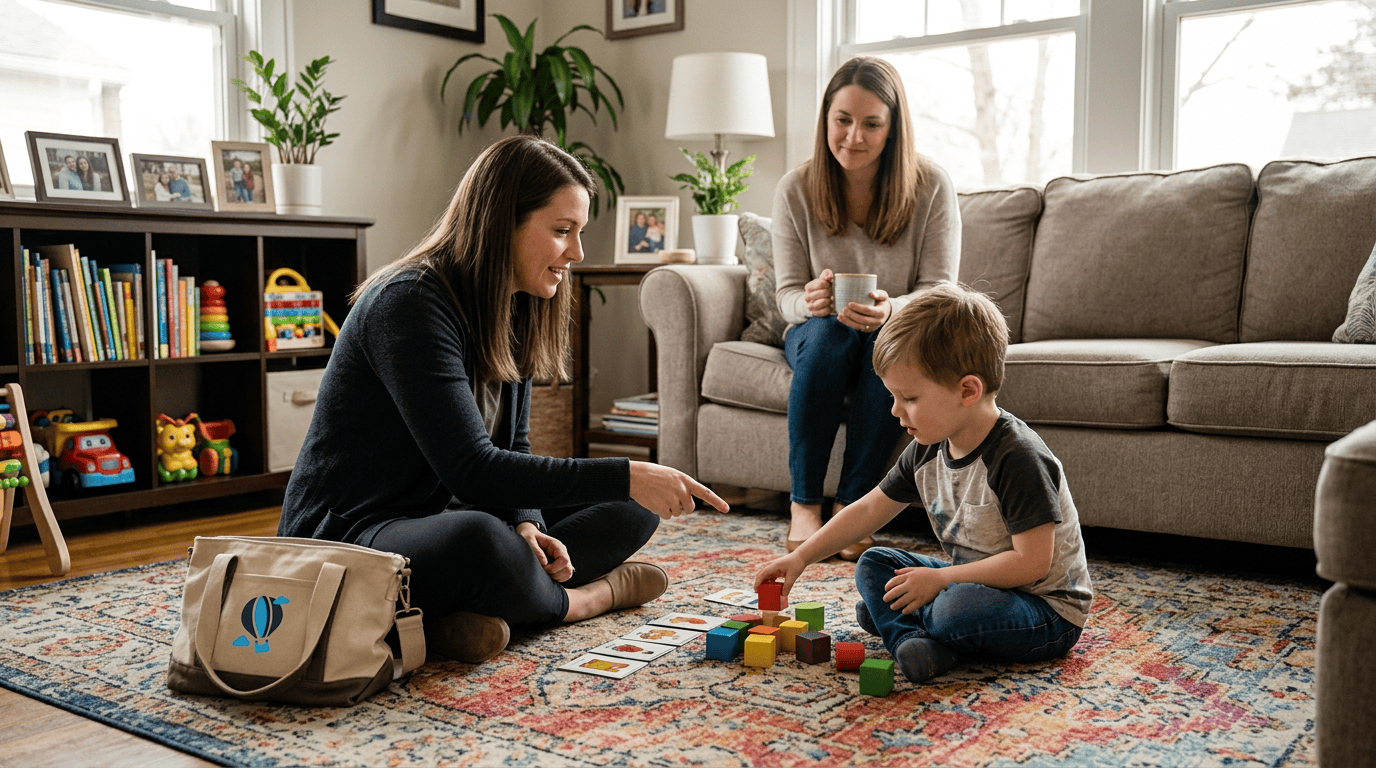
Many parents wonder how involved they should be during ABA sessions. In most cases, therapists encourage parents to observe and participate to some extent. Your role may include providing information about your child, assisting with transitions, or learning strategies to reinforce skills at home.
Consider preparing a list of questions for the therapist, such as:
- “How will progress be measured?”
- “What strategies work best for my child?”
- “How can I support learning between sessions?”
Open communication with the therapist helps build a collaborative relationship and ensures your child’s needs are met consistently across home and therapy settings.
Organize Logistics and Environment
Before the first session, double-check practical details. Confirm the session time, location, and any materials you may need to bring. For in-home sessions, ensure the space is quiet, organized, and free from distractions. For clinic-based sessions, ask about check-in procedures and expected duration.
Being prepared logistically helps the session run smoothly and allows the therapist to focus on your child. It also sets a calm tone for the experience, which can be reassuring for children who may be nervous in new environments.
Conclusion
The first ABA session is a stepping stone toward your child’s growth and development. While it’s natural to feel nervous, preparation can make the experience positive, productive, and even enjoyable. ABA therapy is a partnership between parents, children, and therapists from EverReach ABA. Open communication, patience, and consistency will ensure that each session builds toward meaningful progress. With the right preparation, your first ABA session can be a smooth, empowering experience for the whole family.




 Website by
