

Sports and physical activity play a vital role in childhood development, helping children build strength, coordination, social skills, and resilience. For kids with autism, these benefits can be especially transformative. Participation in structured physical activities not only supports overall health but also provides opportunities to improve communication, teamwork, and self-confidence. When combined with therapeutic supports like ABA therapy at home, these activities can become powerful tools for growth.
In this article, we’ll explore the ways sports and physical activity positively impact kids with autism, discuss the connection between therapy and exercise, and highlight how families can integrate these practices into daily life.
1. Building Physical Health and Fitness
Just like all children, kids with autism benefit from regular movement and exercise to maintain good health. Sports encourage cardiovascular endurance, muscle development, and flexibility. Activities like swimming, running, cycling, or martial arts help children stay active while having fun.
Beyond fitness, sports also provide structured routines, which can be particularly beneficial. Regular schedules help children know what to expect, lowering stress and building consistency in healthy habits. Families searching for ABA therapy near me often find that therapists recommend adding daily movement as part of the routine, as it supports overall developmental goals.
2. Enhancing Social Skills
Sports are a natural platform for teaching communication, cooperation, and teamwork. For kids with autism, social interaction may sometimes feel challenging, but physical activities provide a safe and supportive way to practice.
Through team sports like soccer, basketball, or baseball, children learn the importance of sharing, taking turns, and following group rules. Even individual sports like swimming or tennis involve interaction with coaches and peers, providing valuable opportunities to practice communication.
Pairing sports with behavioral therapy for kids in Utah or other supportive services can create an environment where social skill-building is reinforced both on and off the field. Therapists can guide families on how to maximize these opportunities for skill development.
3. Improving Focus and Attention
Physical activity has been shown to enhance concentration and reduce restlessness. For kids with autism, this can translate into better performance at school, during therapy sessions, and at home.
Activities like yoga, martial arts, and swimming require focus and discipline. Over time, children practicing these sports often display increased patience, better self-control, and longer attention spans. This can also support progress during ABA therapy at home, where following instructions and staying engaged are key to success.
4. Boosting Confidence and Self-Esteem
One of the most meaningful benefits of sports for kids with autism is the boost in confidence that comes from achieving personal goals. Whether it’s scoring a goal, completing a lap in the pool, or learning a new skill, accomplishments in sports build pride and self-belief.
Confidence gained in physical activity often transfers to other areas of life, such as schoolwork, friendships, and therapy participation. This sense of achievement empowers children to try new things, face challenges, and celebrate progress.
For families exploring aba therapy near me, integrating sports into the therapy plan can magnify confidence-building by reinforcing a child’s ability to succeed in different settings.
5. Reducing Stress and Promoting Emotional Well-Being
Exercise is a natural way to release stress and improve mood. For kids with autism, physical activity can provide an outlet for energy, helping them feel calmer and more balanced.
Activities such as running, dancing, or riding a bike allow children to express themselves physically while also stimulating the release of endorphins—natural mood boosters. Therapists often encourage families to incorporate these outlets into daily routines, alongside ABA therapy at home, to promote emotional well-being.
6. Supporting Family Bonding
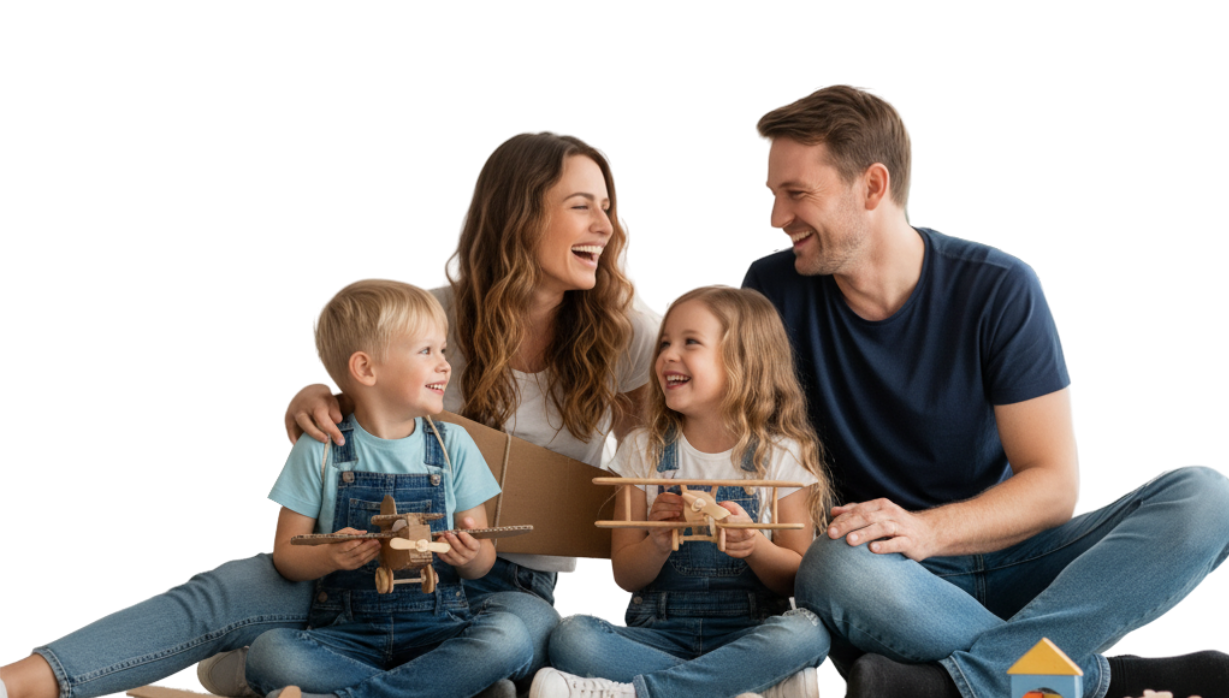
Sports and physical activities are wonderful opportunities for family bonding. Parents, siblings, and extended family members can join in, creating shared experiences and memories.
Simple activities like playing catch in the yard, going on hikes, or swimming together strengthen family connections while reinforcing important skills. Families engaged in behavioral therapy for kids in Utah often find that therapists encourage active family participation, emphasizing how sports can complement therapy goals.
7. The Role of Coaches and Inclusive Sports Programs
Coaches and instructors play an important role in shaping positive experiences for kids with autism. When trained in supportive approaches, coaches can adapt sports activities to meet each child’s unique needs, providing encouragement and guidance.
Inclusive sports programs are growing across the country, designed specifically for children with diverse learning styles and developmental needs. These programs emphasize participation, enjoyment, and skill development rather than competition, making them ideal for families seeking additional support beyond ABA therapy near me.
8. Integrating Sports with ABA Therapy
The combination of sports and therapeutic services like ABA therapy at home is especially powerful. Physical activity provides natural opportunities to practice skills targeted in therapy, such as communication, turn-taking, and following instructions.
Therapists often encourage parents to use sports as a teaching tool. For example, a game of basketball can be used to reinforce counting, teamwork, and patience. Similarly, martial arts can strengthen focus, respect for rules, and discipline. Families engaged in behavioral therapy for kids in Utah can ask their therapy providers how to integrate sports into treatment plans for even greater impact.

9. How Families Can Get Started
For families ready to explore sports and physical activity for their children, here are a few steps to begin:
- Start with your child’s interests: Choose activities that spark excitement, whether it’s swimming, dancing, or biking.
- Look for inclusive programs: Seek out community programs designed for kids with autism that focus on participation rather than competition.
- Work with therapists: Collaborate with your ABA therapy at home provider to align sports activities with therapy goals.
- Celebrate progress: Focus on effort and enjoyment rather than performance. Each small milestone is worth recognizing.
Families can also search for “rbt jobs near me” if they are interested in becoming more involved in the therapy field, as Registered Behavior Technicians (RBTs) often help children practice skills in everyday activities, including sports.
10. About Us – EverReach ABA
At EverReach ABA, we’re about people, not just the data and numbers. Our focus is to create an environment based on open communication, where families and staff are heard and happy. When we’re all reaching together for the same goals, real growth can happen.
We offer personalized therapy, giving children with autism the tools for life-long success. By combining therapies like ABA therapy at home with real-world opportunities such as sports and physical activity, we help families create an environment where children thrive.
Conclusion
Sports and physical activity are more than just ways to stay fit—they are powerful tools for growth, learning, and joy. For kids with autism, they provide opportunities to build social skills, improve focus, boost confidence, and strengthen family bonds. When paired with supportive services like ABA therapy near me or behavioral therapy for kids in Utah, these activities create a holistic approach that empowers children to thrive in every area of life.
By making sports a part of daily routines, families can help their children not only develop lifelong healthy habits but also experience the pride, resilience, and happiness that come from being active.
FAQs
Q1. How do sports help kids with autism improve social skills?
Sports encourage teamwork, communication, and cooperation. For kids with autism, playing in groups allows them to practice turn-taking, following instructions, and engaging with peers. Inclusive sports programs and guidance from therapy providers, such as those offering ABA therapy at home, can enhance these benefits.
Q2. Can physical activity support progress in ABA therapy?
Yes. Physical activities like swimming, martial arts, or team sports provide natural opportunities to apply the skills taught during ABA therapy at home. For example, children can practice focus, patience, and rule-following in a real-world setting, reinforcing what they learn during therapy sessions. Families often find this combination accelerates progress.
Q3. Are there specific sports that are especially beneficial for kids with autism?
Many sports can be helpful, depending on a child’s interests and comfort level. Swimming, martial arts, track, dance, and soccer are often recommended because they balance structure with fun. Families looking for behavioral therapy for kids in Utah or other areas can ask therapists for tailored recommendations that align with individual goals.
Q4. How can families integrate sports into daily life alongside ABA therapy?
Parents can schedule regular active time, like family walks, games of catch, or bike rides, to reinforce therapy goals. Collaborating with providers of ABA therapy near me can ensure sports activities are aligned with treatment plans. This integration helps children generalize skills such as communication, focus, and emotional regulation.
Q5. Can participating in sports improve a child’s confidence?
Absolutely. Success in sports—whether it’s learning a new skill, scoring a goal, or finishing a race—gives kids with autism a sense of pride and accomplishment. This confidence often carries over into school, home, and therapy. Coaches, families, and even professionals pursuing RBT jobs near me can play a role in reinforcing and celebrating these achievements.



 Website by
