

Teaching kindness and empathy to children is a foundational goal for many parents and caregivers. These qualities help kids build strong relationships, navigate social situations with ease, and grow into compassionate adults. But sometimes, children need structured support to develop these essential social skills. This is where in-home ABA therapy can make a transformative difference.
Applied Behavior Analysis (ABA) therapy has long been recognized as an effective approach to improving a wide range of behaviors in children. When conducted at home, it offers personalized, consistent, and naturalistic opportunities to cultivate kindness and empathy in young minds. In this article, we’ll explore how in-home ABA therapy works to develop these vital social skills, and why many families in Utah and beyond are seeking home-based solutions like home based ABA therapy Utah.
What is In-Home ABA Therapy?
Before diving into kindness and empathy development, it’s important to understand what in-home ABA therapy entails. ABA therapy is a scientifically validated method that uses positive reinforcement and behavior strategies to encourage desirable behaviors and reduce challenging ones.
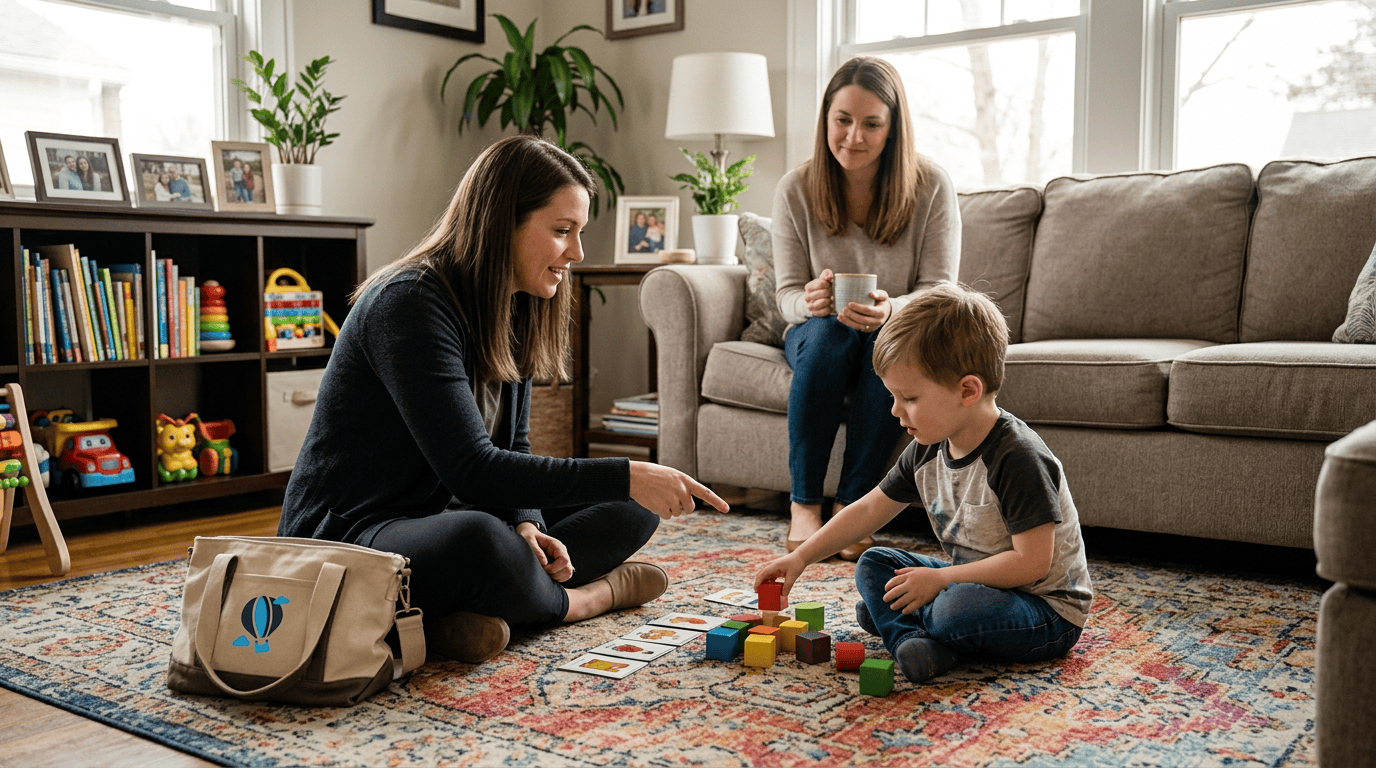
In-home ABA therapy involves trained therapists working with children in their everyday environments — their homes. This setting is often more comfortable and familiar, allowing kids to practice social skills in real-life contexts. Many families searching for in-home ABA therapy near me find that this option offers flexibility, individualized attention, and enhanced progress compared to clinic-based services.
Why Focus on Kindness and Empathy?
Kindness and empathy are two sides of the same social coin. Kindness is the action of being considerate and helpful toward others, while empathy is the ability to understand and share the feelings of another person. Together, these qualities enable children to:
- Build meaningful friendships
- Resolve conflicts peacefully
- Show care and concern in diverse situations
- Develop emotional intelligence that lasts a lifetime
For some children, naturally displaying kindness and empathy can be challenging. Through targeted support like ABA therapy, these skills can be taught, reinforced, and integrated into daily interactions.
How In-Home ABA Therapy Develops Kindness and Empathy
Personalized Social Skills Training
One of the core strengths of in-home ABA therapy Utah is its customization. Therapists observe the child’s unique behaviors and social challenges within the home environment, allowing them to tailor interventions that focus specifically on kindness and empathy.
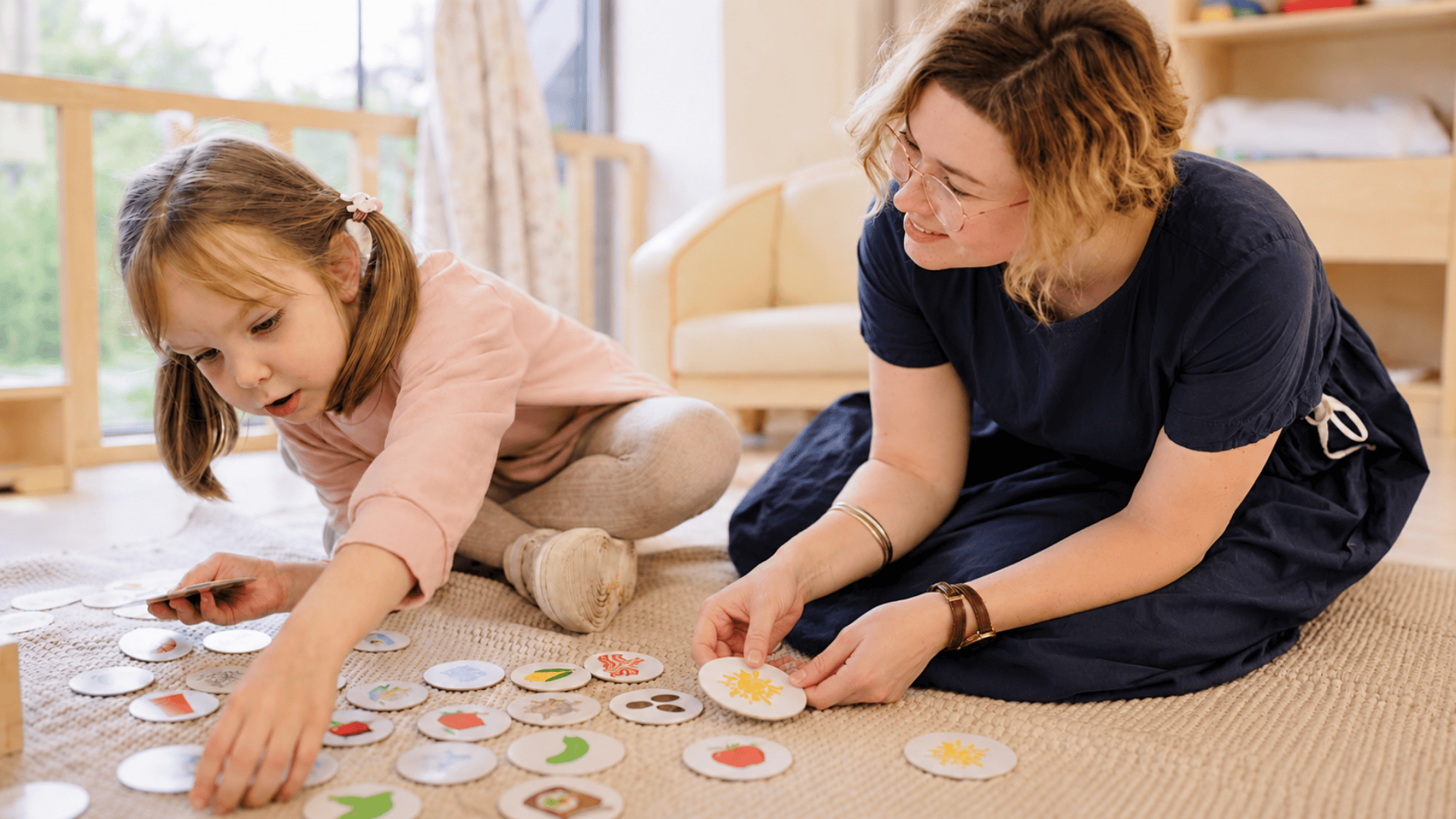
Therapists use role-playing, social stories, and interactive games to help children recognize emotions, practice sharing, and take turns. These exercises are reinforced with positive feedback, motivating children to repeat kind and empathetic actions.
Modeling and Prompting
Children learn a great deal through observation and imitation. ABA therapists model kind and empathetic behaviors during sessions, such as using polite language, offering help, or responding gently to others’ feelings. Therapists then use prompting techniques to encourage children to replicate these behaviors in appropriate contexts.
For example, a therapist might prompt a child to say “Are you okay?” if a family member appears upset or to offer a toy to a sibling. These small, consistent moments build the foundation for genuine kindness.
Natural Environment Teaching
Because home based ABA therapy Utah occurs in a child’s daily environment, therapists can integrate kindness and empathy lessons into routine activities. Whether it’s during mealtime, playtime, or family gatherings, opportunities for practicing social skills arise naturally.
This approach helps children generalize what they learn in therapy to various situations. For instance, a child may practice sharing snacks with a sibling or helping a parent with chores, reinforcing prosocial behaviors outside of structured lessons.
Reinforcement of Positive Behavior
A hallmark of ABA therapy is positive reinforcement. When children exhibit kind or empathetic behaviors, they receive immediate and meaningful rewards — whether praise, a favorite activity, or a small treat. This reinforces the value of kindness and encourages repetition.
Therapists work closely with families to identify effective reinforcers, ensuring children remain motivated to show empathy consistently. Over time, these prosocial behaviors become habits rather than responses to external rewards.
Benefits of Choosing In-Home ABA Therapy for Social Skills
Comfort and Familiarity
Many parents searching for ABA therapy near me are drawn to in-home options because children often feel more relaxed and open in their own space. This comfort reduces anxiety, allowing children to focus more effectively on learning and practicing kindness.
Consistent Practice
In-home therapy promotes frequent and consistent practice of social skills within the child’s natural environment. This frequent exposure helps children internalize behaviors better than occasional clinic visits.
Family Involvement
In-home therapy encourages greater family participation. Parents and siblings can observe sessions, learn strategies, and practice kindness-building exercises together. This holistic involvement strengthens the child’s support system.
Flexibility and Convenience

Scheduling therapy at home removes logistical challenges like travel and unfamiliar settings. This convenience often leads to higher engagement and faster progress.
Practical Tips for Families to Support Kindness and Empathy Development
While professional ABA therapy provides expert guidance, families play a crucial role in reinforcing kindness and empathy. Here are some practical tips to complement in-home ABA therapy:
Model Kindness Daily
Children learn by watching adults. Show kindness in your interactions — say “please” and “thank you,” help neighbors, and speak respectfully. Your behavior sets the tone.
Encourage Perspective-Taking
Help your child think about how others might feel in different situations. Ask questions like, “How do you think your friend felt when you shared your toy?”
Praise Kind Acts
Acknowledge and praise your child when they demonstrate empathy or kindness, no matter how small. Positive reinforcement from parents amplifies therapeutic efforts.
Read Books on Emotions and Friendship
Stories are powerful tools for teaching empathy. Choose books that highlight understanding others’ feelings and the importance of kindness.
Practice Problem-Solving Together
Guide your child in resolving conflicts with empathy. Ask them how they would feel if roles were reversed and brainstorm kind solutions.
Finding the Right In-Home ABA Therapy Provider
If you’re considering in-home ABA therapy Utah or searching for in-home ABA therapy near me, it’s essential to find a provider who understands your child’s needs and family dynamics. Here are key factors to consider:
- Credentials and Experience: Ensure therapists are certified and experienced in teaching social skills like kindness and empathy.
- Individualized Plans: Look for providers who create personalized treatment plans based on your child’s behaviors and home environment.
- Family Collaboration: Choose providers who actively involve families in therapy and provide training for continuing support.
- Flexible Scheduling: Select programs that can adapt to your family’s schedule for consistent sessions.
- Positive Reviews and Referrals: Research provider reputations through reviews and word-of-mouth recommendations.
Conclusion
Developing kindness and empathy in children is an investment in their emotional and social future. Through in-home ABA therapy, children receive tailored, supportive instruction right in their familiar surroundings, helping them learn these invaluable skills naturally and effectively.
If you’re exploring options like home based ABA therapy Utah or searching for ABA therapy near me, consider the benefits of in-home services. With personalized care, family involvement, and natural opportunities for practicing kindness, your child can flourish into a compassionate individual ready to build meaningful relationships and navigate the world with empathy.
Ever Reach ABA offers individualized support for children with autism, providing tools they need for lasting success. Our mission goes beyond numbers—we cultivate a culture of open dialogue and mutual respect among families and staff. Together, we reach new milestones.
FAQs
What is in-home ABA therapy?
In-home ABA therapy is a specialized behavioral intervention delivered by certified therapists in a child’s home environment. It focuses on teaching and reinforcing positive behaviors, including social skills like kindness and empathy, through personalized, naturalistic approaches.
How does in-home ABA therapy help develop kindness and empathy in kids?
In-home ABA therapy uses techniques like role-playing, modeling, and positive reinforcement to teach children how to recognize emotions, respond kindly, and understand others’ feelings. Practicing these skills in familiar settings helps children generalize kindness and empathy to everyday situations.
What are the benefits of home based ABA therapy Utah?
Home based ABA therapy Utah provides personalized care tailored to each child’s needs, delivered in a comfortable and familiar environment. This setting allows for consistent practice of social skills like empathy, encourages family involvement, and offers greater flexibility in scheduling.
How can I find in-home ABA therapy near me?
To find in-home ABA therapy near me, start by researching local ABA providers with experience in social skills development. Check online reviews, ask for referrals from pediatricians or schools, and ensure the providers offer customized programs that focus on kindness and empathy.
Can ABA therapy near me support my child’s social development?
Yes. ABA therapy near me often includes targeted strategies to enhance social skills, including kindness and empathy. Through individualized interventions, children learn to interact positively, understand others’ emotions, and build meaningful relationships.
How involved do parents need to be in in-home ABA therapy?
Parental involvement is vital in in-home ABA therapy. Therapists often train parents to reinforce kindness and empathy skills throughout daily routines, ensuring consistency and helping children apply what they learn beyond therapy sessions.
How long does it take for in-home ABA therapy to impact kindness and empathy?
The timeline varies depending on the child’s starting point and consistency of therapy. Many families notice improvements within a few months, especially when therapy is frequent, tailored, and supported by family involvement.
Are in-home ABA therapy sessions flexible with family schedules?
Yes. One of the advantages of in-home ABA therapy is scheduling flexibility. Therapists work with families to arrange sessions at convenient times, which helps maintain consistency and reduces disruption to daily life.
Is in-home ABA therapy covered by insurance in Utah?
Coverage depends on the specific insurance plan and provider. Many insurance companies in Utah do cover ABA therapy services, including in-home options. It’s best to check with your insurance provider and the ABA therapy provider about coverage and billing.
How do I know if in-home ABA therapy is the right choice for my child?
If your child benefits from personalized social skills support in a familiar environment, and if you want active family involvement, in-home ABA therapy is often an excellent option. Consulting with a behavioral specialist can help determine the best fit for your child’s needs.



 Website by
