

Creating a supportive learning environment at home can make a significant difference for children receiving ABA (Applied Behavior Analysis) therapy. ABA focuses on teaching skills, reinforcing positive behaviors, and reducing challenging behaviors through structured, consistent, and personalized approaches.
While therapy often takes place in clinics, having a dedicated ABA-friendly space at home ensures children can practice skills, maintain routines, and feel comfortable learning in a familiar environment.
In this guide, we’ll walk you through practical steps for setting up an ABA-friendly learning space at home to support your child’s progress.
Understand the Core Principles of ABA
Before setting up a learning space, it’s helpful to understand the key principles of ABA therapy. At its core, ABA uses structured teaching, positive reinforcement, and repetition to help children develop social, communication, and academic skills. Children thrive in environments that are predictable and organized, where expectations are clear, and distractions are minimized.
A well-designed learning space supports these principles by offering a consistent, safe, and engaging area where children can focus on learning, practice new skills, and experience success.
Choosing the Right Location
Selecting the right spot in your home is the first step in creating an effective learning environment. Ideally, the space should be:
- Quiet and low-traffic: Away from busy areas of the house to reduce distractions.
- Consistent: Using the same location regularly helps children predict routines and feel secure.
- Well-lit and comfortable: Natural lighting is ideal, but soft artificial lighting works well too. Comfortable seating at the right height ensures children can focus without discomfort.
Consistency in location can improve engagement and make transitions smoother during therapy sessions.
Organizing the Space
A clutter-free and organized space is essential for maintaining focus. Consider the following tips:
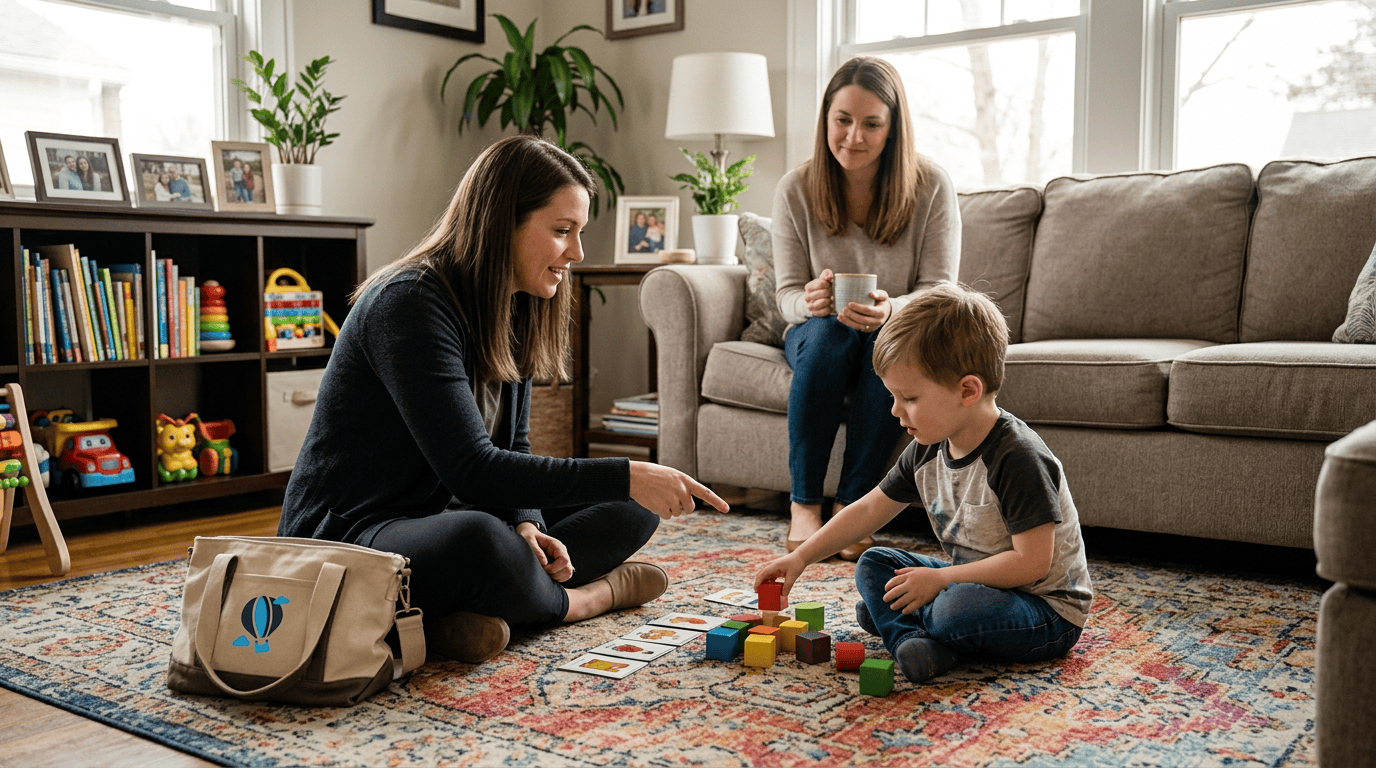
- Divide the space into zones: Create separate areas for learning, play, and calm-down activities. This helps the child understand where different activities happen.
- Use labeled storage: Clear bins and labeled shelves make it easy for children to find and return materials, encouraging independence.
- Visual supports: Include visual schedules, charts, or timers to guide routines and transitions. Children can see what comes next, which reduces anxiety and increases participation.
- Limit distractions: Remove unnecessary toys or objects that are not relevant to ABA activities.
Organizing the space with clear purpose and structure helps children focus on tasks and builds a sense of order.
Selecting Appropriate Materials and Tools
The tools in an ABA learning space should support daily routine learning, engagement, and positive behavior reinforcement. Examples include:
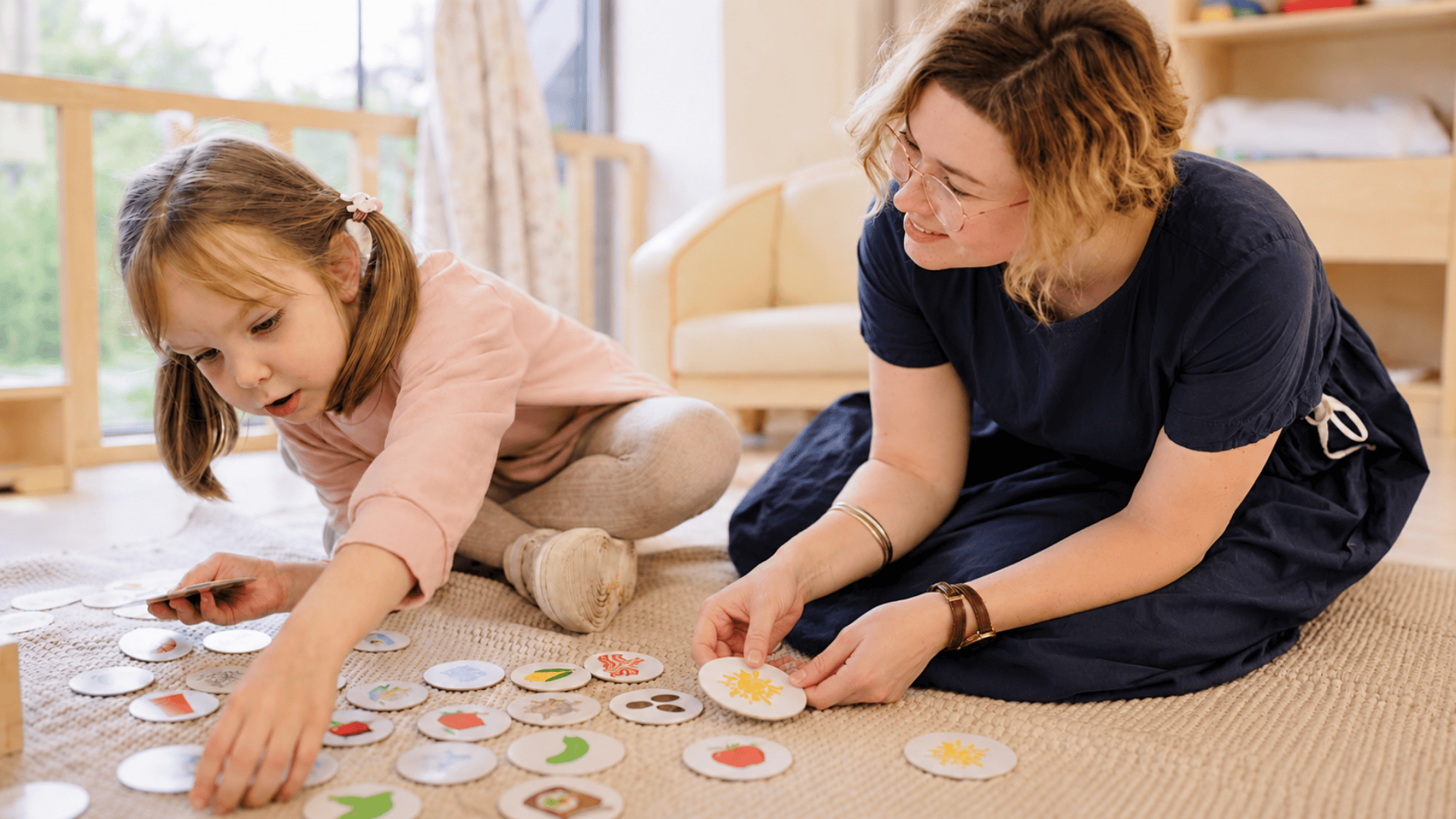
- Learning tools: Flashcards, educational manipulatives, sorting games, and worksheets.
- Technology: Tablets or computers can be helpful for learning apps or video modeling, but screen time should be supervised and structured.
- Sensory supports: Fidget toys, weighted blankets, or sensory cushions help children self-regulate and stay engaged.
- Reinforcement items: Small rewards like stickers, tokens, or preferred toys encourage motivation and track progress.
Setting Up a Structured Routine
Routine is a cornerstone of ABA therapy. Setting up a clear, predictable schedule at home helps children know what to expect and reduces frustration.
- Daily sessions: Establish consistent times for learning, play, and breaks.
- Visual cues: Use timers or visual indicators to mark session start and end.
- Balanced structure: Include short breaks to prevent fatigue and maintain attention, especially for younger children.
A predictable routine fosters independence, improves focus, and makes learning more enjoyable.
Creating a Positive, Engaging Environment
A learning space should be welcoming and motivating. Consider these tips:
- Minimize distractions: Keep walls and surfaces clear of unnecessary visuals.
- Incorporate the child’s interests: Use favorite characters, colors, or themes in learning materials to boost engagement.
- Encourage independence: Allow children to access materials and manage tasks within the space with guidance, promoting confidence and self-sufficiency.
Safety and Comfort Considerations
Safety and comfort are critical in a learning space. Ensure that:
- Furniture is age-appropriate, stable, and free from sharp edges.
- Electrical outlets, cords, and small objects are secured or out of reach.
- Seating is comfortable and supports good posture.
- Sensory accommodations, like noise-canceling headphones or soft lighting, are available if needed.
Conclusion
Setting up an ABA-friendly learning space at home doesn’t have to be complicated. By choosing the right location, organizing the space, selecting appropriate materials, establishing routines, and creating a positive environment, you can provide a foundation that supports your child’s growth and success.Here at EverReach ABA, we believe that every child is unique, so it’s important to tailor the space to their needs, interests, and abilities. With a thoughtful setup, your home can become a place where learning, skill-building, and confidence thrive, helping your child make the most of their ABA therapy both at home and beyond.



 Website by
