

Key Points:
- Modeling in ABA therapy involves demonstrating desired behaviors so individuals can learn through observation.
- It is effective for teaching social, communication, and life skills by providing clear, repeatable examples.
- Different types of modeling, including live and video modeling, help reinforce learning.
Kids don’t just learn by being told—they learn by seeing. Whether it’s saying “thank you” or following a routine, watching someone else do it first makes all the difference. Modeling in ABA therapy taps into this natural learning process, making it easier for kids to pick up new skills.
What is Modeling in ABA Therapy?
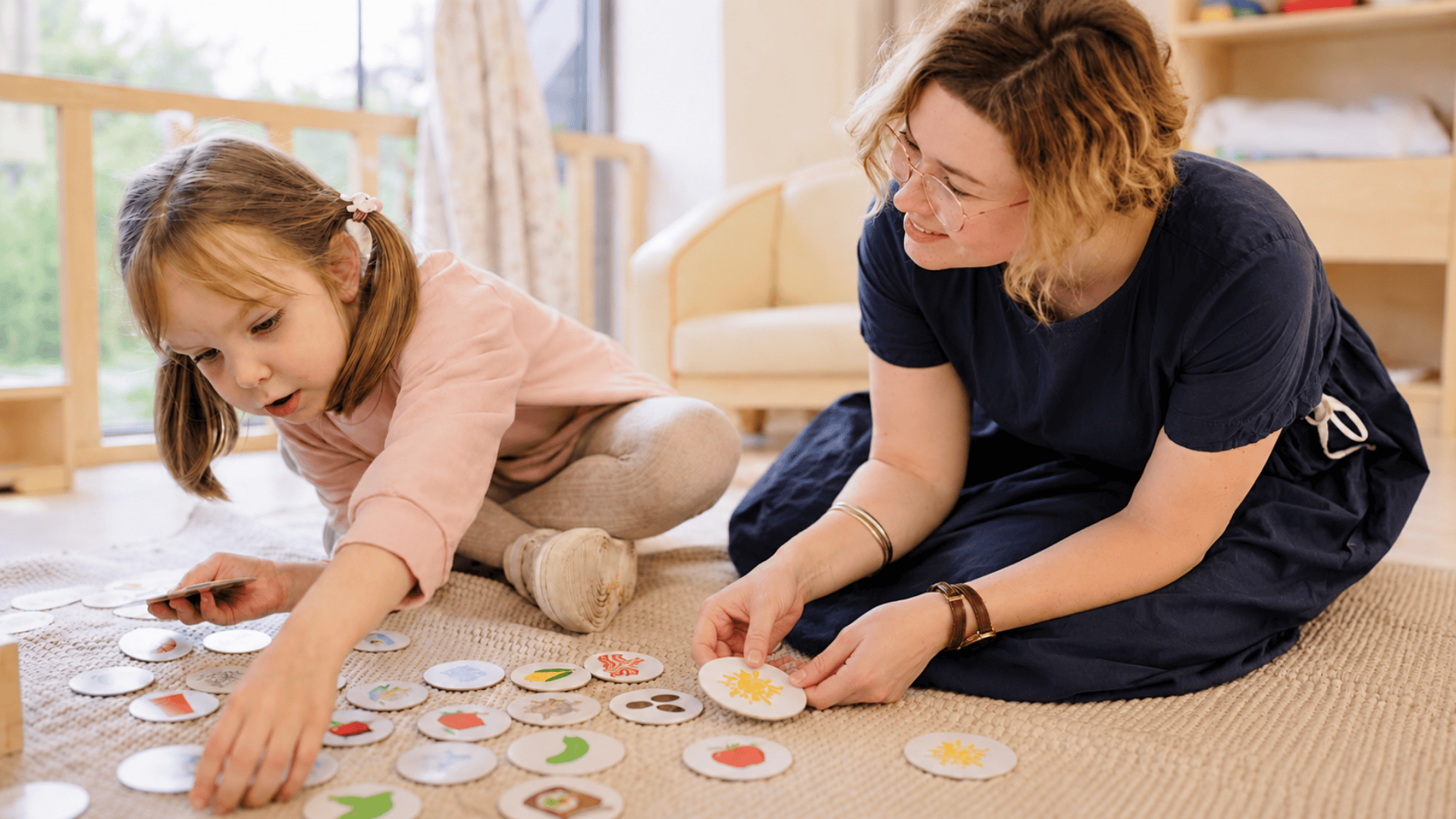
Modeling in ABA therapy is a teaching method where a therapist, teacher, or peer demonstrates a desired behavior, allowing the learner to observe and imitate the action. This technique is commonly used to teach social skills, communication, play behaviors, and daily living tasks.
For example, a therapist might model eye contact and greeting behaviors to help a child improve social interactions. Similarly, a parent might demonstrate brushing teeth step-by-step to encourage independent hygiene habits. Modeling makes learning more accessible by providing a visual and interactive way to acquire new skills.
Why is Modeling Effective in ABA?
Modeling works well in ABA therapy because it aligns with how children naturally learn—by watching others. It helps break down complex behaviors into manageable steps, making them easier to understand and replicate. Here’s why it is highly effective:

What Are the Different Types of Modeling in ABA?
There are several types of modeling used in ABA therapy, each suited to different learning styles and needs. Choosing the right type depends on the child’s abilities and the skill being taught.
1. Live Modeling
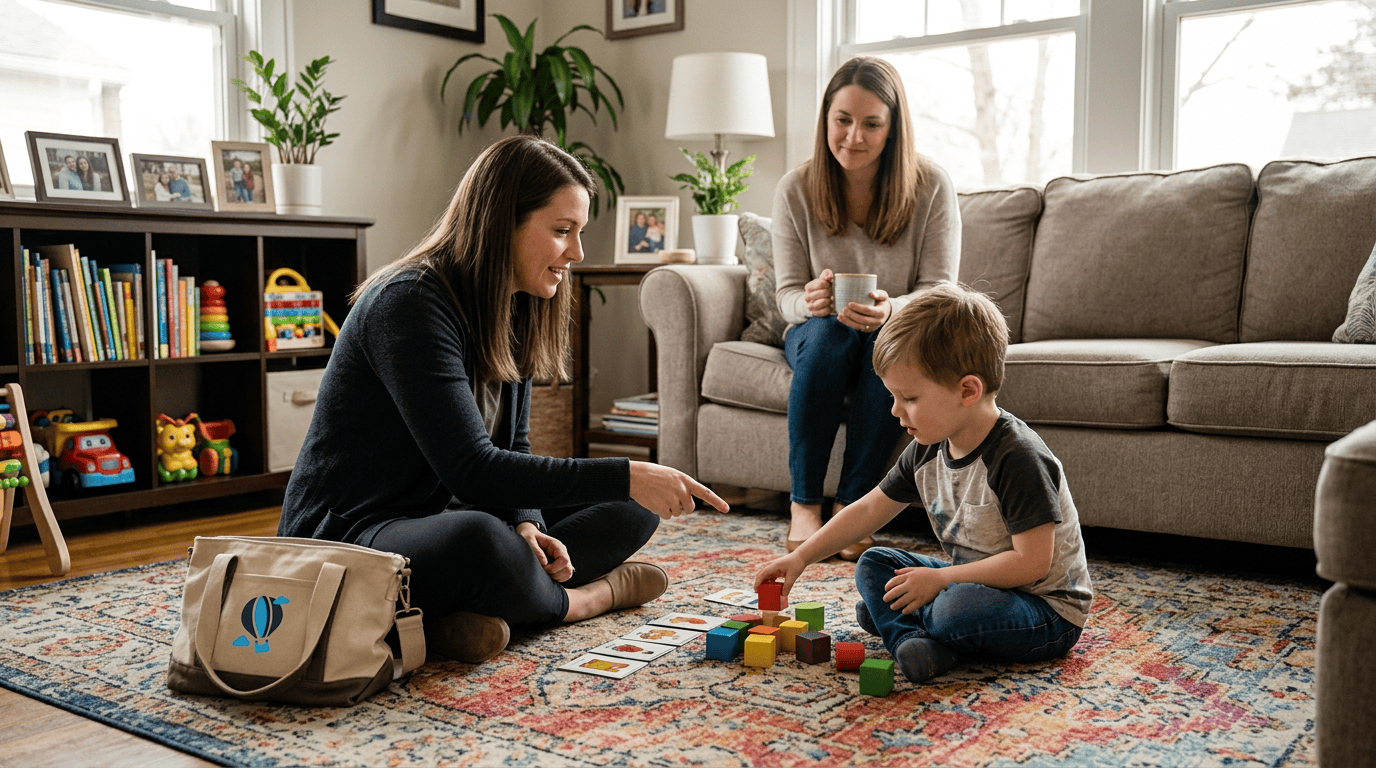
This involves a real person demonstrating the desired behavior in the child’s presence.
Examples:
- A therapist shows a child how to take turns in a conversation.
- A parent demonstrates how to tie shoelaces.
2. Video Modeling
Pre-recorded videos are used to showcase appropriate behaviors, allowing children to watch and learn at their own pace.
Examples:
- A video showing how to ask for help in a classroom.
- A clip demonstrating proper table manners.
3. Peer Modeling
Children learn by watching their peers engage in positive behaviors, making the experience more relatable.
Examples:
- A child watches a classmate raise their hand before speaking.
- A sibling demonstrates sharing toys appropriately.
4. Self-Modeling
A child watches a video of themselves successfully performing a behavior, reinforcing their ability to complete the task.
Examples:
- A video of the child successfully using a communication board.
- Footage of the child calmly following a morning routine.
Each of these methods can be adapted based on the child’s progress and needs, ensuring effective learning.
What Skills Can Be Taught Through Modeling in ABA?
Modeling in ABA therapy is a powerful tool for teaching a variety of skills. By watching and imitating others, children with autism can develop essential abilities that improve their independence, communication, and social interactions. Below are key skill areas that modeling helps reinforce.
1. Social Skills
Many children with autism struggle with understanding social norms and cues. Modeling teaches them how to interact appropriately by providing clear, visual examples of expected behaviors. They can learn how to greet others, take turns in conversation, and respond to facial expressions. Practicing these skills through modeling helps them gain confidence in social situations.
2. Communication Skills
Both verbal and non-verbal communication can be improved through modeling. Children can learn how to ask for help, use polite language, and express their needs clearly. Non-verbal communication, like maintaining eye contact, using gestures, or recognizing body language, can also be demonstrated effectively through modeling in ABA therapy.
3. Daily Living Skills
Basic self-care and household tasks are essential for independence. Modeling helps children learn how to brush their teeth, wash their hands, and get dressed. More complex routines, like making a sandwich or packing a backpack, can also be demonstrated in step-by-step sequences for better understanding.
4. Emotional Regulation
Managing emotions can be challenging for children with autism. Modeling can demonstrate coping strategies such as deep breathing, asking for a break, or using calming techniques when frustrated. By observing these behaviors, children can learn healthy ways to handle stress and frustration.
5. Play and Leisure Skills
Play is an important part of childhood development. Through modeling, children can learn how to engage in pretend play, follow game rules, and share toys with peers. Watching others play appropriately helps them understand structured activities and cooperative interactions.

How Can Parents Use Modeling at Home?
Parents play a critical role in reinforcing skills learned in ABA therapy. Here’s how you can use modeling at home to support your child’s development:
- Be a Role Model: Children watch and imitate what you do. Model positive behaviors consistently, such as using kind words, maintaining eye contact, and practicing patience.
- Use Video Modeling: Record short clips of yourself or other family members performing tasks like setting the table or making a request. Play these videos to reinforce learning.
- Practice With Siblings or Peers: Encourage your child to observe and imitate siblings or friends engaging in desired behaviors, such as sharing or taking turns.
- Provide Immediate Feedback: When your child attempts to imitate a modeled behavior, give praise and reinforcement immediately to encourage repetition.
- Repeat and Reinforce: Repetition is key in ABA. The more frequently a child observes and practices a behavior, the more likely they are to master it.
Partner with Ever Reach ABA
Understanding how modeling works in ABA therapy is crucial for helping children develop essential skills. By watching and imitating others, children with autism and developmental delays can learn social, communication, and daily living skills more effectively. Whether through live demonstrations, video modeling, or peer interactions, modeling provides a structured and engaging way to promote learning.
If you’re looking for expert ABA therapy services, Ever Reach ABA is here to help. Our experienced therapists use evidence-based techniques like modeling ABA to support children in achieving their full potential. We work closely with families to ensure lasting progress in real-world settings.
We proudly serve ABA therapy services in Utah, North Carolina and surrounding areas. Contact us today to learn how ABA therapy can make a meaningful difference in your child’s development!



 Website by
