

Navigating the teenage years can be a complex journey for any individual, but for those on the autism spectrum, this stage often comes with unique challenges. The teenage years with autism can be a period of both growth and struggle—for teens and their families alike. Understanding the distinct experiences of these adolescents and offering them the right kind of support is essential to help them thrive academically, socially, and emotionally.
Developmental Milestones in the Teenage Years
The transition from childhood to adulthood is marked by significant changes—emotionally, physically, and socially. Teenagers begin to form their identities, gain more independence, and explore relationships outside the family unit. For teens on the spectrum, however, these developmental milestones can present additional hurdles. These may include difficulties with communication, interpreting social cues, and adapting to changing routines or expectations.
Many parents and caregivers notice that during the teenage years with autism, their child may experience increased anxiety or emotional fluctuations. The growing pressure to fit in socially can be overwhelming. Academic expectations also rise, and changes in routine—like moving from middle school to high school—can become sources of stress.
Recognizing Strengths
Despite the challenges, teenagers on the spectrum often have strong, unique abilities that deserve recognition. These may include exceptional memory, deep focus on specific interests, and attention to detail. Understanding and nurturing these strengths can be crucial in helping teens build self-confidence during these formative years.
Parents and educators should encourage teenagers to pursue their interests. Hobbies and extracurricular activities can provide safe spaces for self-expression and social interaction, fostering both skill development and friendships.
The Role of ABA Therapy in Supporting Teenagers
Applied Behavior Analysis (ABA) therapy is a well-researched and effective method for helping individuals on the autism spectrum learn essential life skills and improve social interactions. For teenagers, ABA therapy can be tailored to address age-specific needs, such as managing peer relationships, building independence, and developing coping strategies for stress.
One of the most important aspects of ABA therapy for teens is its ability to provide structured support while promoting autonomy. Goals in ABA for teenagers often include:
- Developing effective communication strategies
- Learning appropriate social behaviors
- Enhancing academic and organizational skills
- Preparing for transitions such as entering college or the workforce
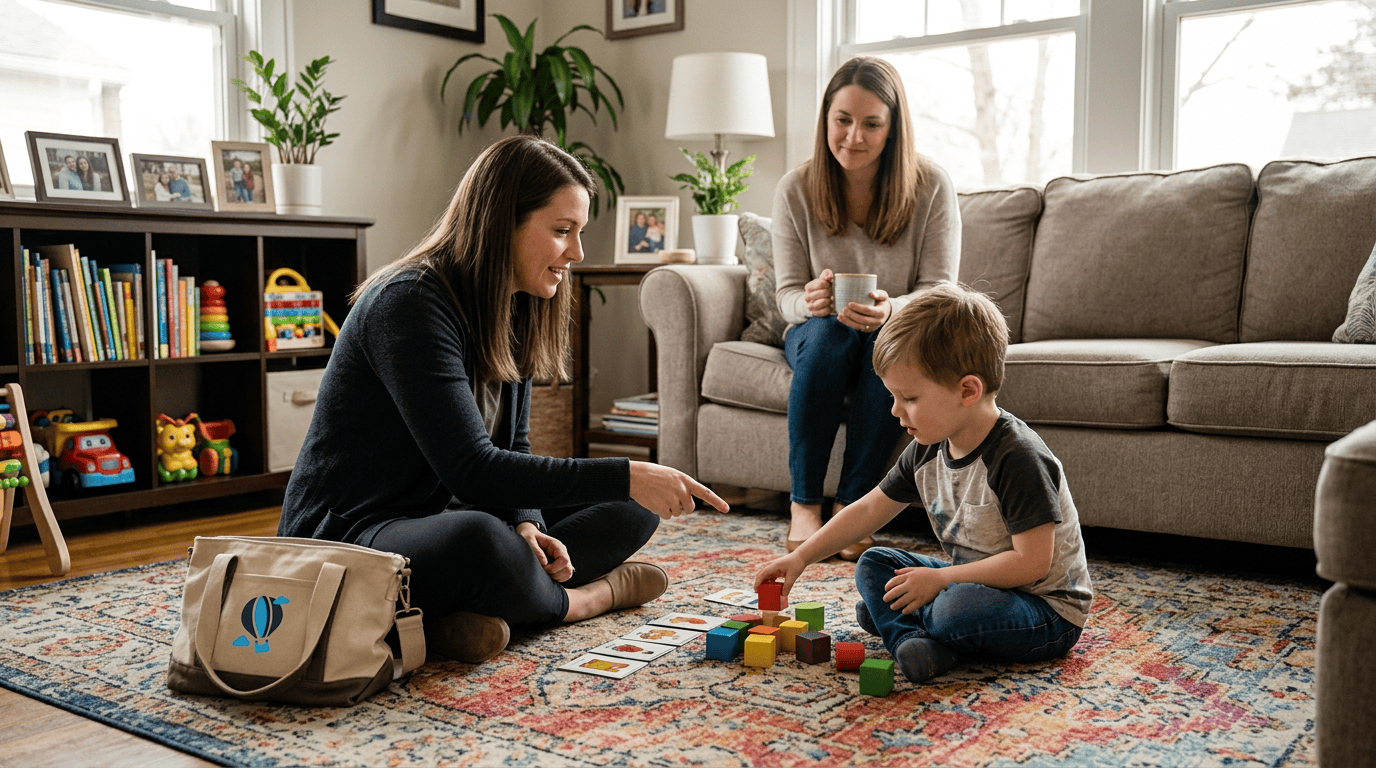
For families in Utah, access to home based ABA therapy Utah programs has become increasingly valuable. These services bring personalized support directly into the home, allowing teens to learn in a familiar and comfortable environment.
Benefits of In-Home ABA Therapy in Utah
In recent years, in-home ABA therapy Utah has grown in popularity due to its flexible and family-centered approach. Unlike clinic-based programs, in-home therapy allows for greater customization and consistency, helping teens incorporate learned behaviors into their everyday routines.
Some benefits of in-home ABA therapy Utah include:
- One-on-one attention in a familiar setting
- Improved generalization of skills across environments
- Opportunities for parents and siblings to participate and learn
- Flexibility in scheduling, which reduces stress for busy families
When searching for in-home ABA therapy near me, families often prioritize providers who specialize in adolescent care. Working with professionals experienced in teenage development ensures the therapy aligns with the changing needs of the individual as they mature.
Building Social Connections
Social relationships can be particularly challenging during the teenage years with autism. Peer acceptance, friendships, and group activities are central to adolescence, yet many teens struggle with initiating or maintaining social interactions.
Families and schools can support social development through:
- Structured social skills groups
- Peer mentoring programs
- Inclusive extracurricular activities
- Teaching teens to recognize and respond to social cues through modeling and role-play
Group-based ABA programs often include these components and help teens build confidence in navigating social settings.
Academic Support and School Transitions

School becomes a significant part of life during the teenage years. Many teens face increased academic pressure, changes in routine, and complex social dynamics. It’s essential that teens receive support from both special education services and general education teachers.
Educational strategies to support teens on the spectrum include:
- Individualized Education Programs (IEPs) with measurable goals
- Assistive technology to help with communication and organization
- Collaboration between ABA therapists and school personnel
- Adjustments to workload and testing conditions when needed
Parents can advocate for their teen’s needs by staying involved in school meetings, maintaining open communication with teachers, and ensuring accommodations are followed.
Emotional Health and Self-Esteem
Teenagers on the spectrum may experience heightened emotional challenges, such as anxiety, frustration, and feelings of isolation. Building a strong foundation of emotional well-being requires a team approach involving family members, therapists, educators, and sometimes mental health professionals.
Some strategies to promote emotional health include:
- Teaching teens how to identify and express their emotions
- Helping them develop coping mechanisms for stress
- Encouraging physical activities like sports, walking, or yoga
- Using positive reinforcement to build self-esteem
Support from peers who understand their experiences can also make a meaningful difference. Consider joining support groups or online communities tailored to teens and families navigating the teenage years with autism.
Preparing for Independence and Adulthood
As teens approach adulthood, the focus of support should shift toward fostering independence and preparing for life beyond high school. This includes learning practical life skills, vocational training, and exploring post-secondary education options.
ABA therapy continues to play a vital role at this stage by targeting:
- Self-care skills (e.g., hygiene, nutrition, money management)
- Job-readiness skills (e.g., resume writing, punctuality, following instructions)
- Decision-making and critical thinking
- Safety awareness in the community
Families can work with aba therapy near me providers who offer transition planning and career guidance as part of their programs.
Family Support and Parental Involvement
Supporting a teen through these years is a team effort. Parents play a critical role not just as caregivers but as advocates, educators, and emotional anchors. Maintaining strong communication and being actively involved in therapy and education planning is key.
At the same time, it’s important for parents to take care of their own well-being. Joining a parent support group or seeking professional counseling can provide valuable insights and reduce stress.
Community Resources and Advocacy
Accessing local resources can significantly improve the quality of life for families and teens. In Utah, there are many organizations dedicated to supporting adolescents and families through the transition to adulthood. This includes:
- Local chapters of national autism advocacy groups
- Vocational training centers
- Teen clubs and mentorship programs
- Respite care services for families
For those searching for aba therapy near me or local behavioral health services, many directories and support networks offer up-to-date listings of professionals experienced in working with teenagers.
Conclusion
The teenage years with autism represent a time of transformation filled with both promise and complexity. By understanding the unique experiences of these teens and providing consistent support through strategies like ABA therapy, families and professionals can empower them to navigate adolescence with resilience and confidence.
Whether through home based ABA therapy Utah, in-home ABA therapy Utah, or connecting with nearby services using queries like in-home ABA therapy near me or ABA therapy near me, it’s clear that tailored, compassionate support makes a significant difference.
With the right tools, advocacy, and mindset, teens on the spectrum can flourish—finding their voice, building meaningful relationships, and stepping into adulthood prepared for success.
At Ever Reach ABA, we tailor therapy to give children with autism the tools for lifelong achievement. Our focus is on people, not just data points. We nurture an environment where families and staff communicate openly and feel heard. Real growth happens when we move forward together.
FAQs
What are common challenges faced during the teenage years with autism?
Teens on the spectrum may face difficulties with communication, social interactions, managing emotions, and adjusting to new routines. These challenges can become more pronounced during adolescence, as peer pressure, school transitions, and increasing independence come into play.
How can ABA therapy support teens during adolescence?
ABA therapy helps teens develop essential life skills, improve communication, and manage behavioral challenges. It is especially effective during the teenage years, offering structured interventions tailored to each teen’s unique developmental needs.
What is the benefit of choosing home based ABA therapy in Utah?
Home based ABA therapy Utah allows teens to receive individualized support in a familiar environment. This approach encourages better skill generalization and provides flexibility for families with busy schedules.
Is in-home ABA therapy Utah different from clinic-based services?
Yes, in-home ABA therapy Utah is delivered directly in the teen’s home, allowing therapists to address real-life situations in real time. This model supports stronger family involvement and often leads to more consistent progress in daily routines.
How do I find in-home ABA therapy near me that works with teenagers?
Look for providers who specialize in adolescent support and have experience addressing the developmental needs specific to the teenage years with autism. You can search for in-home ABA therapy near me or use local provider directories and autism support networks for recommendations.
What are effective strategies to help teens build social skills?
Structured social skills groups, peer mentoring, and community activities are excellent ways to help teens build social confidence. ABA therapists often incorporate these skills into sessions through role-playing and direct teaching methods.
Can ABA therapy help prepare teens for adulthood?
Absolutely. ABA therapy can include training in self-care, time management, job readiness, and community safety—skills critical for independence. Programs are often adapted to help teens prepare for life after high school.
How can I support my teen emotionally during the transition to adulthood?
Encourage open communication, validate their feelings, and help them build healthy coping strategies. Participating in therapy, being actively involved in goal-setting, and seeking support from professionals are essential steps for emotional support during the teenage years with autism.





 Website by
