

As a parent, you want to give your child every opportunity to learn, grow, and gain independence. For children with autism or developmental delays, Applied Behavior Analysis (ABA) therapy is a proven way to support skill development. But the learning doesn’t stop when therapy sessions end.
Many parents wonder: what strategies can I use at home to reinforce learning? Specifically, which works better: visual supports or verbal prompts?
Both tools are widely used in ABA, but understanding their differences, benefits, and practical applications can help you make informed choices that suit your child’s unique needs.
Understanding Prompts and Supports
In ABA, prompts and supports are ways to guide children to complete a task, learn a skill, or display a desired behavior.
- Verbal prompts are spoken instructions or cues. They might be direct commands, partial instructions, or questions designed to guide a child through a task. For example, saying, “Put on your shoes,” or asking, “What’s the next step?” can help a child follow a routine.
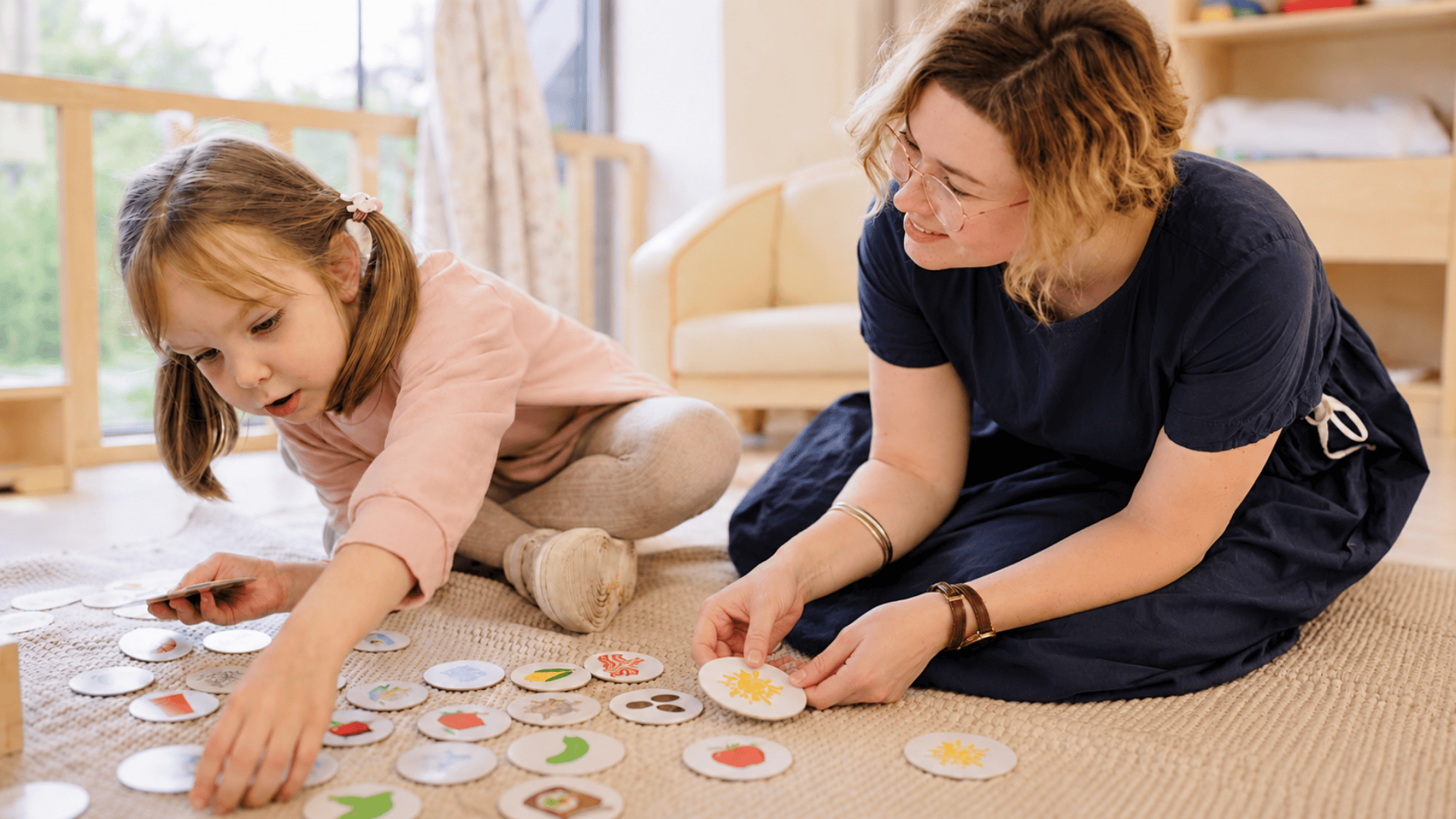
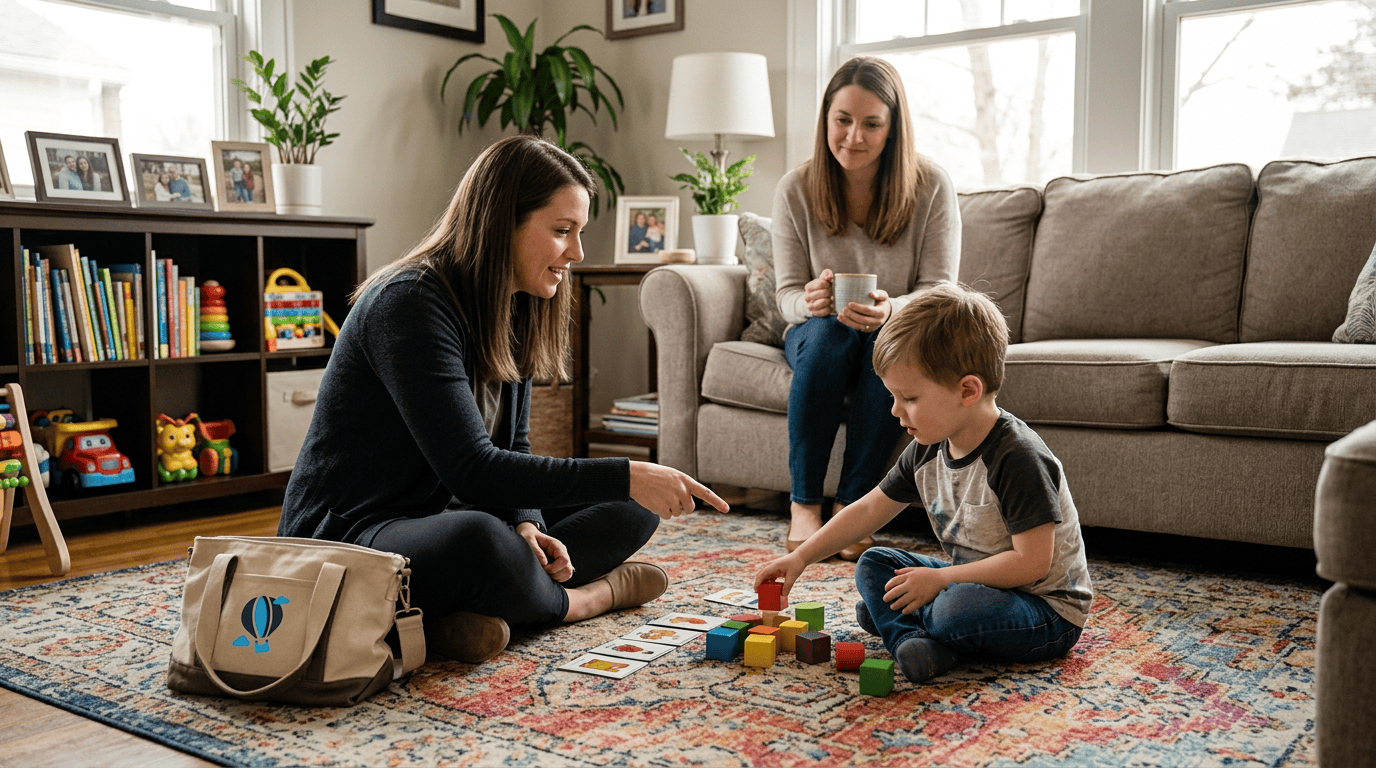
- Visual supports use pictures, symbols, or written cues to communicate expectations. Examples include picture schedules, social stories, labeled objects, and visual task cards. These tools provide a concrete reference for children, helping them understand what is expected without relying solely on verbal instructions.
The goal of both is the same: helping children succeed while building independence. However, the best choice often depends on the child’s learning style, language skills, and the task at hand.
How Visual Supports Work at Home
Visual supports are especially helpful for children who are visual learners or have limited verbal comprehension. They make expectations clear, predictable, and easy to follow. Common visual supports include:
- Picture schedules: Step-by-step visual schedules showing a morning routine or bedtime tasks.
- Task cards: Visual instructions for a multi-step activity, like making a sandwich or cleaning up toys.
- Social stories: Illustrated stories that model appropriate social behavior.
- Labeled objects or areas: Helps children understand organization and routines (e.g., “toys,” “books,” “clothes”).
Benefits of visual supports:
- Reduce the need for repeated verbal instructions.
- Provide consistency across different settings.
- Support independence, as children can follow visual cues on their own.
- Decrease frustration when a child struggles to understand verbal instructions.
How Verbal Prompts Work at Home
Verbal prompts are flexible and encourage language development. They are most effective when used in ways that are clear, concise, and appropriate for your child’s comprehension level. Types of verbal prompts include:
- Direct instructions: Simple statements that tell the child what to do, like “Pick up the red block.”
- Partial prompts: Provide part of the instruction, such as “First, put on…” leaving the child to complete the task.
- Question prompts: Encourage problem-solving and independence, e.g., “What comes next?”
Benefits of verbal prompts:
- Help develop receptive and expressive language skills.
- Can be adapted quickly to changing situations or tasks.
- Encourage interaction and communication between parent and child.
- Allow for immediate reinforcement of desired behaviors.
Comparing the Effectiveness of Both Verbal Prompts and Visual Schedules
Choosing between visual supports and verbal prompts depends on the child, the task, and the environment. Here’s a simple comparison:
Visual supports may work better when:
- A child is a visual learner.
- Tasks are routine or repetitive.
- The child has limited verbal skills.
- Consistency is needed across home, school, and therapy settings.
Verbal prompts may work better when:
- Tasks require flexible thinking or problem-solving.
- The child has stronger verbal comprehension.
- Visual supports are impractical, such as during spontaneous outdoor activities.
Conclusion
Visual supports and verbal prompts are both powerful tools for supporting children at home. Visual supports provide clarity, structure, and independence, while verbal prompts encourage communication, adaptability, and problem-solving skills. There isn’t a one-size-fits-all solution; effectiveness depends on your child’s learning style, developmental level, and the tasks at hand.By understanding the strengths of each method and using them thoughtfully, parents can create a home environment that reinforces ABA therapy in Utah, promotes independence, and helps children develop essential skills for life. Small, consistent strategies can make a big difference, turning daily routines into meaningful learning opportunities.




 Website by
