

Navigating the world of autism therapy can feel overwhelming for many parents. If your child has been recommended for Applied Behavior Analysis (ABA) therapy, you may be wondering what it involves, how it works, and what progress to expect. ABA therapy is an evidence-based approach designed to help children with autism develop communication, social, and daily living skills while reducing challenging behaviors.
At EverReach ABA, we work with families in Utah to provide personalized ABA programs that support children’s growth and independence. Here’s a comprehensive guide on what parents can expect from ABA therapy.
Understanding ABA Therapy
Applied Behavior Analysis (ABA) therapy focuses on observing behavior, understanding its function, and teaching new skills through structured interventions. The goals of ABA include:
- Improving communication and language skills.
- Developing social skills for interactions with peers and adults.
- Teaching daily living skills, like dressing, feeding, and hygiene.
- Reducing challenging behaviors by teaching appropriate alternatives.
ABA therapy in Utah is highly individualized. Every child’s program is designed to address their specific strengths, challenges, and developmental goals, ensuring a personalized path toward success.
How ABA Therapy Is Initiated
Before therapy begins, your child will undergo a comprehensive assessment to evaluate their current abilities, challenges, and goals. This assessment forms the foundation for an Individualized Treatment Plan (ITP), which outlines:
- Target skills to develop
- Strategies and teaching methods
- Measurable goals and benchmarks
Parents are involved in this process from the start. By collaborating with therapists, families ensure that goals are realistic, meaningful, and aligned with the child’s needs and daily life.
What a Typical ABA Therapy Session Looks Like
ABA sessions are structured yet flexible to accommodate each child’s learning style:
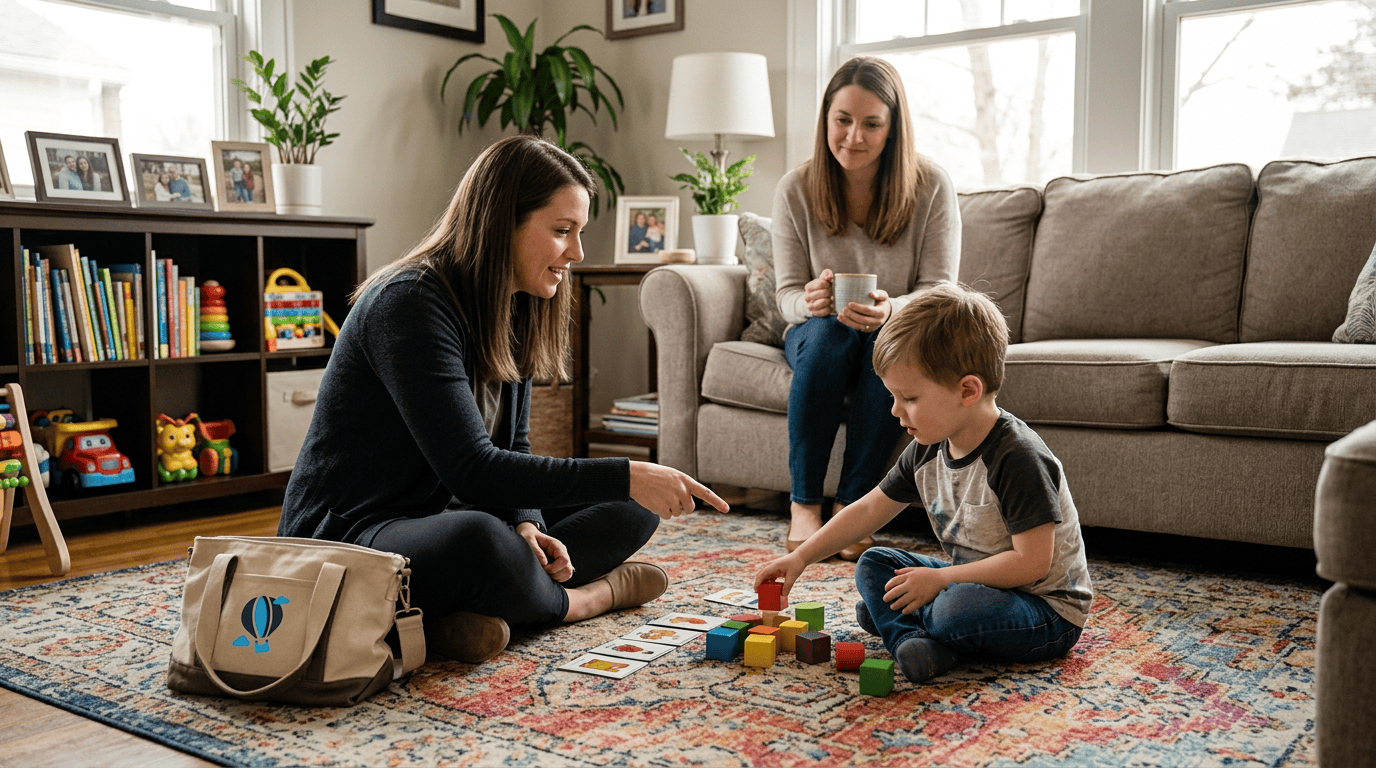
- Structured Learning Activities: Children work one-on-one with a therapist on specific skills using step-by-step instruction.
- Data Collection: Therapists collect data on skill acquisition and behaviors during each session, allowing strategies to be adjusted as needed.
- Variety of Settings: Sessions may occur at home, in school, or in a clinic, depending on the child’s goals and comfort level.
- Flexible Approach: Activities and reinforcement are tailored to keep the child engaged and motivated.
Skills That ABA Therapy Targets
ABA therapy helps children develop essential skills across multiple areas:
- Communication Skills: Learning to ask for help, express needs, and engage in conversations using verbal or non-verbal methods.
- Social Skills: Practicing greetings, turn-taking, sharing, and participating in group activities.
- Daily Living Skills: Building independence in dressing, feeding, personal hygiene, and household routines.
- Behavior Management: Identifying triggers, teaching coping strategies, and reducing undesired behaviors through reinforcement of positive alternatives.
By targeting these areas, ABA therapy helps children gain independence, confidence, and the ability to navigate everyday situations successfully.
Parent Involvement in ABA Therapy
Parents are essential partners in ABA therapy. In addition to attending sessions when possible, families are encouraged to:
- Participate in parent training to learn how to reinforce ABA strategies at home.
- Maintain consistency between therapy and daily routines.
- Communicate regularly with therapists to monitor progress and make adjustments.
Parent involvement ensures that children can generalize skills beyond therapy, applying them in school, community settings, and daily life.
Measuring Progress
ABA therapy relies on careful data tracking to monitor skill development and behavioral improvements. Parents can expect:
- Regular updates on milestones and progress toward goals.
- Adjustments to the treatment plan based on observed results.
- Emphasis on small, meaningful improvements rather than expecting instant perfection.
Celebrating each success, no matter how small, encourages continued learning and fosters motivation for the child.
Setting Expectations for the Journey
ABA therapy is a long-term process that requires consistency, patience, and dedication. Progress varies for each child, and the journey is unique. Parents should expect:
- Gradual, steady improvements in communication, social skills, and independence.
- Challenges along the way, which are normal and expected.
- The need for collaboration between therapists, parents, and other caregivers to maximize outcomes.
Success in ABA is measured by meaningful growth, improved daily functioning, and the child’s increased confidence and independence.
Conclusion
Utah ABA therapy is a personalized, data-driven approach that equips children with the skills they need to thrive. By understanding what to expect, parents can feel confident in supporting their child, participating in therapy, and celebrating milestones along the way.
If you’re a parent in Utah looking to support your child’s growth through ABA therapy, EverReach ABA is here to guide you. Contact us today to learn how our programs can help your child develop essential skills, build independence, and achieve success.





 Website by
