

Applied Behavior Analysis (ABA) therapy is a widely recognized approach for supporting children with autism spectrum disorder (ASD) and other Applied Behavior Analysis (ABA) therapy has long been recognized as an effective approach for helping children with autism develop essential social, communication, and daily living skills.
While traditional ABA therapy often centers on the child and therapist, family-centered ABA takes a broader approach by actively involving parents, siblings, and caregivers in the therapy process.
For families in Provo, Utah, this approach can be especially impactful. It can create a supportive environment where children can thrive, caregivers feel empowered, and skills learned in therapy transfer seamlessly into everyday life.
What is Family-Centered ABA Therapy?
Family-centered ABA therapy is a model of behavioral intervention that emphasizes collaboration between therapists and the child’s family.
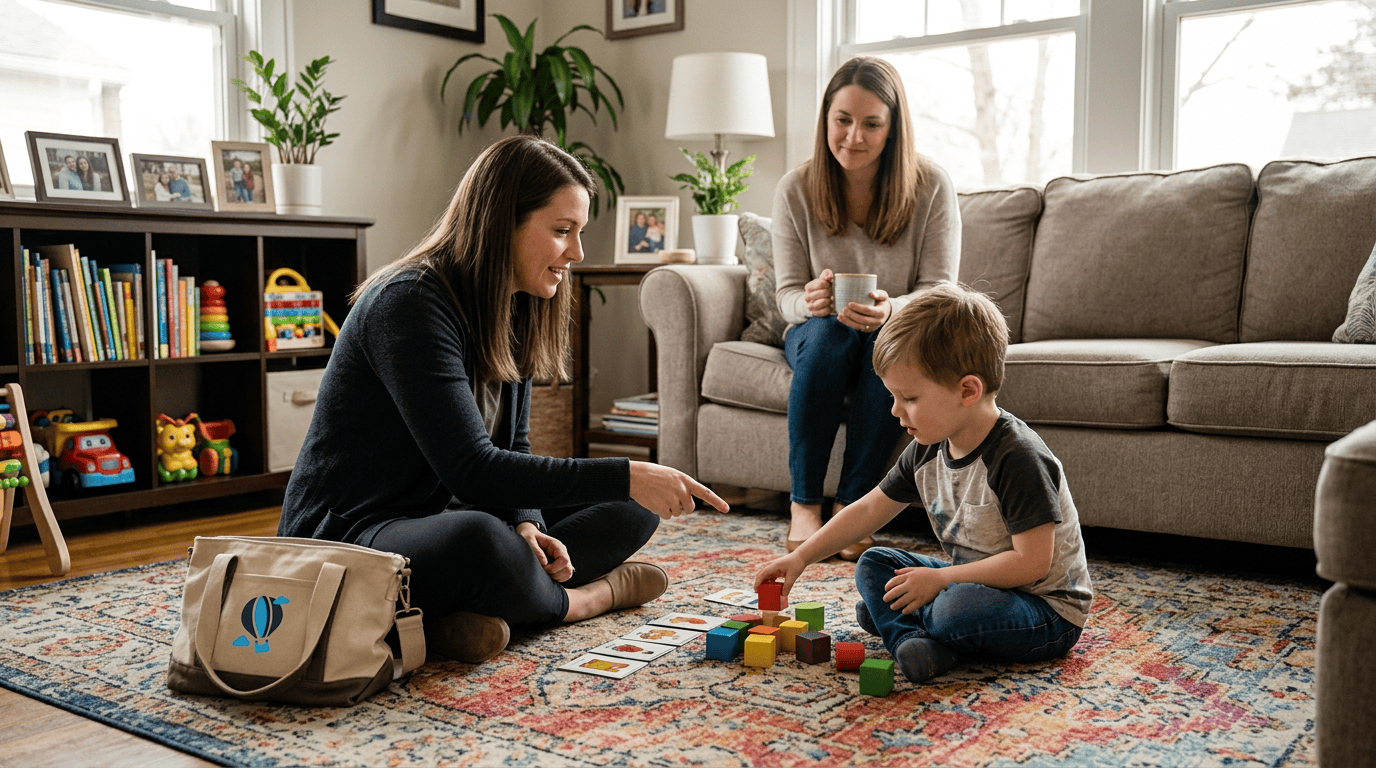
Unlike traditional ABA, where therapists primarily lead sessions, family-centered ABA actively includes parents and caregivers in both the planning and implementation of therapy goals. This involvement ensures that strategies are consistent across all settings, not just within the clinic or therapy center.
Key components of family-centered ABA include:
- Parental Involvement in Sessions: Parents are not passive observers. They learn techniques to reinforce positive behaviors and skill development at home.
- Collaboration Between Therapists and Family: ABA therapists work closely with families to identify goals, track progress, and adjust strategies as needed.
- Generalization of Skills: Children practice skills in their natural environments, ensuring that communication, social, and daily living skills translate from therapy sessions to real-life situations.
By creating a bridge between therapy and home life, family-centered ABA fosters consistency, which is essential for children with autism to develop lasting skills.
Benefits for Children
Children benefit significantly from a family-centered approach because learning extends beyond therapy sessions and becomes part of their everyday lives. Some of the key benefits include:
- Faster Skill Acquisition: With parents actively reinforcing strategies at home, children receive more frequent and consistent learning opportunities.
- Improved Social and Communication Skills: Family involvement encourages natural interactions and practice, which are crucial for mastering social skills.
- Reduced Challenging Behaviors: By collaborating with caregivers, therapists can identify triggers and teach replacement behaviors that work within the child’s home environment.
Additional advantages include:
- Individualized Support at Home: Each child’s therapy plan is tailored to their unique needs and family routines.
- Continuity Between Sessions and Daily Life: Children are able to practice newly learned skills in real-world situations, such as during family meals, playtime, or school activities.
- Increased Confidence and Independence: Children gain a sense of accomplishment as they succeed both in therapy and at home.
This holistic approach ensures that children not only learn skills but also learn how to use them in meaningful ways that improve their overall quality of life.
Benefits for Families in Provo
Family-centered ABA therapy is particularly well-suited for Provo households because of the city’s strong family-oriented culture and close-knit communities. Parents often play an active role in their children’s lives, making them ideal partners in the therapy process. Involving families in ABA not only supports the child but also strengthens family bonds.
Some of the key benefits for families include:
- Active Role in Child’s Progress: Parents gain hands-on experience and confidence in guiding their child’s development.
- Better Understanding of Developmental Milestones: Family-centered therapy educates caregivers on typical and atypical developmental patterns, helping them recognize progress and address challenges early.
- Improved Parent-Child Communication: Learning strategies for reinforcement, modeling, and positive interaction helps families connect more effectively.
In Provo, many families also benefit from the flexibility and accessibility of family-centered ABA services. Therapists often work around busy schedules, helping parents integrate learning opportunities into daily routines without disrupting family life.
This local focus makes ABA therapy a practical, sustainable option for households seeking to balance therapy with other commitments.
How Family-Centered ABA Therapy is Implemented
Implementing family-centered ABA therapy involves more than just attending sessions. It requires a collaborative partnership between the therapist and the family. Practical strategies include:
- Parent Training and Coaching: Parents learn evidence-based techniques for promoting positive behaviors and reinforcing new skills at home.
- Collaborative Goal Setting: Families and therapists work together to define achievable, meaningful goals that fit the child’s daily life.
- Use of Everyday Routines: Therapy is integrated into natural activities such as mealtime, playtime, and community outings, ensuring that skills are practiced in context.
Provo ABA therapists often tailor their approaches to accommodate families’ schedules, resources, and cultural values. By making therapy accessible and personalized, children can practice skills consistently while parents feel supported and confident in their role.
Why Family-Centered ABA Works for Provo Households
Family-centered ABA therapy works well in Provo because it aligns with the city’s values of community, family involvement, and active engagement in children’s growth. By fostering collaboration between therapists and families, children receive consistent support across multiple settings, parents feel empowered, and families as a whole experience stronger communication and connection.
This approach also emphasizes sustainability. Skills learned in therapy are reinforced at home, creating a continuous cycle of learning that doesn’t stop when therapy ends. Children benefit from the consistency, families gain practical tools for everyday life, and the entire household experiences a more supportive, structured environment.
Conclusion
Family-centered ABA therapy in Provo offers a unique combination of professional guidance and active family involvement, making it an ideal choice for households. Children gain essential skills in communication, social interaction, and daily living, while families feel empowered and capable of supporting their child’s development. By bridging the gap between therapy sessions and real-life routines, family-centered ABA creates a lasting impact that benefits the entire household.For families in Provo looking to help their children thrive, EverReach ABA provides the structure, support, and collaboration needed to turn learning into lasting progress.





 Website by
