

Applied Behavior Analysis (ABA) therapy has become a cornerstone in supporting children with autism and other developmental challenges. For families in West Valley City, bringing therapy into the home creates a comfortable, supportive environment where children can thrive, and parents can play an active role in their child’s development.
In this article, we explore the key benefits of in-home ABA therapy and why it may be the ideal option for families seeking personalized, effective support.
Personalized, One-on-One Therapy in the Comfort of Home
One of the biggest advantages of in-home ABA therapy is personalization. Every child’s needs are unique, and in-home therapy allows a trained ABA therapist in West Valley to tailor sessions specifically to the child’s developmental goals, learning style, and personality.
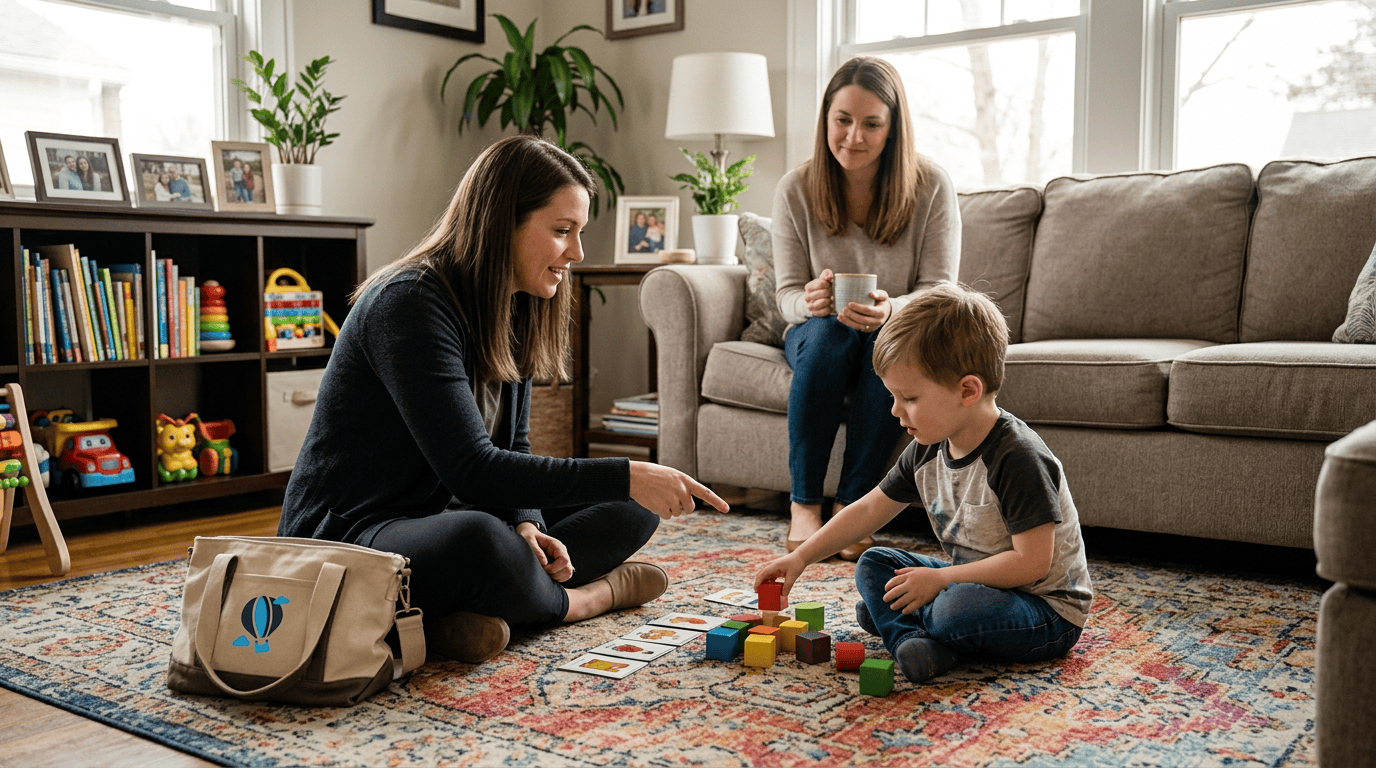
ABA therapy in a familiar environment reduces stress and anxiety, helping children feel safe and more receptive to learning. This setting allows therapists to incorporate real-life routines into the sessions. For example, children can practice dressing, brushing their teeth, or mealtime skills in the place where these activities actually occur, making learning more relevant and meaningful.
Benefits of personalized in-home therapy include:
- Tailored learning environment that meets the child’s specific needs
- Reduced anxiety and distractions compared to clinic settings
- Natural opportunities for practicing skills within daily routines
Strengthened Family Involvement and Collaboration
In-home ABA therapy also encourages active family participation, which is a critical component of successful intervention. Parents have the opportunity to observe sessions, ask questions, and learn ABA techniques that they can reinforce outside of formal therapy. This hands-on approach empowers families to support their child’s growth on a daily basis.
Siblings and other family members can also benefit from exposure to ABA strategies. For example, siblings may learn positive communication techniques or ways to encourage appropriate social interactions, fostering a supportive family environment.
Key ways families benefit from in-home ABA involvement include:
- Parent coaching and training to reinforce skills consistently
- Improved consistency in behavior management at home
- Family-centered approach that strengthens relationships
When families actively participate in ABA therapy, children receive more consistent reinforcement of skills, which enhances learning outcomes and supports overall development.
Greater Flexibility and Convenience
For many families, the logistics of traveling to a clinic multiple times per week can be a significant challenge. In-home ABA therapy eliminates the need for travel, making it easier to schedule sessions around work, school, and other commitments.
This flexibility is especially beneficial for children who may struggle with transitions or feel anxious in unfamiliar environments. In-home therapy allows children to engage in learning without leaving their comfort zone, reducing stress for both the child and their caregivers.
Practical Skill Development and Generalization
A major goal of ABA therapy is helping children develop functional skills they can use in everyday life. In-home therapy provides the perfect setting to practice these skills in context. Children can learn communication, social, and daily living skills directly in the environments where they are needed.
For instance, a child can practice ordering food at a local café, following safety rules at home, or sharing toys with siblings, all under the guidance of a trained therapist. Learning in real-world contexts helps children generalize these skills, making them more likely to use them independently across different situations.
Examples of real-life skill development include:
- Practicing self-care routines like dressing and hygiene
- Building communication and social skills with family members
- Applying problem-solving and safety skills in everyday scenarios
Positive Behavioral Outcomes and Support
In-home ABA therapy provides consistent support for managing challenging behaviors. Therapists can observe and address behaviors as they occur, providing immediate guidance and reinforcement. This targeted approach helps children learn appropriate ways to express needs and navigate social situations.
Positive reinforcement strategies used in ABA therapy encourage desirable behaviors while reducing disruptive or unsafe behaviors. Because therapy occurs in the home, parents can observe these techniques in action and continue implementing them between sessions, creating a seamless support system.
Conclusion
In-home ABA therapy offers numerous benefits for families in West Valley City. From personalized, one-on-one learning and strengthened family involvement to flexible scheduling, real-life skill development, and positive behavioral support, this approach makes therapy accessible, practical, and highly effective.
Families who choose in-home ABA therapy can experience the peace of mind that comes with knowing their child is learning in a safe, supportive environment while gaining skills that truly matter for daily life. If you are looking to support your child’s development and create a strong foundation for future success, in-home ABA therapy may be the ideal solution.Reach out to EverReach ABA today to explore how in-home therapy can benefit your family and help your child thrive in West Valley City.





 Website by
