

Parenting is a journey filled with love, learning, and resilience. For parents of children with autism, this journey can also include unique challenges that require extra patience, energy, and dedication. While most parents prioritize their child’s progress and well-being, many overlook their own health and needs. Yet, self-care is not selfish—it’s essential. When parents invest in their physical, mental, and emotional health, they create a more supportive environment for their child’s growth.
In this article, we’ll explore practical self-care strategies for parents of children with autism, explain why your well-being matters just as much as your child’s, and highlight how professional supports like applied behavior analysis, early autism intervention near me, and in home ABA therapy Utah can help ease the journey.
Why Self-Care Matters for Parents of Children With Autism
Parenting requires immense energy. The day-to-day responsibilities of coordinating therapies, advocating for services, managing routines, and supporting developmental goals can sometimes feel overwhelming. Without intentional self-care, stress can build up and affect not only your health but also your ability to provide the best support for your child.
Here are a few reasons why self-care is vital:
- Prevents burnout – Constant caregiving without breaks can lead to physical and emotional exhaustion.
- Improves patience – A well-rested and emotionally balanced parent is more resilient and able to handle challenges calmly.
- Strengthens family bonds – When parents prioritize well-being, they model healthy habits for the entire family.
- Enhances advocacy skills – Parents who feel strong and centered are better prepared to collaborate with therapists, educators, and a BCBA.
Prioritize Your Physical Health
Your body is the foundation of your caregiving role. Parents often put their child’s appointments, meals, and schedules before their own, but neglecting your physical health can quickly deplete your energy.
- Nutrition matters – Balanced meals fuel your stamina. Preparing healthy snacks in advance can save time during busy days.
- Exercise regularly – Even 20 minutes of walking, yoga, or stretching helps reduce stress hormones and boosts mood.
- Sleep as a priority – Lack of rest affects patience and decision-making. Establishing a sleep routine for both you and your child benefits everyone in the household.
Think of physical health as a non-negotiable part of your caregiving toolkit.
Build Emotional Resilience
Emotional well-being is just as important as physical health. Parents of children with autism often navigate moments of uncertainty, societal pressures, and complex emotions. Here are some strategies:
- Seek professional support – Talking with a therapist can provide perspective and coping strategies.
- Connect with other parents – Support groups allow you to share experiences and learn from others facing similar challenges.
- Celebrate small wins – Recognizing your child’s progress, whether through applied behavior analysis or other therapies, can bring joy and motivation.
Emotional resilience comes from balancing acceptance, patience, and the ability to recharge when needed.
Embrace Practical Supports
No parent should navigate this journey alone. Professional supports like in home ABA therapy in Utah and early intervention services provide not only structured learning opportunities for your child but also relief for parents.
- Applied Behavior Analysis (ABA) – This evidence-based approach helps children develop communication, social, and daily living skills. Collaborating with a BCBA ensures programs are customized to your child’s needs.
- Early autism intervention near me – The earlier services begin, the more opportunities your child has for long-term success. Parents benefit by gaining tools and strategies to implement at home.
- Respite care – Short breaks from caregiving allow parents to rest, recharge, or simply enjoy time with other family members.
Leaning on these supports strengthens the family unit and lightens the daily load.
Manage Stress with Mindful Practices
Stress is unavoidable, but how you manage it makes the difference. Simple mindfulness techniques can create calm moments in even the busiest days.
- Deep breathing – Taking a few minutes to breathe slowly reduces anxiety and clears your mind.
- Mindful breaks – Pause with a cup of tea, a short walk, or a few minutes outdoors.
- Gratitude journaling – Writing down three positive moments each day helps shift focus toward joy instead of challenges.
These practices build inner peace and restore balance.
Strengthen Your Support Network
A strong network makes the journey easier. Surround yourself with people and resources that uplift you.
- Family and friends – Don’t hesitate to ask for help with errands, babysitting, or meal prep.
- Parent communities – Local organizations and online groups provide emotional connection and practical advice.
- Professional partnerships – Collaborate closely with your child’s therapists, teachers, and a BCBA. Their insights can also help reduce stress at home.
Building a support network ensures you’re never navigating challenges alone.
Create Personal Time Without Guilt
Parents sometimes feel guilty taking time for themselves. However, recharging allows you to be more present and patient with your child.
- Schedule “me time” – Block off time weekly for hobbies, reading, or exercise.
- Date nights – Spending quality time with your partner strengthens your relationship and benefits the family.
- Solo activities – A simple coffee break or walk can feel restorative.
Personal time isn’t selfish—it’s essential to long-term caregiving.

Balance Advocacy and Self-Care
Parents of children with autism often serve as advocates in school meetings, therapy sessions, and medical appointments. While advocacy is important, it can also be emotionally draining. Balancing it with self-care prevents burnout.
- Prepare ahead – Organize questions for professionals like a BCBA to maximize meetings.
- Set realistic expectations – Understand that progress may be gradual, and that’s okay.
- Celebrate your advocacy wins – Each time you secure support or see progress, take pride in your effort.
Balancing advocacy and well-being ensures sustainability.
Focus on Joyful Moments
Amid responsibilities, don’t forget to enjoy life with your child. Building happy memories fosters resilience for the whole family.
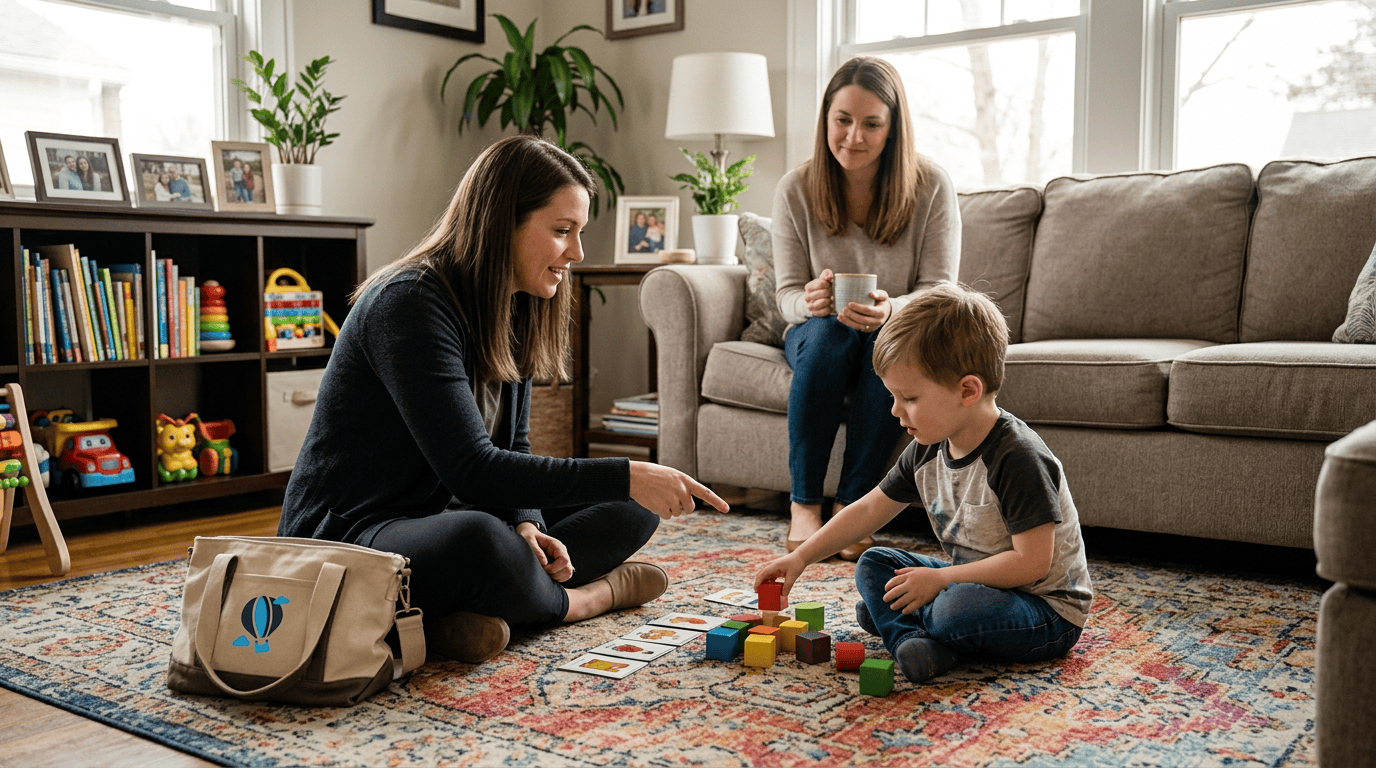
- Engage in play – Whether it’s building with blocks, painting, or enjoying outdoor games, shared activities create lasting bonds.
- Family traditions – Establish simple rituals, like weekly movie nights or special meals, to celebrate togetherness.
- Capture progress – Document milestones to remind yourself of the journey’s successes.
Joy doesn’t erase challenges, but it brings balance to your parenting experience.
Conclusion: Caring for Yourself Helps You Care for Your Child
Parenting children with autism is a unique and rewarding journey, filled with moments of growth, love, and perseverance. While the focus often remains on therapies like applied behavior analysis, early intervention, and in home ABA therapy in Utah, your well-being matters just as much.
By prioritizing self-care—whether through exercise, mindfulness, support networks, or professional services—you ensure that you are strong, resilient, and capable of being the parent your child needs. Remember, when you thrive, your child thrives too.
At EverReach ABA, we understand the importance of supporting not only children but also the families who walk this path with them. Our personalized approach ensures that both children and parents feel empowered, heard, and supported every step of the way.
FAQs
Why is self-care important for parents of children with autism?
Self-care allows parents to recharge physically and emotionally, which helps prevent burnout. When parents feel balanced, they can provide better support, patience, and consistency for their children with autism.
How can applied behavior analysis support parents’ well-being?
Applied behavior analysis not only helps children with autism build important skills but also gives parents practical strategies to use at home. By working with a BCBA, parents gain guidance, reducing stress and making everyday routines easier.
What role does early autism intervention near me play in easing family stress?
Accessing early autism intervention near me ensures children get timely support. This early start often leads to smoother routines and faster progress, which lowers stress for parents and helps them feel more confident.
Can in home ABA therapy in Utah help families with self-care?
Yes. In home ABA therapy in Utah allows therapy to fit naturally into the family’s schedule, saving parents time and energy. It also provides parents with tools they can use throughout the day, making caregiving more manageable.
How can parents of children with autism find balance between advocacy and self-care?
Parents should set realistic goals, prepare for meetings with professionals like a BCBA, and allow themselves breaks. Balancing advocacy with personal downtime ensures long-term resilience and prevents exhaustion.
What are some simple daily self-care practices for parents of children with autism?
Simple self-care practices include taking short walks, practicing deep breathing, journaling, or enjoying a quiet cup of coffee. These small breaks help parents stay refreshed and better able to support their children with autism.
How does working with a BCBA benefit both parents and children?
A BCBA designs and oversees applied behavior analysis programs tailored to each child’s needs. They also guide parents on effective strategies, easing daily challenges and reducing stress at home.
Can self-care improve the relationship between parents and children with autism?
Yes. When parents feel rested and emotionally balanced, they can engage more positively and patiently with their children with autism. This leads to stronger connections, healthier routines, and more enjoyable family time.





 Website by
